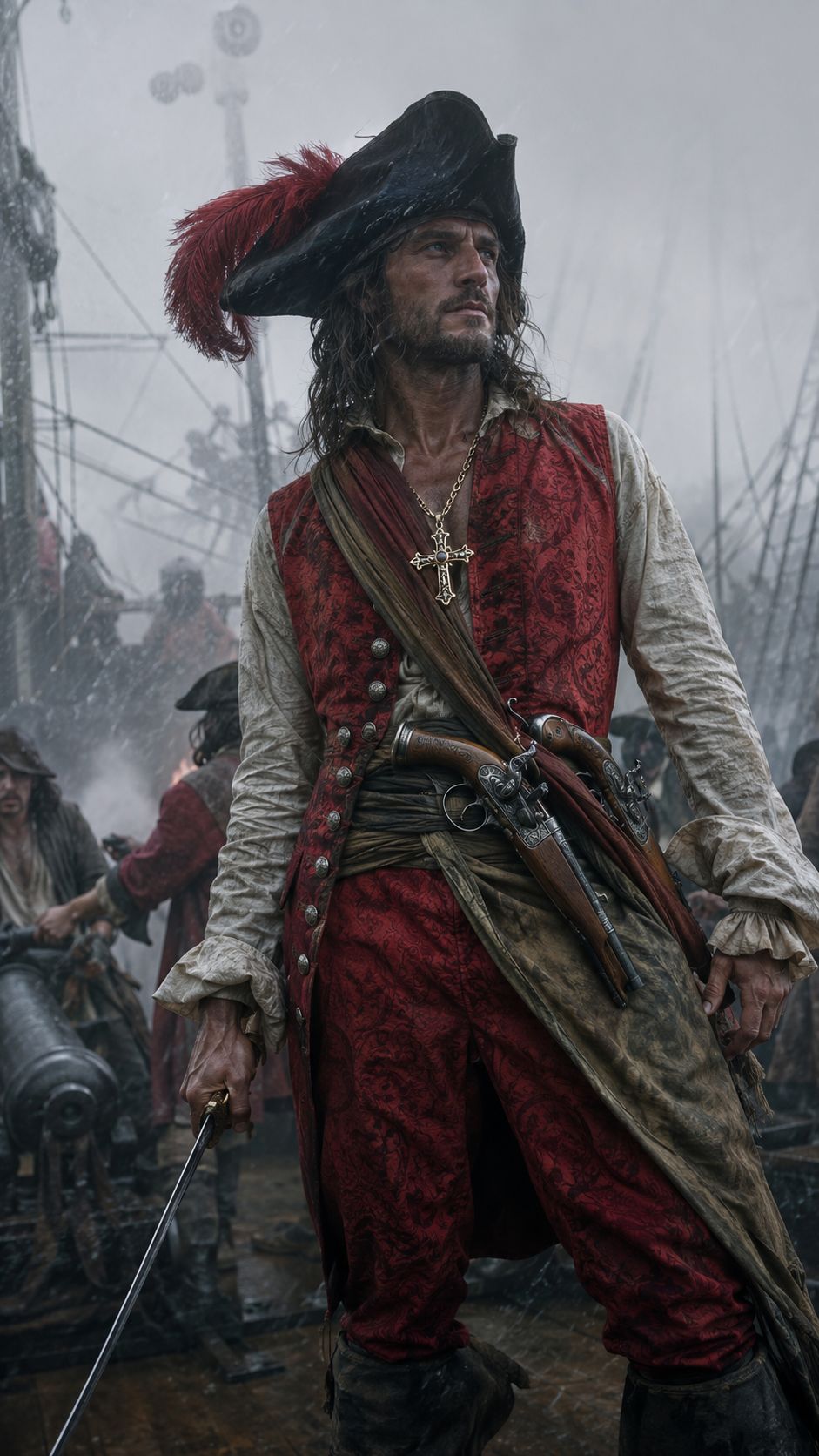
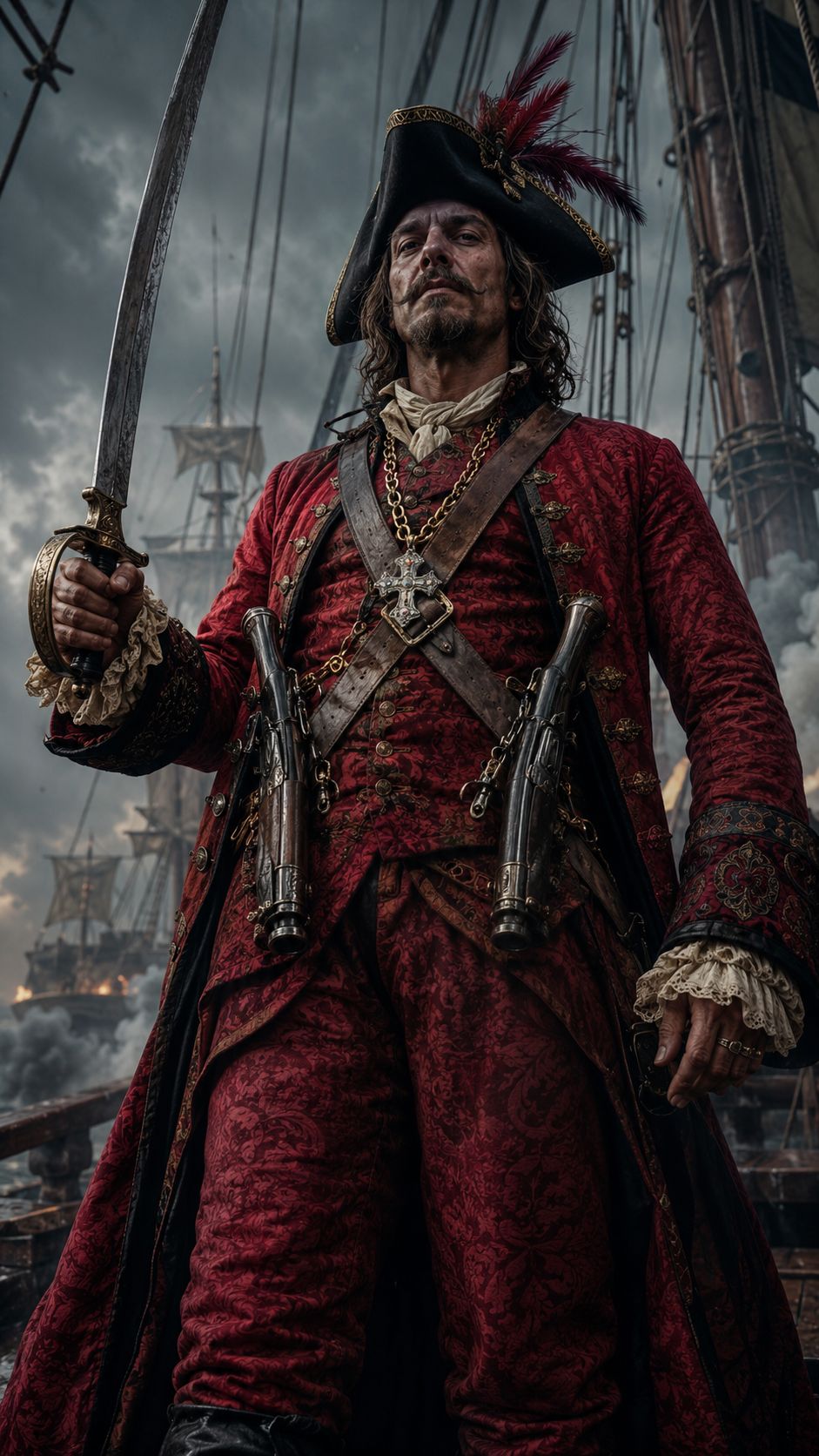
He called himself the Breaker because he broke horses, and by every account he was good at it. Harry Morant was a drifter, a horseman and a bush balladist who sold verse to Sydney’s Bulletin and drank, borrowed and bluffed his way around the Australian colonies. When war came in South Africa he went to it. Within two years he was dead, shot by a British firing squad in Pretoria for killing prisoners, and Australians are still arguing about whether he was a murderer or a scapegoat.
The Horror
Even his name is a muddle. He is believed to have been born Edwin Henry Murrant in Bridgwater, Somerset, in 1864. He claimed to be the son of Admiral Sir George Digby Morant, and the Admiral denied it in 1902. Whether the Admiral was in fact his father is disputed among modern writers, and one of them dismisses the claim as fiction. It is a fair summary of the man: a gifted self-inventor with a real talent for horses and a record of debts and fraud.
In April 1901 he was commissioned lieutenant in the Bushveldt Carbineers, an irregular unit raised to hunt Boer commandos in the northern Transvaal. Wikipedia says he won the commission partly by falsely claiming one in the South African Constabulary. It was a guerrilla war with no front line.
In August 1901 Captain Percy Hunt was killed in an attack on a farmhouse. Reports of the state of his body differ. One account says his neck could have been broken in a fall after he was wounded. Another blames local witch-doctors for mutilation. Morant is traditionally said to have blamed the Boers and acted in revenge, but that motive rests on his own side’s telling.
What followed became the charges. A wounded Boer, Floris Visser, was shot. Eight Boer prisoners were killed near Elim Hospital. A German missionary, the Reverend Carl August Daniel Heese, who had been seen talking to those prisoners, was also killed. The court-martial opened on January 16, 1902, sitting at Pietersburg and then in Pretoria, with the men taken between them in irons. The tallies in the sources vary: one gives Morant three murders, another puts the combined total of the verdicts at twelve deaths, nine prisoners and three civilians. Morant and Peter Handcock were acquitted of killing Heese. They were convicted on the other two cases. George Witton was also convicted, and his death sentence was commuted to penal servitude for life.
Morant’s defence was that he had acted on verbal orders, passed from Hunt and ultimately from the high command, that no prisoners were to be taken. No one ever produced a written order, and HistoryNet notes that the defence offered no corroboration. It also points out that British military law let an officer refuse an unlawful order, and that shooting surrendered men is plainly unlawful. Neither side’s records survive to settle it: the official papers were never made public and were later destroyed. The line “Rule .303”, often credited to him, was a gibe at his rifle, not a regulation. The words he is “supposed” to have said are reported, not recorded.
The case against the Army’s conduct is that it needed a sacrifice. This is an argument, not a proven fact, but the one firm detail is that the warrants were collected from Kitchener on February 25, and a former captain, Robertson, said he saw Kitchener sign both. The trial’s defenders of the time, and many since, saw a war that had turned embarrassing and two colonial officers who were far from home and convenient. Against that stands the evidence that the killings happened, and Morant’s own admission that the executions were deliberate.
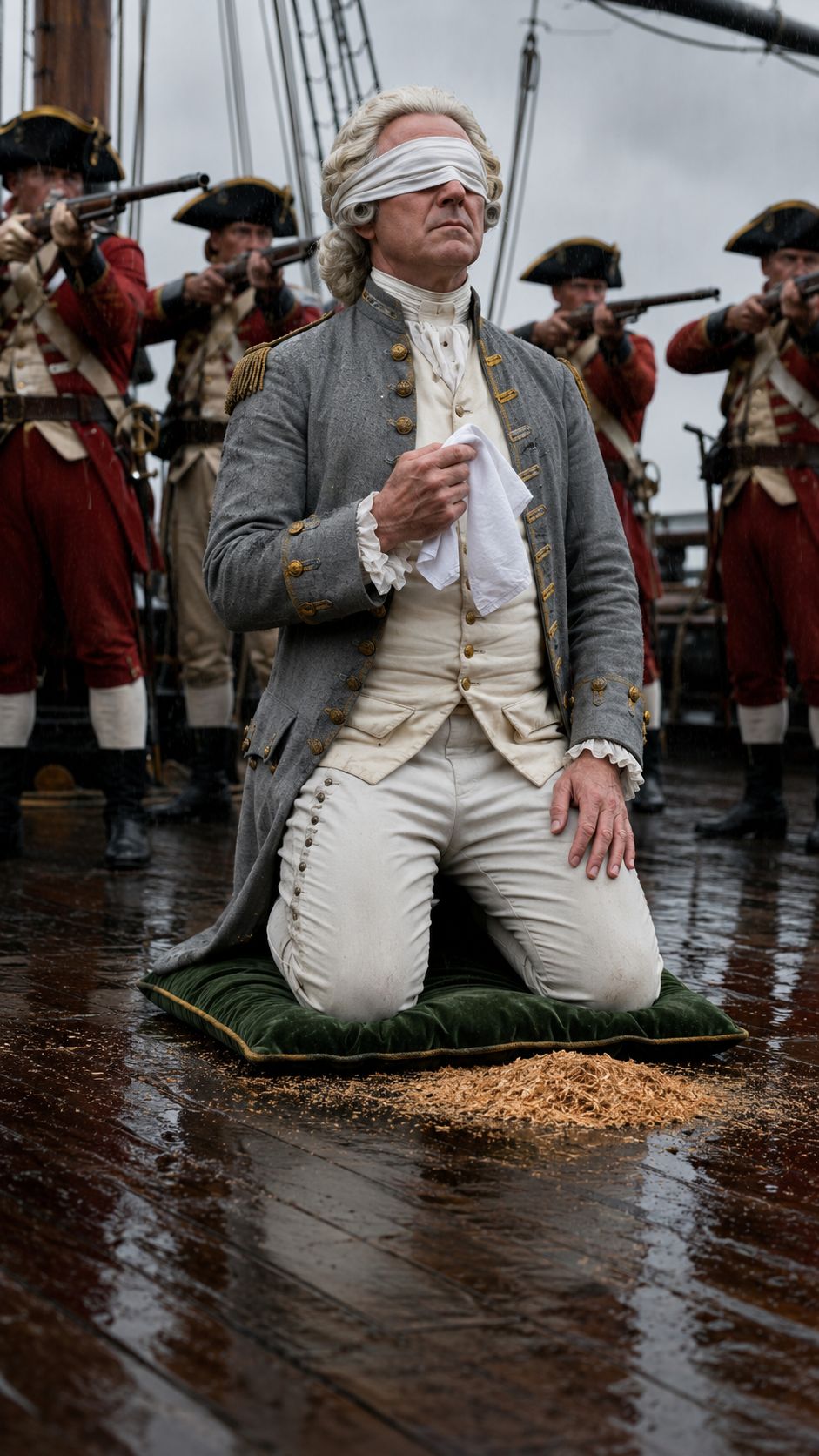
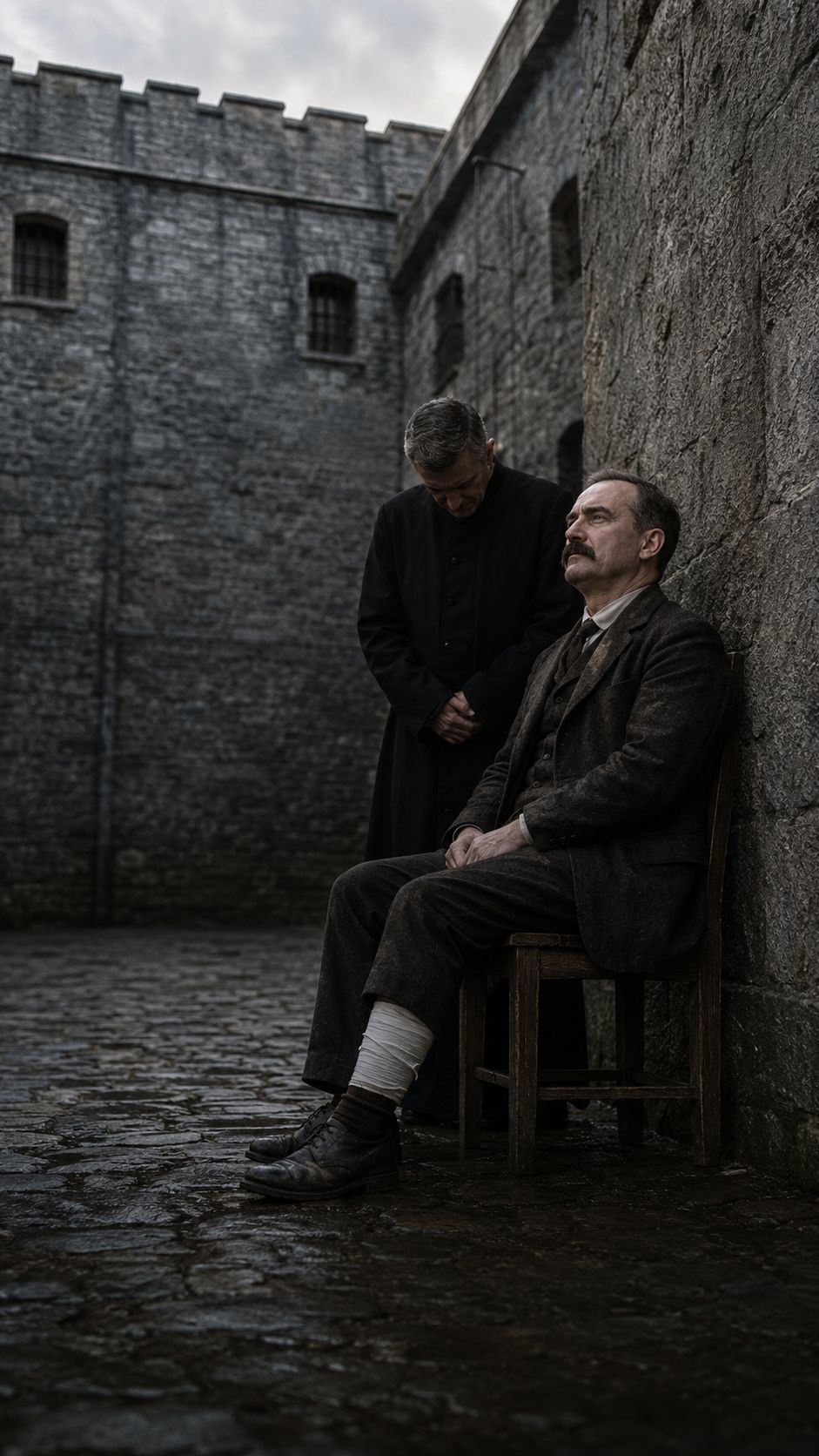
On the morning of February 27, 1902, shortly before six, about eighteen hours after the sentences were announced, Morant and Handcock were shot by a squad of Cameron Highlanders at Pretoria Gaol. Both refused blindfolds.
The Last Words
The best-loved line is “Shoot straight, you bastards! Don’t make a mess of it!” It is legend, and it should be told as legend. HistoryNet calls it almost certainly apocryphal and traces it to later tradition and the 1980 film. A contemporary newspaper report, printed in the Argus on April 3, 1902, has him say instead “Take this thing (the blindfold) off” and “Be sure and make a good job of it!” HistoryNet also cites a warden’s account in which he says “make a good job of it”. The contemporary versions agree with each other and not with the legend. What survives from the morning is that he refused the blindfold and faced the guns.
The Modern Relic
Morant and Handcock lie in a shared grave in the old Church Street Cemetery in Pretoria, the area now known as the Heroes’ Acre. It was left unattended for years, a marble cross was vandalised, and the Australian Government refurbished the site with a concrete slab in June 1998. Sources differ on which section of the cemetery holds the grave: one calls it military, another civilian.
For most of the twentieth century Morant was a minor colonial footnote. Then in 1980 Bruce Beresford’s film Breaker Morant, adapted from Kenneth Ross’s play, made him the symbol of the ordinary soldier hung out to dry by distant commanders. It was nominated for an Academy Award for its screenplay, and it is why most people know the story at all.
The argument it started has never closed. Petitions for a posthumous pardon were sent to Queen Elizabeth II and the Australian Parliament in 2009 and 2010. In November 2010 the British Ministry of Defence rejected the appeal for want of new primary evidence. In 2012 an Australian Member of Parliament called the case for pardons “strong and compelling”, and on May 9 that year the Attorney-General, Nicola Roxon, announced that Australia would not pursue one, because the men had in fact committed the killings.
Witton’s memoir, Scapegoats of the Empire, did much to build the martyr’s story, and HistoryNet describes it as slanted and self-justifying. So the sources most sympathetic to Morant are not the most reliable, and the sources most critical of him do not erase the fact that no one ever proved the orders did not exist. The Boers who died, and the missionary, are part of this story too.