Marcantonio Bragadin was the Venetian commander of Famagusta, the last Christian stronghold on Cyprus. The Ottoman army landed in 1570 and, over the following months, took the rest of the island. Famagusta held out from September 1570 until early August 1571. Venetian chroniclers put the garrison at around 6,000 men against a force of 250,000, but Wikipedia describes those figures as likely exaggerated. What is not disputed is the gap between the two sides and that no relief came.
By August 1, 1571, supplies were gone. Bragadin asked for terms and got them. Westerners could leave under their own flag for the Venetian island of Crete. Greeks could leave at once or wait two years to choose. The evacuation began without trouble, and sources differ on whether it ran for three days or four. On August 5 he came out to hand the city over to the Ottoman commander, Lala Mustafa Pasha.
The Horror
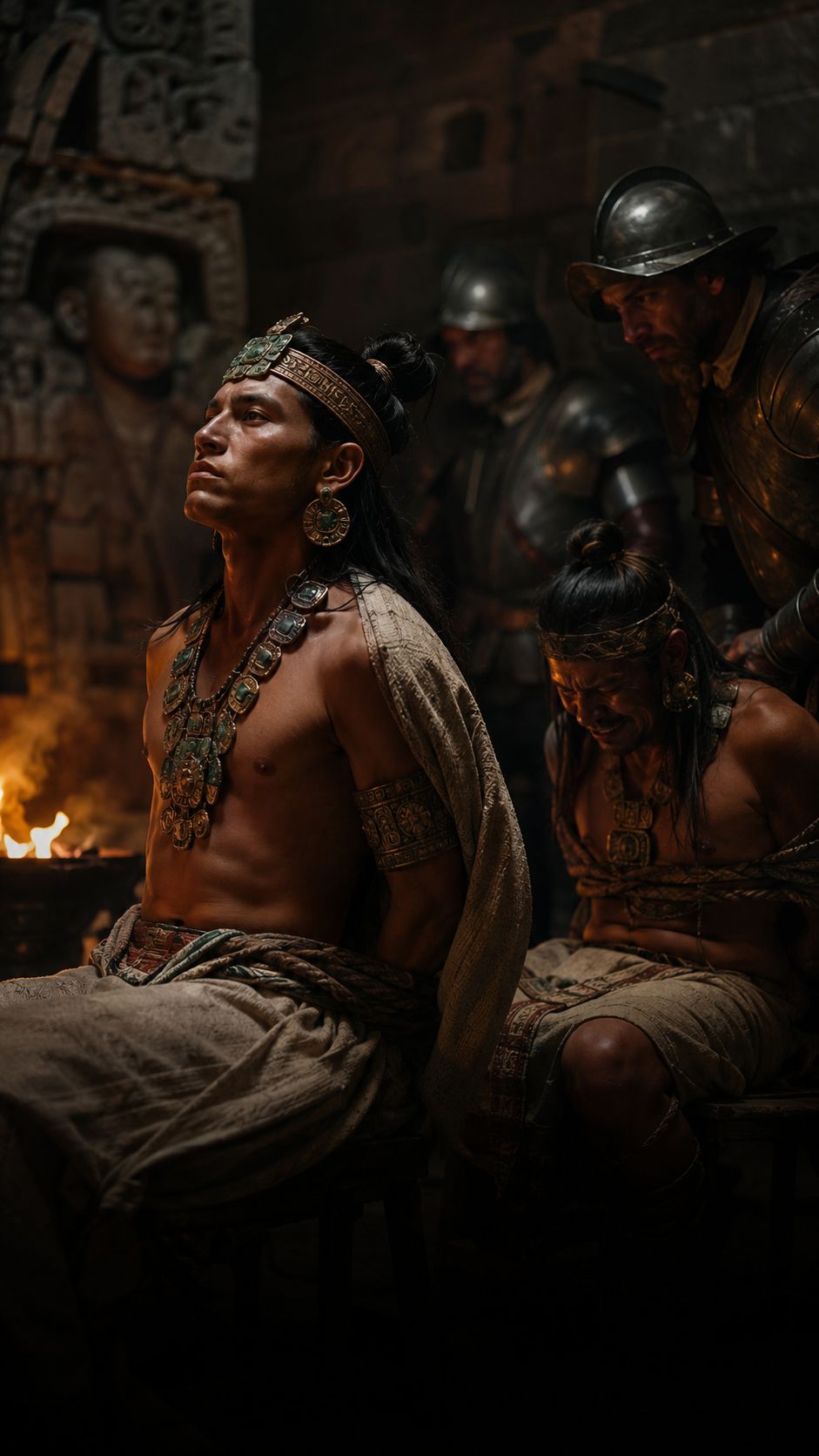
The surrender ceremony is where the terms stopped meaning anything. Mustafa accused Bragadin of murdering Turkish prisoners and hiding munitions. Bragadin denied it. According to the standard account, Mustafa then drew a knife, cut off Bragadin’s right ear, and ordered the other ear and the nose taken too. That detail is tagged “citation needed” on Wikipedia, and it cannot be traced to a contemporary source, so treat it as the traditional version. The same sources agree that Mustafa had Astorre Baglioni, who protested that the terms were being broken, killed, and that the Christians still in the city were massacred.
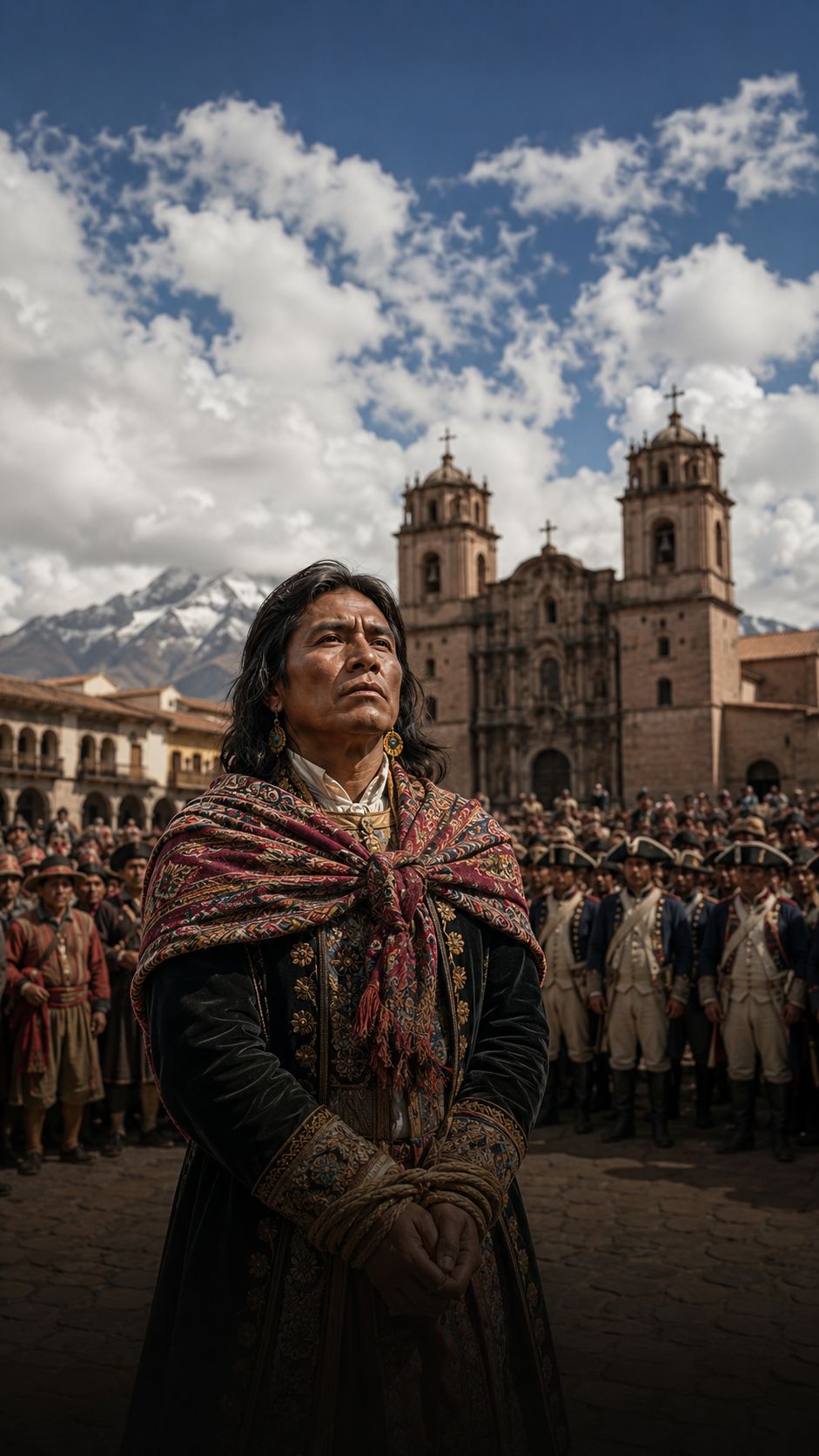
Bragadin was imprisoned for about two weeks, his wounds festering in the August heat. He was then dragged around the walls with sacks of earth and stone on his back. He was tied to a chair and hoisted to the yardarm of a Turkish ship, where sailors jeered. On August 17, 1571, he was taken to the main square, stripped, tied to a column, and flayed alive. The account is that he prayed as it was done. The popular version says he died before the knife reached his waist. No source confirms that, so it stands as report, not fact.
His body was quartered. His skin was stuffed with straw, dressed in his insignia, set on an ox and paraded through the streets of the city he had defended. The skin then went to Constantinople. The sources disagree on the date of the flaying itself. Wikipedia’s infobox and Executed Today give August 17, though neither is a primary source, and the place is variously given as the main square, the cathedral forecourt, or the docks.
The Skin That Came Home
Venice had no wish to forget him. According to Wikipedia, in 1580 a young Venetian seaman, Girolamo Polidori, stole the skin from the arsenal in Constantinople and carried it home, where he was received as a hero. This version rests on one source and is unconfirmed elsewhere. Executed Today gives a different account, in which a surviving Cypriot returned the hide in 1596, and a Cambridge chapter dates the move to its final tomb to 1596. Treat the 1580 theft as tradition.
What the sources do agree on is the route. The skin was first kept in the church of San Gregorio, then moved to the Basilica of Santi Giovanni e Paolo, known to the Venetians as San Zanipolo. A description from 1596 says it had been folded down to the size of a sheet of paper, with chest hair and a nail still attached.
The Modern Relic
In Santi Giovanni e Paolo, the great Dominican church where many doges are buried, Bragadin has a monument with an urn, a bust and an inscription. For centuries some Venetians suspected the urn was empty and the story of the skin a legend. On November 24, 1961, the niche was opened. Inside was a leaden casket too short to hold a body, and in it were pieces of flayed skin. Whether those pieces are Bragadin’s, no test has confirmed. The church is open to visitors, and the monument can be seen high on the wall.
In Famagusta, the old town still stands behind its walls. The former Cathedral of St Nicholas, begun in 1298 and consecrated in 1326, has been the Lala Mustafa Pasha Mosque since the conquest, named for the man who ordered his death. One guide places the flaying in its forecourt between two columns from Salamis, and that is where the tradition points today. It is a single guide-book source and the placing is uncertain. The forecourt is now a pedestrianised plaza with cafés.
The story lasts because of the broken promise. Bragadin did not die fighting. He surrendered on paper, in good faith, and the paper was worth nothing to the man who held the knife.