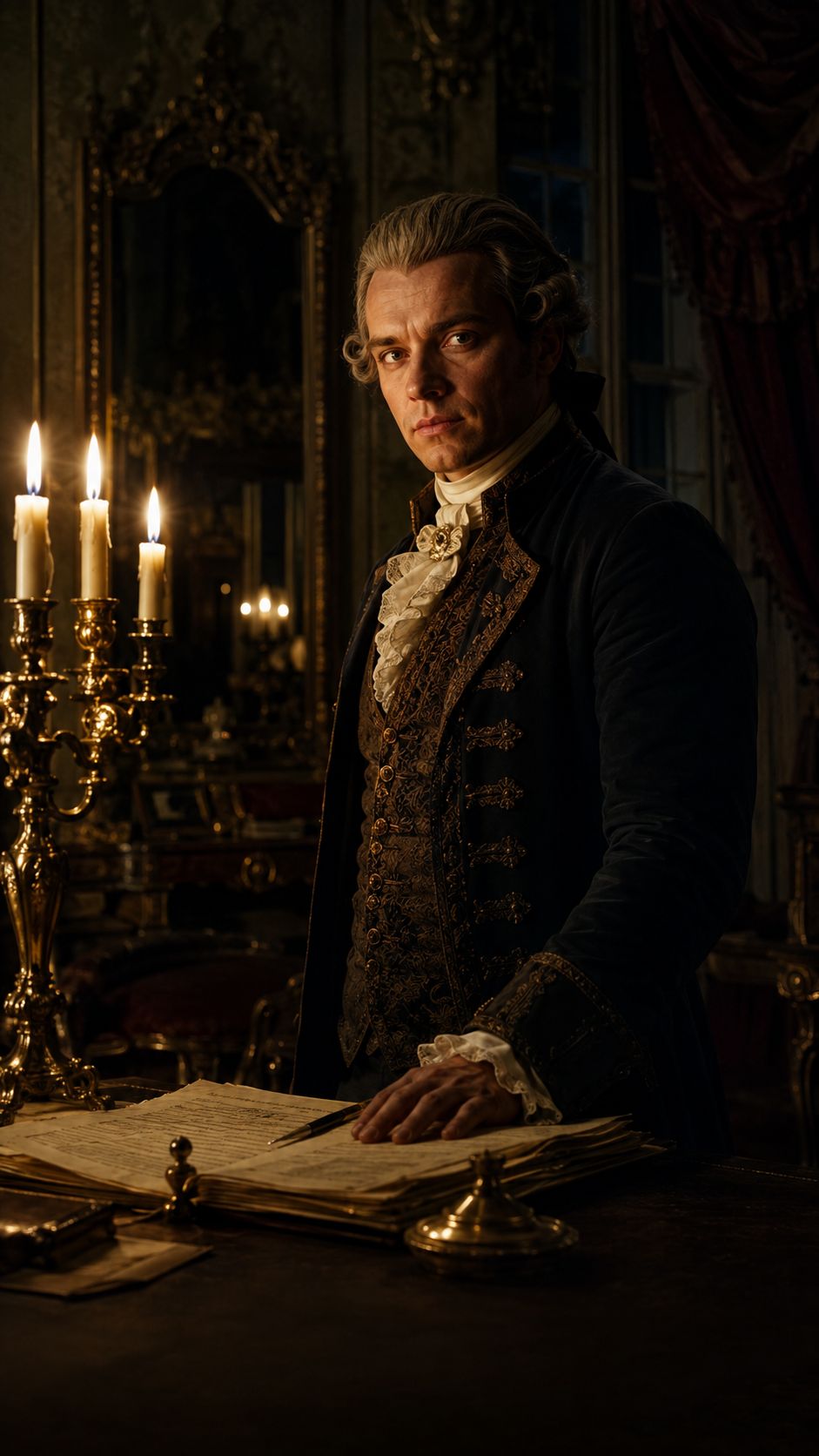
Christian II of Denmark wanted all three northern kingdoms under one crown, and in the autumn of 1520 he had very nearly got them. Sweden had resisted the union for years under the regent Sten Sture the Younger. Sture was mortally wounded in battle in January 1520 and died soon afterwards, and Stockholm finally surrendered. Christian offered an amnesty to Sture’s party, and on November 4 he was anointed King of Sweden in Storkyrkan. Three days of banquets followed. To the Swedish nobility it looked as though the war was over and the new king meant to rule by reconciliation.
It was a trap dressed as a party.
The Horror
The pretext was supplied by Gustav Trolle, Archbishop of Uppsala. In 1517 the Swedish council had declared him guilty of treason and torn down his fortress at Stäket, and he had every reason to want the Sture faction destroyed. His argument, as the accounts have it, was a lawyer’s distinction: the amnesty covered rebellion against the crown, but the men who had moved against their archbishop were heretics against the Church, and the amnesty did not reach them. Christian agreed. Afterwards, in a letter to the Pope, he defended the killings as necessary to avert an interdict.
On the evening of November 7, guests at the castle were called to a private conference with the king. On November 8, Danish soldiers entered the great hall, and several of the guests were seized, with more arrested through the evening. A court of clerics declared the accused guilty of manifest heresy. The Swedish account adds a telling detail: the clerics set no penalty and left it to the secular authority, which chose fire and the block.
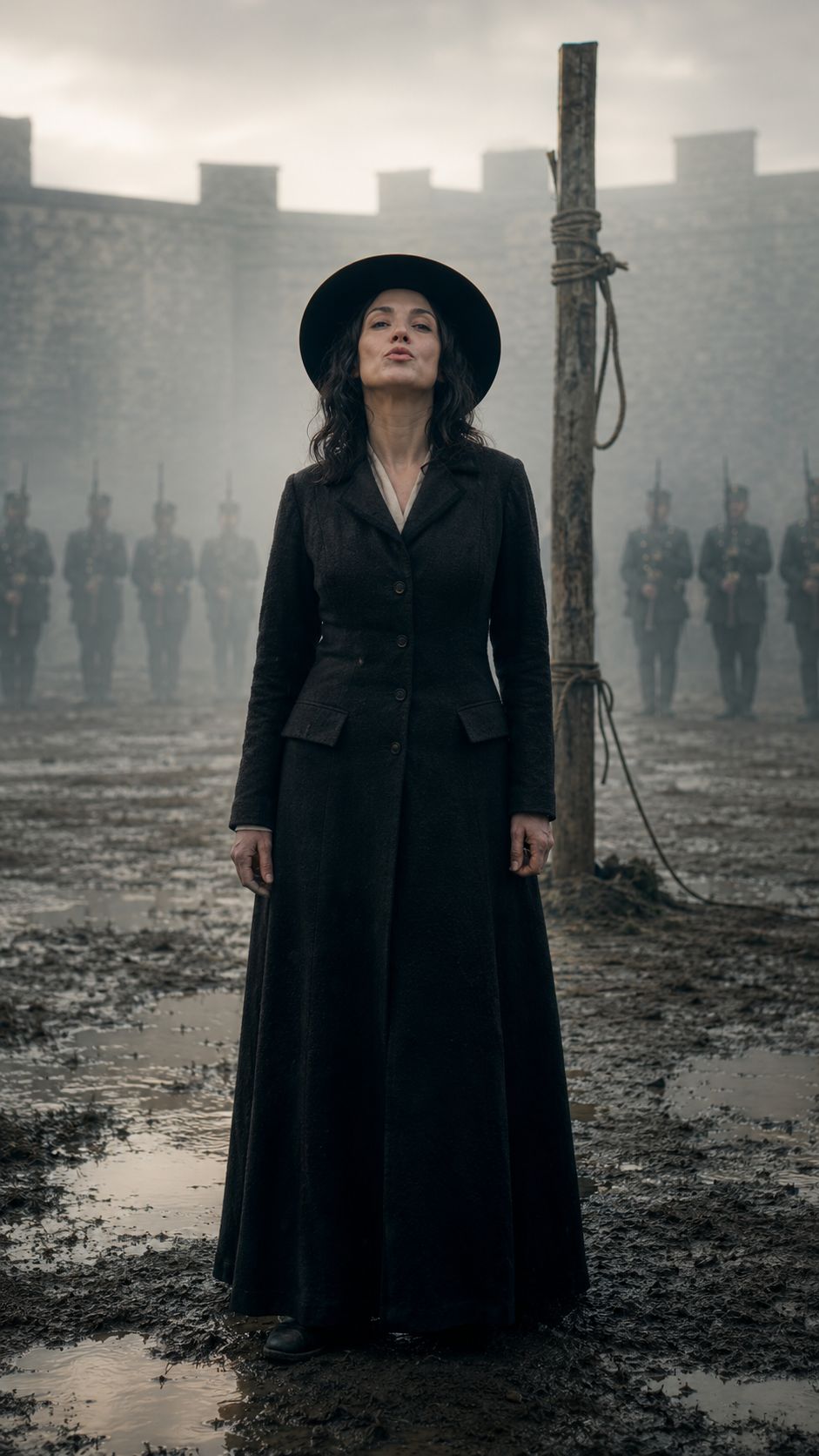
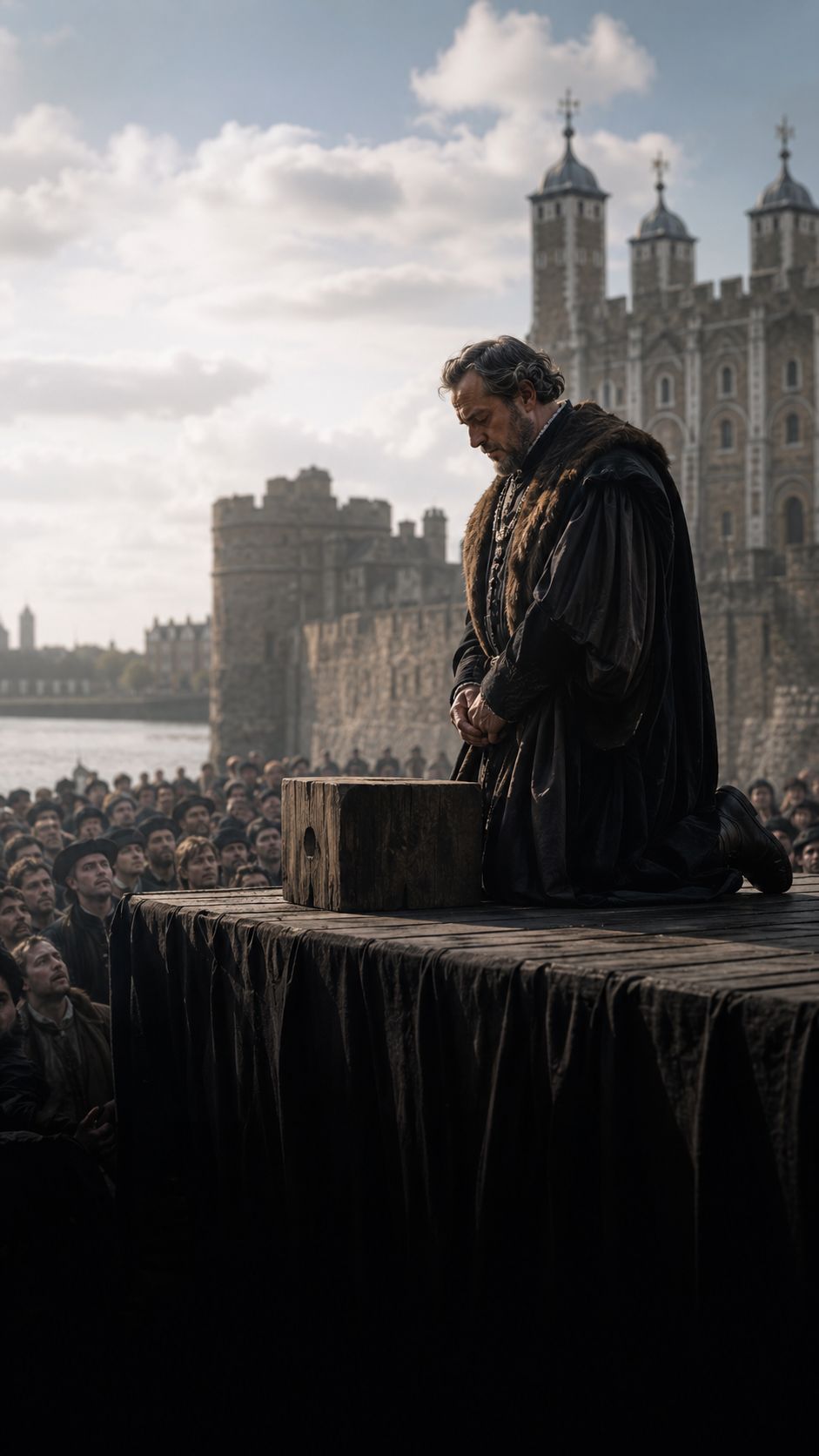
The killing began at midday in Stortorget, the great square of the old town. Sources differ on whether the first day was November 8 or 9, and they agree that it ran across at least two days. The bishops of Skara and Strängnäs were beheaded first. After them came, by the English Wikipedia’s count, about fourteen nobles, three burgomasters, fourteen town councillors and some twenty ordinary citizens, hanged or beheaded. The executioner, Jörgen Homuth, later gave the figure of eighty-two. Other sources say “nearly a hundred”, and the Swedish article records that estimates differ, putting about fifty to sixty under the Church’s sentence with others killed beyond them. The honest answer is that nobody knows the number.
The aftermath was as deliberate as the killing. On November 10, great fires were lit on Södermalm, and the bodies of the executed were burned there. Sten Sture’s grave was opened, and his body, with that of his child according to English Wikipedia, was thrown on the fire. The point was not secrecy. The point was terror, and it was meant for every noble family in Sweden to read.
He had miscalculated badly.
Among the dead was Erik Johansson Vasa, a member of the council. His son Gustav, taken to Denmark as a hostage in 1518, had escaped in 1519 and returned to Sweden. He was not in Stockholm that week. He was at Räfsnäs, and he survived. By August 1521 he had been made regent, and in June 1523 he was elected king. Christian, meanwhile, had been deposed in his own kingdoms. He fled to the Netherlands in 1523, tried to win his thrones back in 1531, and was taken. He lived the rest of his life a prisoner, first at Sønderborg and then at Kalundborg, where he died on January 25, 1559. In Sweden he is remembered as Kristian Tyrann.
The Rising in Dalarna
The popular version of Gustav Vasa’s rising has him going north into Dalarna, among the peasants and miners, and raising an army from nothing. It makes a better story than the sources allow. English Wikipedia says the Dalarna episodes rest mainly on one chronicle, Peder Svart’s, which it calls strongly biased, and that they cannot be verified satisfactorily. What can be said is that the massacre did not end Swedish resistance. The rising went on.
The Legend of the Bleeding Wall
On the north-west side of Stortorget stands a red house, number 20, known as the Schantzka or Ribbinska house. A row of white stones is set into its façade, and a long tradition says there is one stone for every head taken in 1520, and that if one were removed the wall would bleed.
English Wikipedia gives the number of stones as eighty-two, which matches Homuth’s figure, and says only that they are “occasionally said” to stand for the victims. It also notes that the house is recorded no later than 1479, and that the stones were added the year after 1627, when Bo Ribbing gave the property to Johan Eberhard Schantz. That is more than a century after the massacre, which is a hard fact for the legend to carry. Treat the stones as folklore. A second tradition about a cannonball set in a wall of the square, said to have been fired at Christian himself, is likewise doubtful, and one source credits a furniture merchant who put it there in 1795.
The Modern Relic
Stortorget is still there, the oldest square in Gamla Stan, the old town, ringed by the tall merchant houses with stepped gables. The Stock Exchange Building, which now houses the Swedish Academy and the Nobel Museum, stands on one side. People drink coffee there now.
A short walk away is Storkyrkan, the cathedral where Christian had been anointed on November 4. The geography of the week is still legible: the castle where the doors closed, the open ground where the block stood, the houses whose windows looked down on it. If you stand in front of number 20 and count the white stones, you will be counting the story’s best-known legend, not its evidence.
Christian came to Stockholm to be a king three kingdoms wide. Within three years he had lost his own crowns, and a hostage he had once carried off to Copenhagen was King of Sweden.