On the Osage Mission trail in the south-east corner of Kansas, in the early 1870s, there was an inn where a traveller could get a meal and a bed from a family called Bender. The family had a daughter, Kate, who advertised herself as a spiritualist and a healer, and who by every account was the one people remembered. Within two years the orchard behind the house was giving up the bodies of at least eleven people. The Benders had gone, and nobody has ever proved where.
The Horror
The Benders took a claim beside the trail around 1871. Kansas’s own state history society says the family ran a store and inn there until 1873, and it is the only part of the family’s life that sources agree on. There were four of them: John Bender senior, thought to be about sixty and said to speak little English, his wife (known as Ma), a son, John junior, in his twenties, and Kate, a couple of years younger. Whether they were really a family is not certain. Some neighbours claimed John junior and Kate were a couple rather than brother and sister. That claim is unproven, and the census gives details about the family’s ages and origins that do not match what neighbours later said.
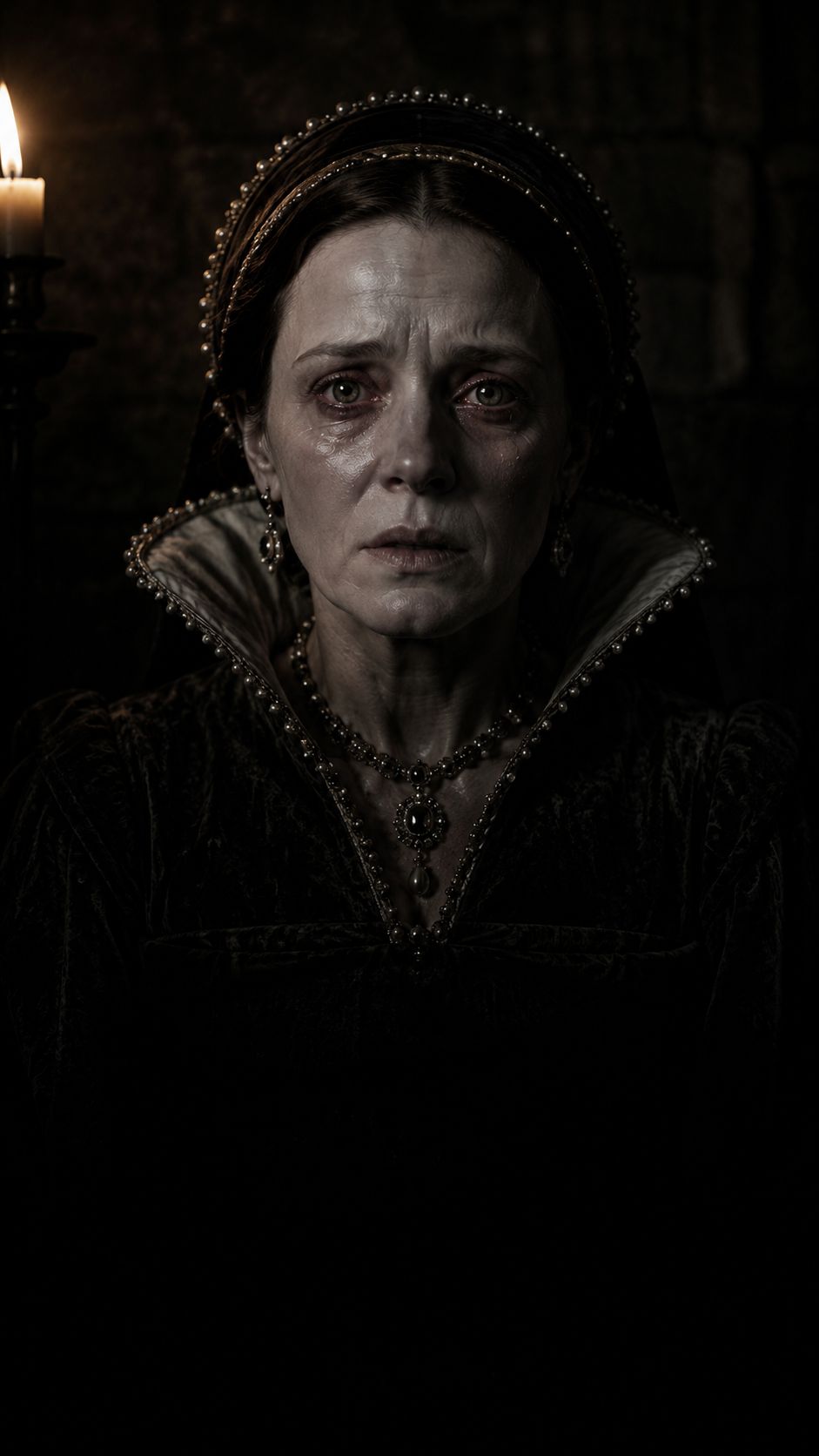
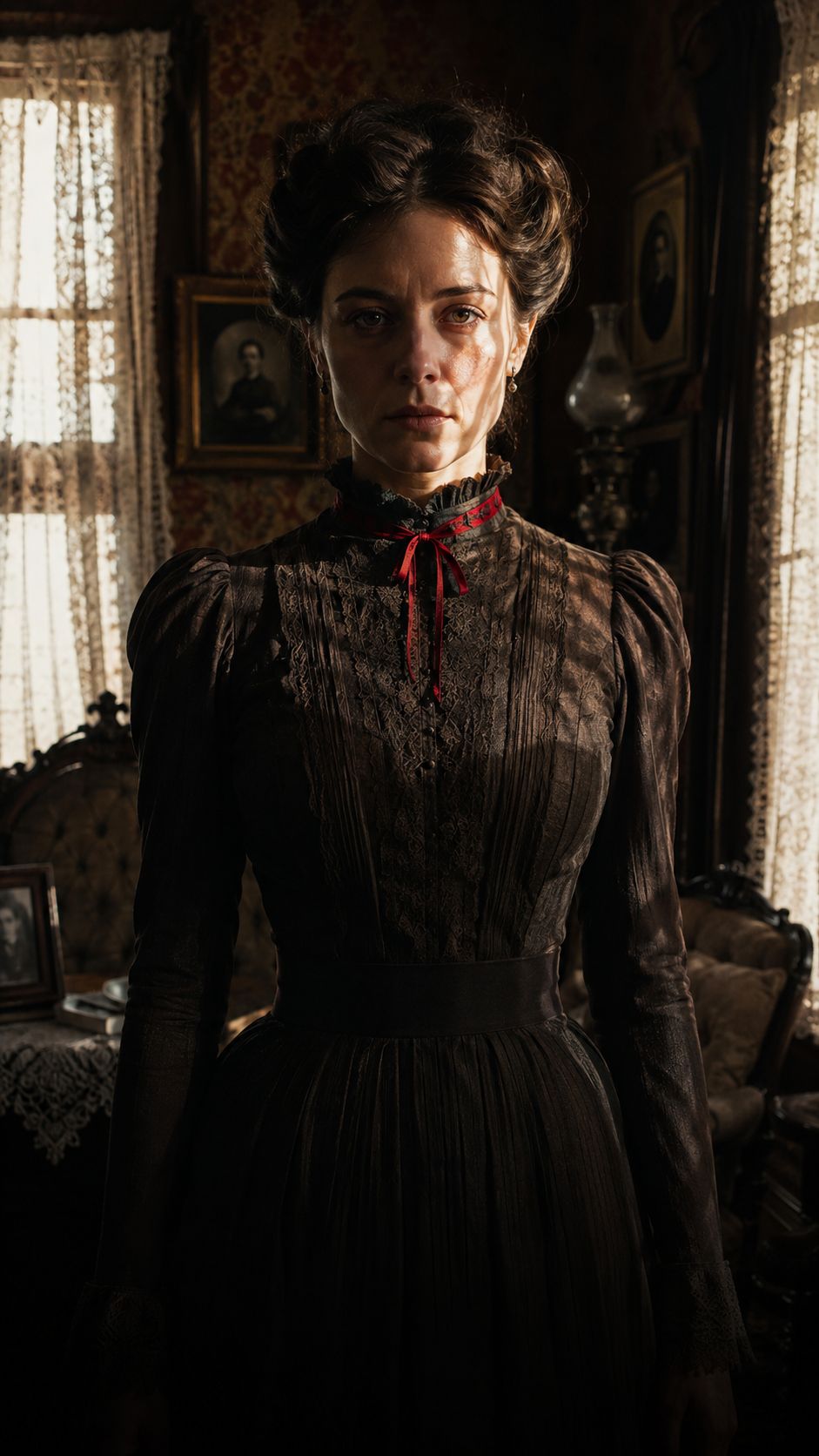
Kate was the draw. The Kansas Historical Society records that she advertised healing and spiritualist powers on circulars handed out around the county. Popular retellings give her a billing of “Professor Miss Katie Bender” and say she lectured in the district. That wording and the lectures are unconfirmed, so treat them as tradition. A lone man curious about a young woman who claimed to speak to the dead would have had reason to stop.
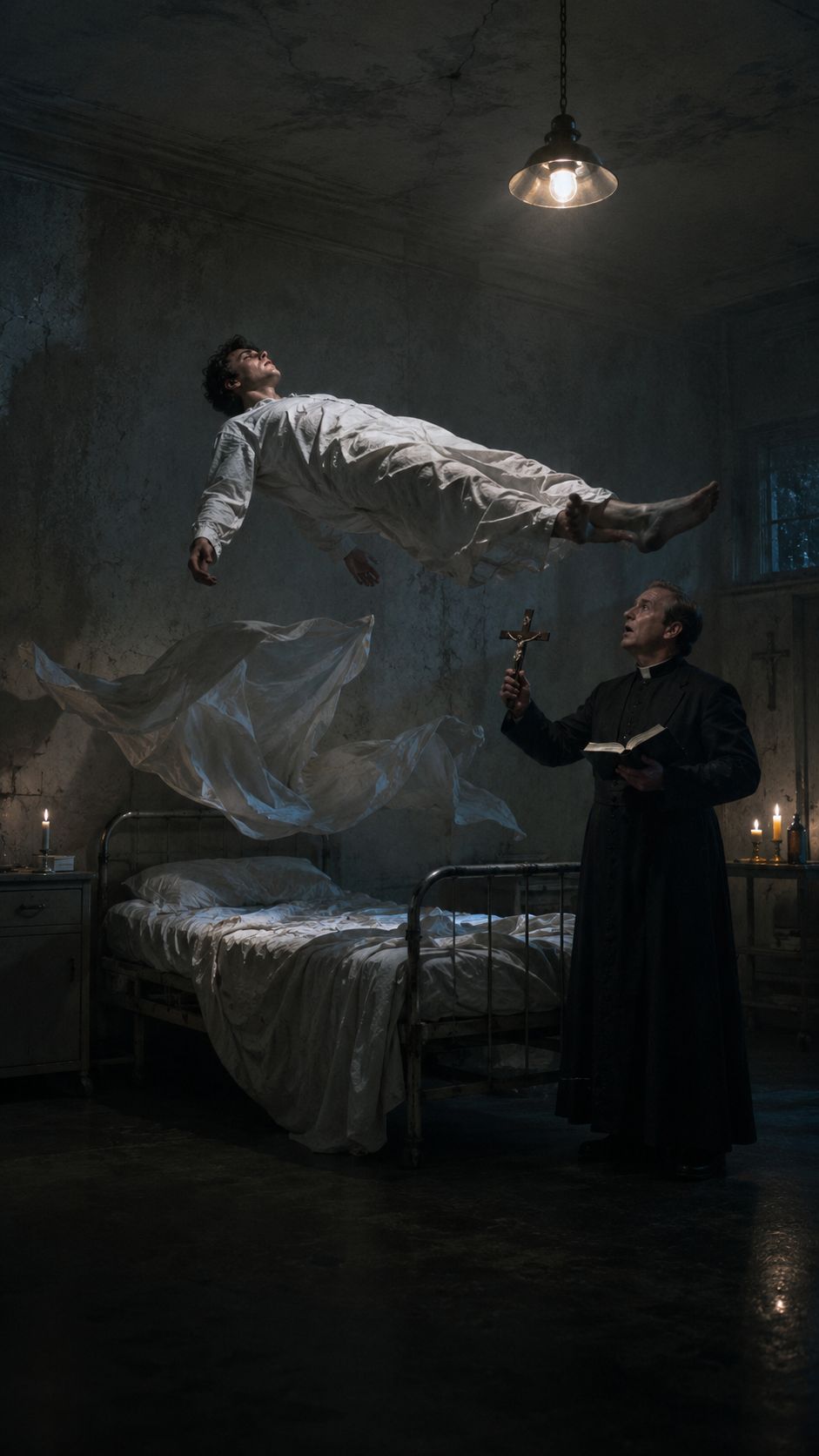
The house was a single room, divided by a canvas cloth. The front held a table, a stove and groceries. The back held beds, and under a trapdoor in the floor lay a cellar. The usual account, repeated in most books, has a guest seated at the table with his back to the curtain, where someone waited with a hammer. A throat was then cut, and the body went through the trapdoor to be stripped and later buried. The state history society’s version is plainer: victims were struck with a sledgehammer kept to hand, and the bodies dropped into the cellar. The full routine is partly conjecture. Wikipedia notes that the witness evidence for it is mixed, and one of the witnesses often quoted is described there as unreliable.
What exposed them was a doctor. William York was last seen on March 9, 1873, after calling at the Bender inn. His brothers went looking, and HistoryNet names them as Ed and Alexander York. Retellings of the story tend to make York a Colonel and a state senator and to say he was searching for another missing man, George Loncher (spelt Longcor in some accounts), who had vanished with his small daughter. Of those details, only the Yorks’ search is confirmed. The account of why York stopped at the inn is described by HistoryNet as “puzzling”, and the other claims are for the reader to weigh.
The searchers came back in early May. According to HistoryNet, the township trustee LeRoy Dick searched the cellar on May 5 and found the smell, a trapdoor hung on leather strap hinges, and three hammers. Ed York spotted a hollow in the orchard, and digging began. The graves held Dr York, Loncher and his daughter, who was around eight, and others. HistoryNet gives a number of named victims, among them Henry McKenzie, Ben Brown, W. F. McCrotty, John Greary and Johnny Boyle, whose body was found in an old well. The Kansas Historical Society says eleven bodies were found with crushed skulls. Wikipedia says at least a dozen, and HistoryNet says estimates run to more than twenty. The real total is unknown. HistoryNet puts the money taken at around $5,000, although that figure is itself an estimate.
The family had gone. Wikipedia reports that their wagon was found abandoned near Thayer, and that railway records suggested the family split in two. Rewards were posted: HistoryNet gives $1,000 from Ed York and $2,000 from the governor, Thomas Osborn, while Wikipedia gives a combined $3,000 that was never claimed. The sources disagree over which York made the offer.
The Legend
There is no ending, so there are several. One tradition holds that a vigilante posse tracked the family down, killed them and buried or burned the bodies in secret. Another says they got clean away. Neither has ever been confirmed, and the Kansas Historical Society says plainly that no one can prove what happened to Kate and her family.
The sightings run for decades. HistoryNet lists reports of two Bender women arrested in Iowa in 1873, a man reported in Arizona in 1875, and a claim in 1908 that they had gone to Europe, none of which led anywhere. In 1889, two women arrested at Niles, Michigan, were thought to be Ma and Kate. LeRoy Dick brought them to Kansas, and Wikipedia says they were discharged in 1890 on weak identification, with key affidavits since missing from the county file. Wikipedia also records a skull displayed in an Idaho saloon, said to be Pa Bender’s. It could never be identified.
A final story ties the Benders to Laura Ingalls Wilder, whose father is said to have joined the hunt. Wikipedia notes that Wilder mentioned the Benders in a 1937 speech, that the anecdote may have been added by her daughter and that it is absent from the original manuscript. The claim is unchecked beyond that and should not be relied on.
The Modern Relic
The cabin is gone. Wikipedia and HistoryNet both say souvenir hunters took it apart, and Wikipedia reports more than 3,000 visitors to the site in the weeks after the discovery.
What survives is in two places. The Cherryvale Museum holds hammers believed to be the Benders’, and the knife found in the house is in the care of the Kansas Historical Society in Topeka. Both KCTV5 and HistoryNet say the hammers are on display at Cherryvale, although the museum’s current hours should be checked before travelling. Cherryvale had a dedicated Bender museum from 1961 to 1978, according to HistoryNet.
The ground itself is still being questioned. KCTV5 reported in July 2024 that a University of Kansas team under Dr Laura Norman was in its second season of digging at a site believed to be the homestead, on a 160-acre property bought in 2020. The finds so far are pottery, glass, a horseshoe and fragments of tin, which are ordinary frontier debris waiting on lab analysis. Wikipedia reports a historical marker at a rest area at the junction of US 400 and US 169, north of Cherryvale. The homestead is private land.
The coordinates given for this story are an estimate, placing the site roughly seven miles north-east of Cherryvale as Wikipedia describes it. No source gives an exact grid reference.