Before 1536 Henry VIII was the athletic prince of the early Tudor court: a tall man who danced, hunted, composed music and jousted. After it, in the popular telling, he turned into the suspicious tyrant of the last decade of his reign. A fall from a horse at Greenwich on January 24 is often named as the hinge between the two. The truth is less tidy than the legend, but the timing is hard to ignore.
The Horror
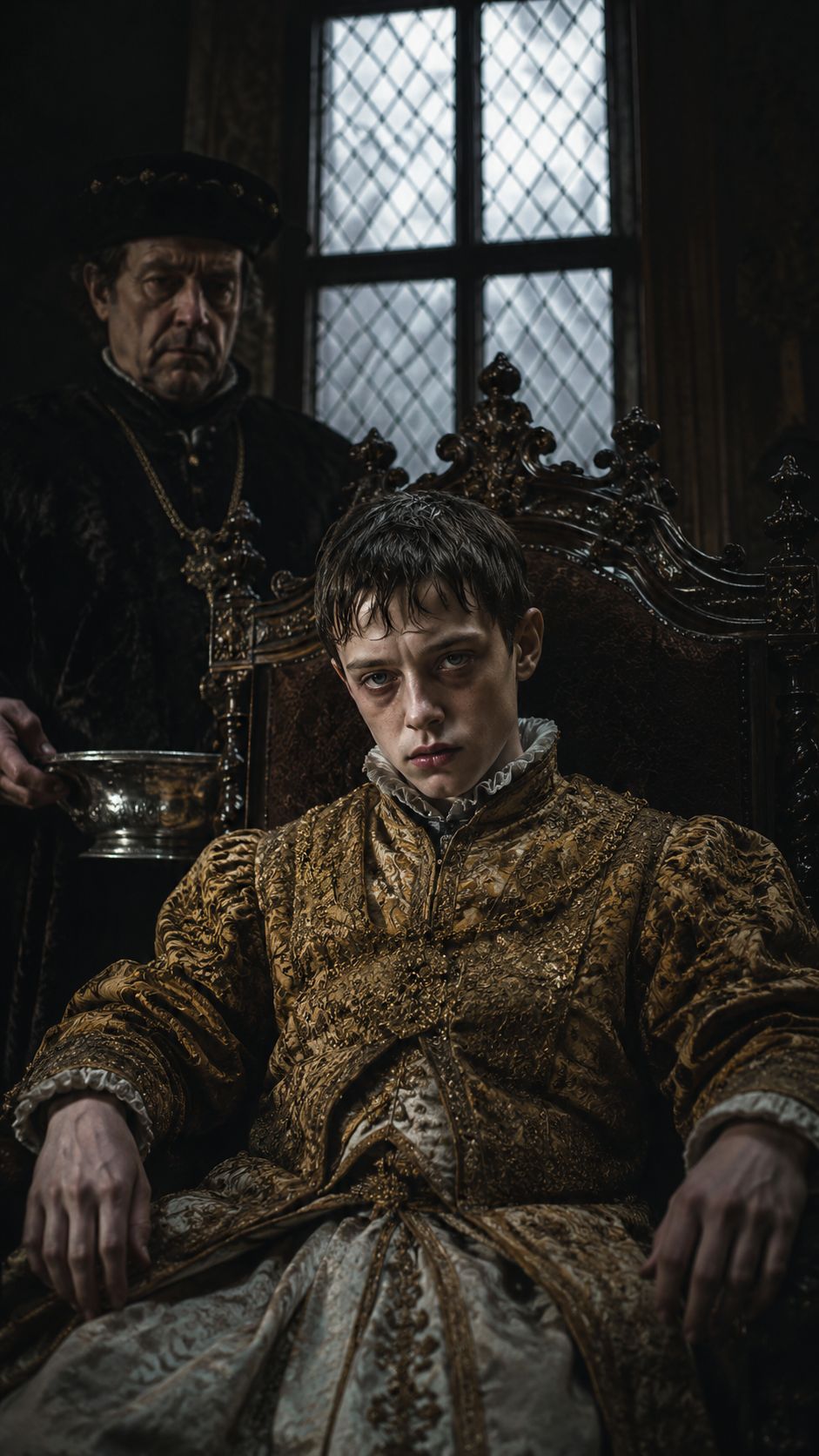
In January 1536 Henry was in his mid-forties. News of the death of Catherine of Aragon had reached court on January 8. Later in the month, on January 24, he was jousting at Greenwich when he was thrown from his horse in a tournament and the horse fell on him. The accounts say his life seemed to be in danger for a time.
The best-known detail is that he lay unconscious for two hours. It is repeated in many modern accounts, including the Wikipedia article on Anne Boleyn. How long he was actually unconscious, and whether he was unconscious at all, is unconfirmed. The article on Henry himself gives neither a duration nor a place for the fall.
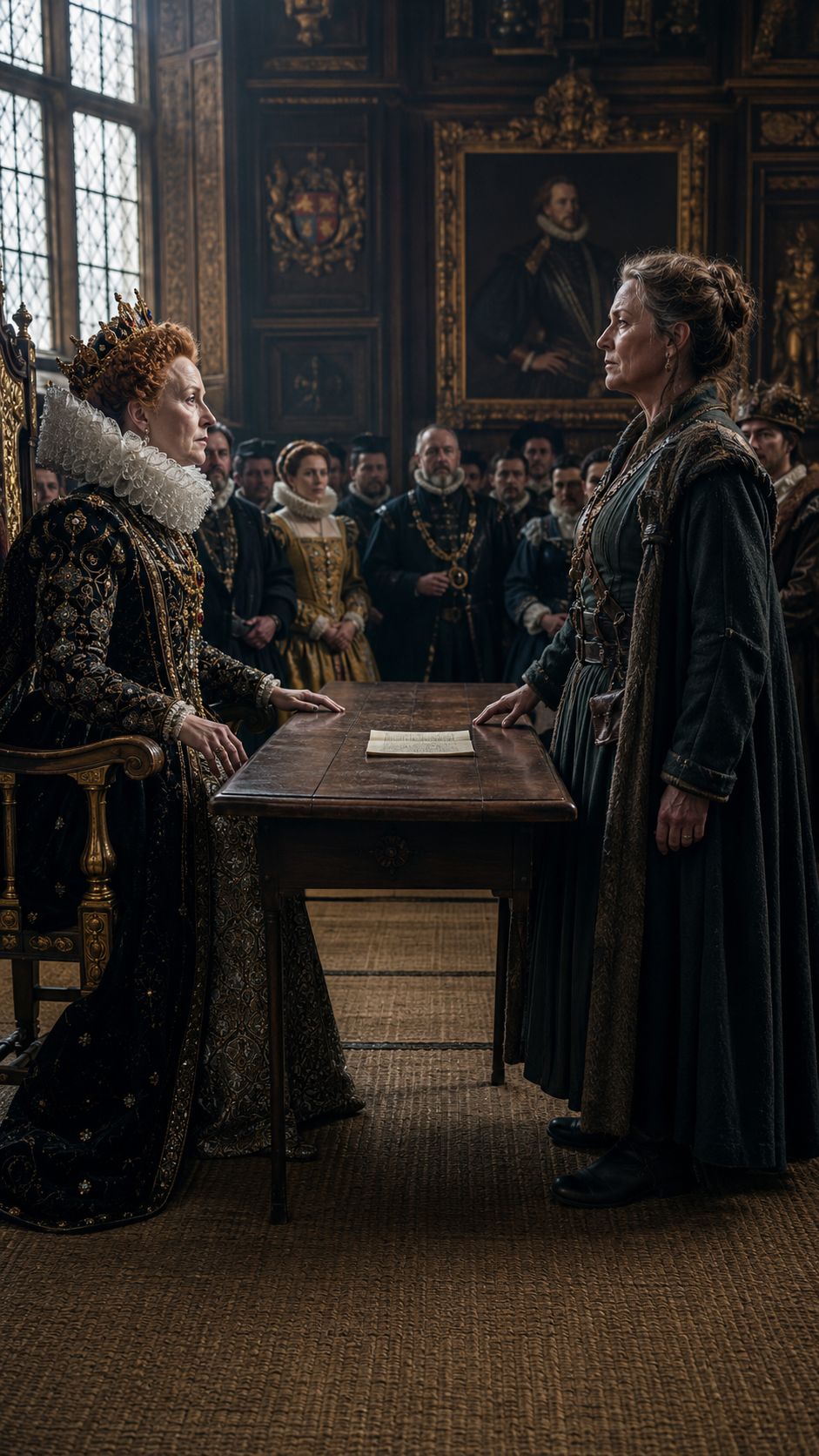
The accident was followed, five days later, by a miscarriage. Anne Boleyn lost a pregnancy on January 29, 1536, the day Catherine of Aragon was buried at Peterborough Abbey. The imperial ambassador Eustace Chapuys reported that the fetus was about three and a half months along and “seemed to be a male child”. Anne believed the shock of hearing of Henry’s fall had caused it. That is her belief and Chapuys’s reading, not an established cause. Other explanations have been put forward, including Anne seeing Jane Seymour on Henry’s lap, and one historian has argued for a false pregnancy. Chapuys called the miscarriage the beginning of the end of the marriage.
The end was fast. Anne was arrested on May 2, 1536, after a group of men, including her brother George, had been taken up on charges of adultery. Most historians dispute the charges. She was convicted on May 15 and beheaded on May 19.
The Legend
Whether the fall changed Henry is the argument the story has become. A clinical study led by Arash Salardini of the Yale Memory Clinic, published in the Journal of Clinical Neuroscience, concluded that “every piece of evidence points in one direction”: post-concussive syndrome, with declining memory and executive function, apathy, weight gain and increasingly erratic and cruel behaviour. The team worked from letters and papers because the patient could not be examined. The article stresses that those sources carry their authors’ biases, and describes the finding as consistent with Henry’s injuries, not proof of them.
Other explanations are on the table. The Wikipedia article on Henry says the accident left him with a leg wound that turned gangrenous, and describes him in later life as morbidly obese and immobile. A single jousting fall as the cause of everything, from the fall of Anne Boleyn to the later terror, is a simplification. Henry’s reign had violence in it before 1536.
The Modern Relic
The palace where the fall took place no longer exists. Henry was born at Greenwich in 1491 and held tournaments and pageants there, but Charles II demolished the main palace in 1660 and the site stayed empty until construction of Greenwich Hospital began in 1694. The complex became the Royal Naval College in 1873. Drain work in 2005 and excavations in 2006 and 2017 found Tudor remains, including a chapel and vestry, and the Tudor jetty piles and the vestry survive. The exact tiltyard where Henry fell is not described in the sources used here.