Caligula was emperor of Rome for under four years. His reign ended in a narrow space beneath the imperial palace, at the hands of the men who guarded him.
The Horror
Gaius Caesar Augustus Germanicus took power in AD 37. “Caligula” was a nickname, a diminutive of caliga, the military boot. The accounts of his reign come from hostile sources. Suetonius wrote about eighty years after the events and Cassius Dio about 180 years after, so the picture of cruelty and caprice is secondhand.
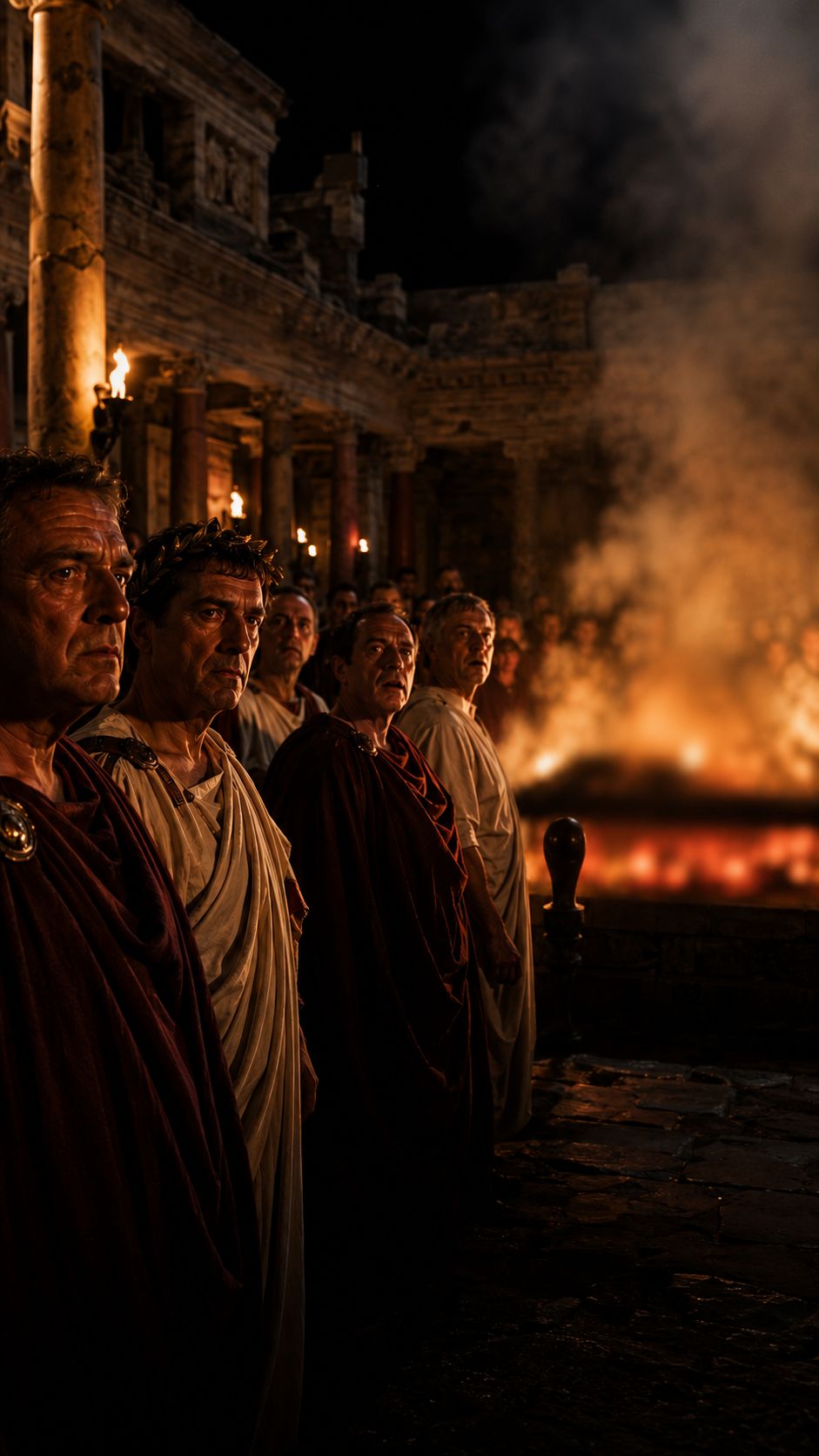
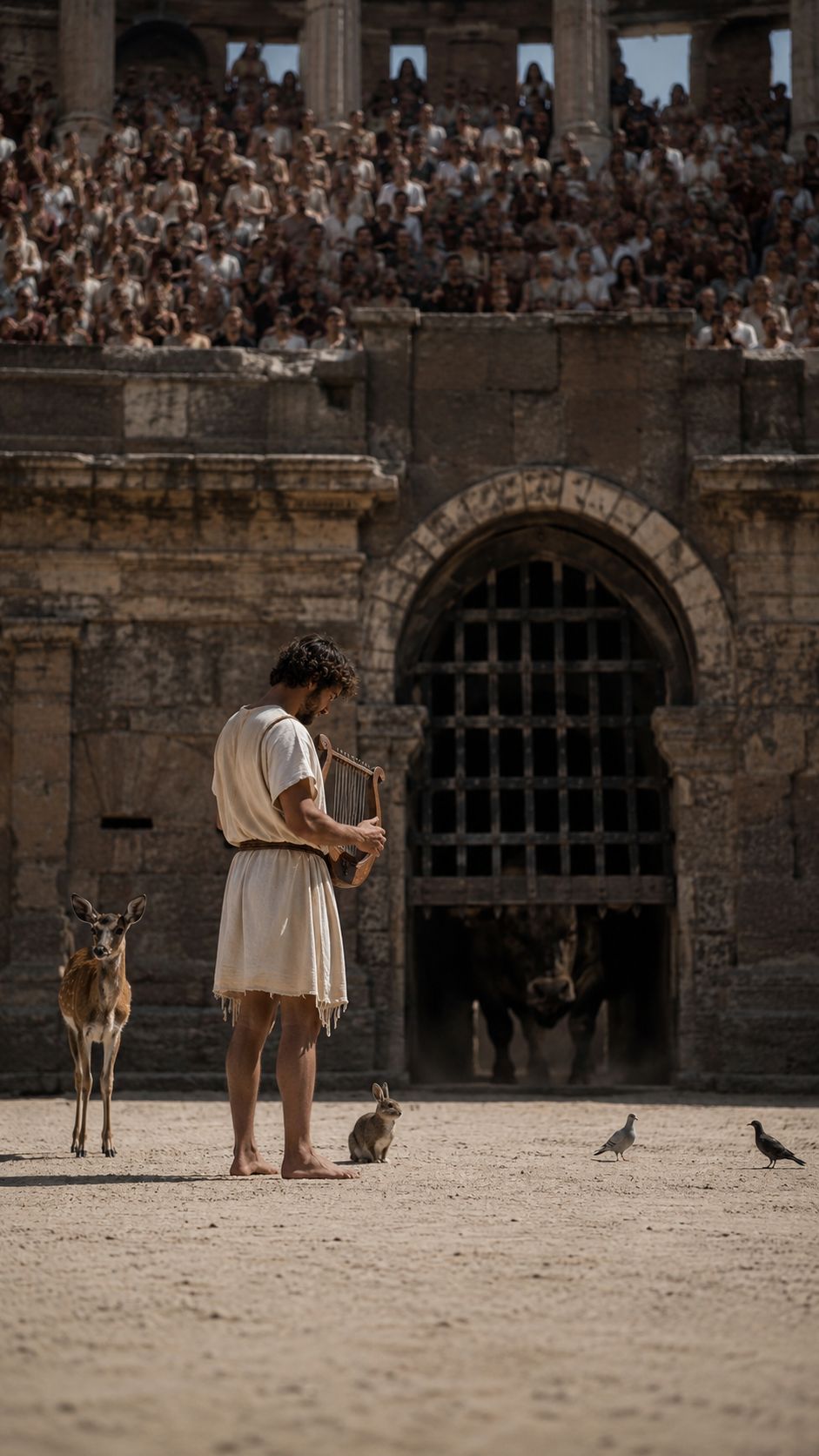
On January 24, AD 41, the day before he was due to leave for Alexandria, he was killed during games held in honour of the deified Augustus. He was addressing a troupe of young men beneath the palace when the attackers closed in. Two Praetorian tribunes, Cassius Chaerea and Cornelius Sabinus, led the attack with several centurions. Chaerea is said by all accounts to have struck first, though the sources differ on the details. In Josephus, Chaerea was driven by resentment of the emperor’s insults, including watchwords such as “Priapus” and “Venus,” the latter possibly aimed at his high voice. The Germanic guard arrived too late. The killing went on, and several of the emperor’s party, including innocent senators and bystanders, died before the Praetorians took control.
His wife, Caesonia, and their daughter, Julia Drusilla, were killed as well. A soldier named Gratus is said to have found Caligula’s uncle Claudius hiding behind a curtain. The Praetorians took him to their camp and proclaimed him emperor, and the Senate confirmed the choice. Claudius later had Chaerea, a tribune named Lupus and the centurions executed. Sabinus was allowed to take his own life. Suetonius says Caligula’s body was left under turf until his sisters had it burned and entombed.
The Legend
Popular retellings say the emperor was stabbed thirty times, that the killers kept stabbing after he was dead, and that the child Julia Drusilla was dashed against a wall. These details are unconfirmed. The curtain story is the traditional account. It is also unconfirmed that the Senate seriously tried to restore the Republic, as Josephus reports. Some scholars see another senator, Lucius Annius Vinicianus, as the main instigator, and Callistus may have shifted loyalty to Claudius earlier. Modern historians think very few people were involved and not all of them knew one another.
The Modern Relic
The Palatine Hill in Rome, where the imperial palaces stood, can still be visited. An underground corridor, a cryptoporticus, was reportedly discovered there by archaeologists in 2008, and it has been linked to the murder. That link rests on a statement that the encyclopaedia flags as needing a citation, so it is unconfirmed. The identification of the exact spot is a matter of debate and not settled fact.