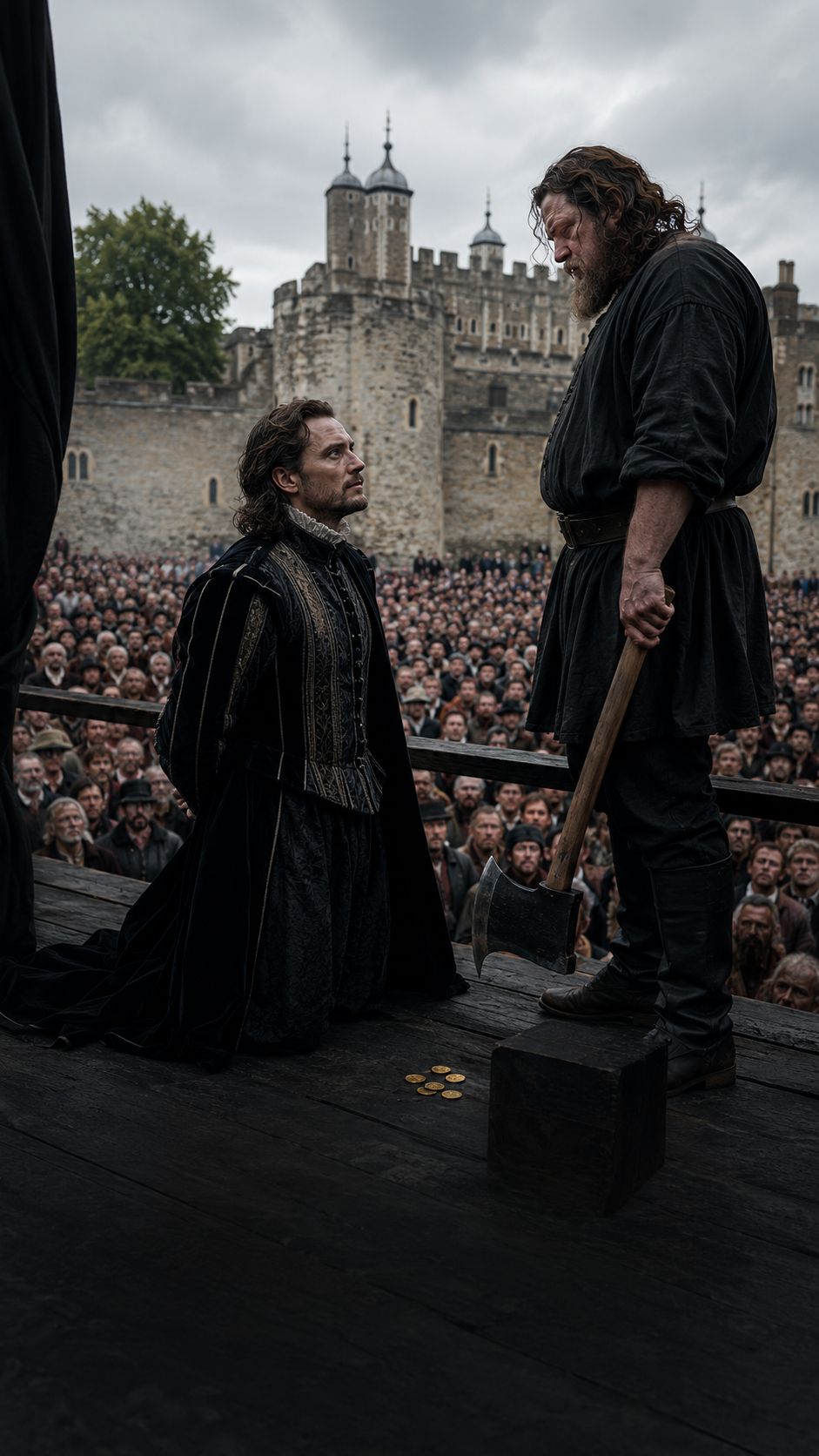
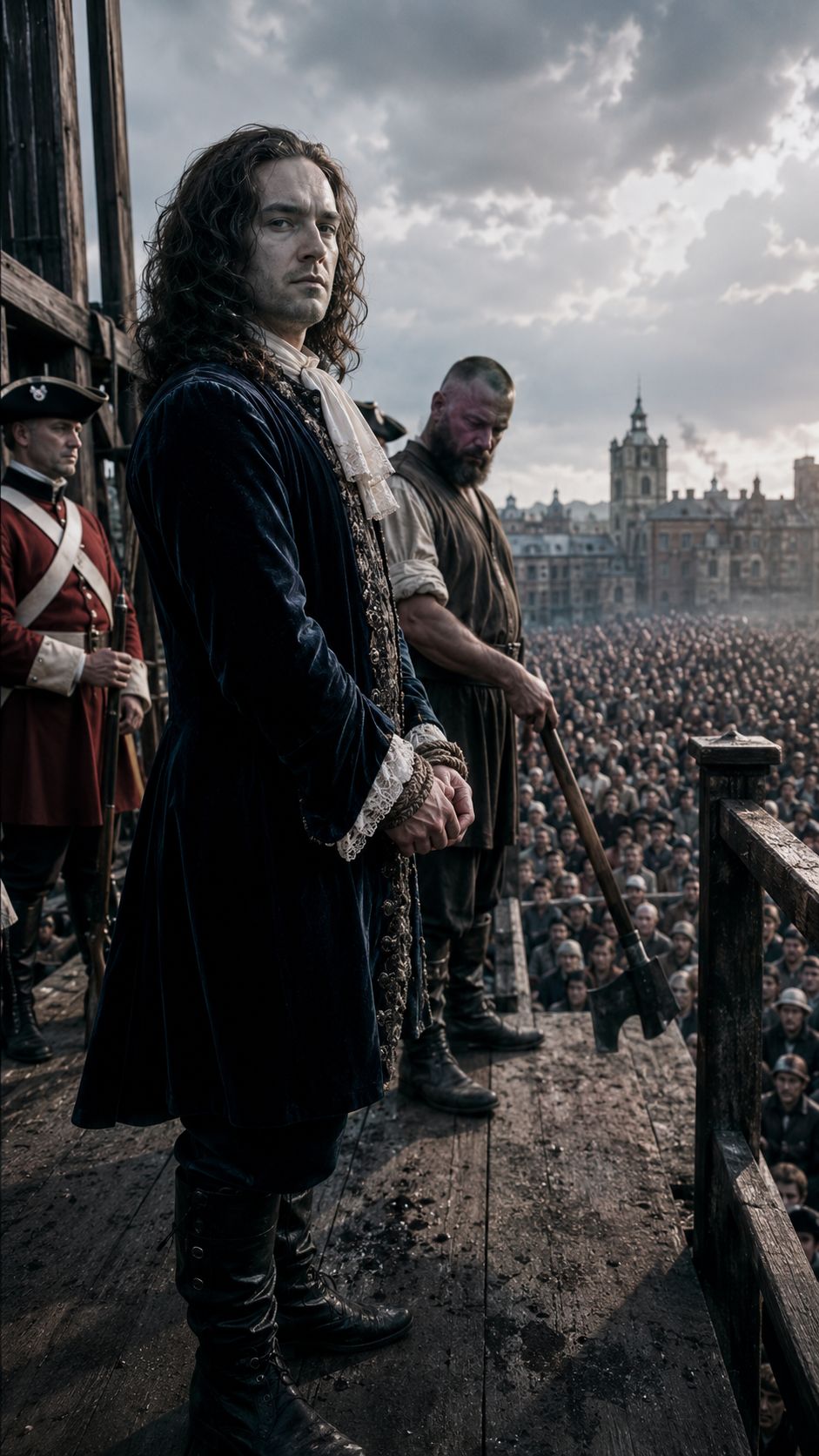
When Henry VIII died in January 1547 his heir, Edward VI, was nine. Power went to the boy’s uncle Edward Seymour, brother of the dead queen Jane Seymour, who made himself Duke of Somerset and Lord Protector. Five years later, on a January morning, he knelt on a scaffold on Tower Hill while a crowd that loved him believed, for a moment, that he had been saved.
The Horror
Somerset’s years in power were unquiet. The 1549 Prayer Book rebellion in the west and Kett’s rebellion in Norfolk, the first provoked mainly by the English-language services and the second by landlords enclosing common grazing land, undermined him. In October 1549 John Dudley, Earl of Warwick, and a group of councillors forced him out and imprisoned him in the Tower. He was arrested on 11 October. He was released and reconciled with Dudley, but in October 1551 he was sent back to the Tower on what is described as an exaggerated charge of treason. He was not convicted of treason. He was executed for felony, for seeking to change the government.
On 22 January 1552 he was beheaded on Tower Hill. The king’s diary records it flatly, between eight and nine in the morning. Two contemporary London chroniclers describe what happened just before. Henry Machyn, an undertaker, wrote that a sudden rumbling was heard, “as if it had been guns shooting”, and that people fell in fear, some into the Tower ditch, and some ran. Charles Wriothesley also describes a sudden panic, with people in the ditch and others running to nearby houses, and says only that the cause is known to God. He adds that Somerset took his death “very patiently”.
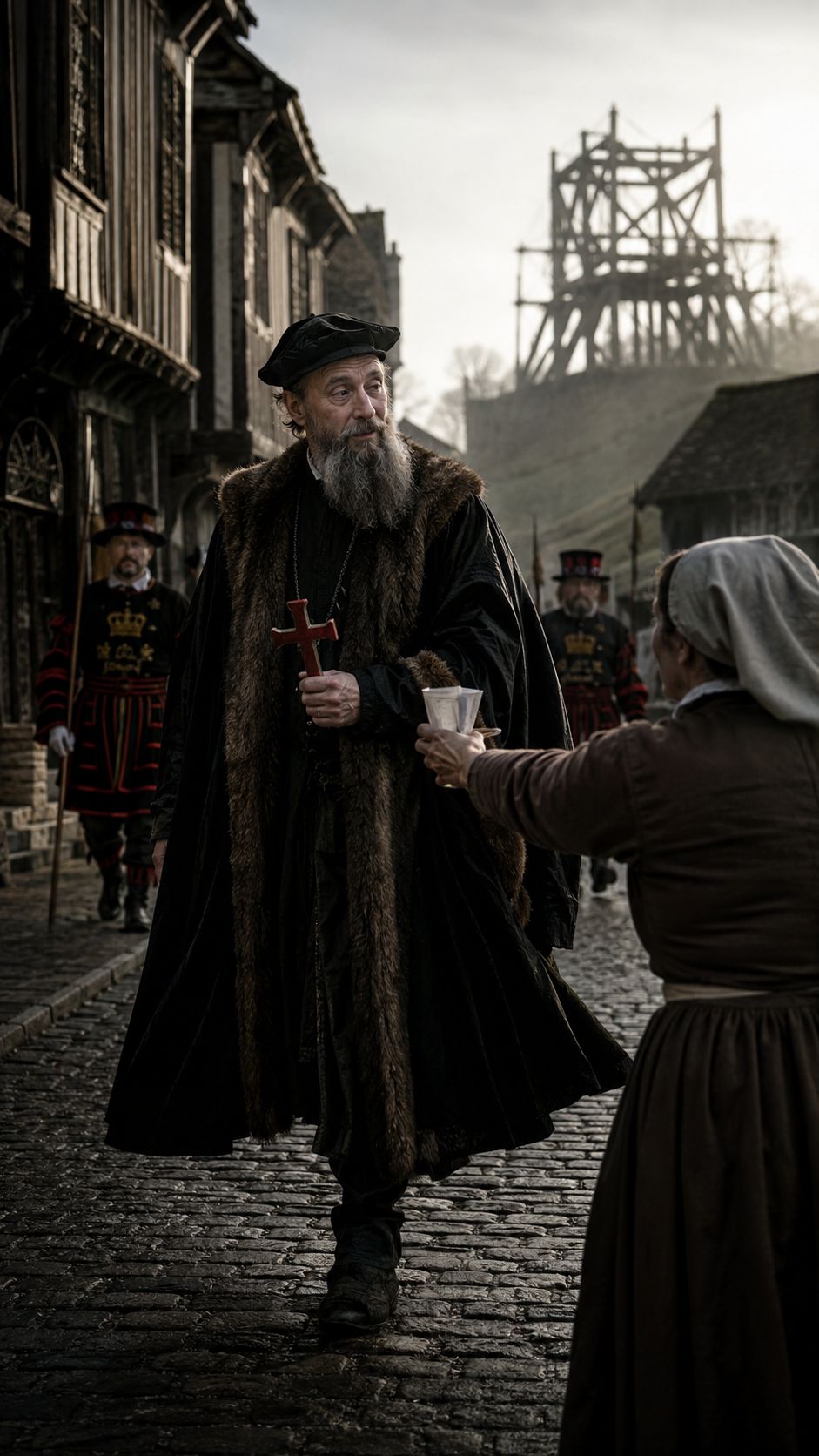
After the stroke, people pressed forward and dipped handkerchiefs in the duke’s blood as keepsakes. The crowd’s affection for him is recorded in more than one account. The night before, Somerset had written lines of scripture in an almanac and signed it “E. Somerset”. He was buried in the Chapel Royal of St Peter ad Vincula in the Tower.
The Legend
The account that gives this story its drama is that the crowd cried out that a pardon had come. The History Press retelling says a rumour spread that Sir Anthony Browne was riding to the scaffold with a pardon, that the crowd shouted “Pardon, pardon is come”, and that the noise was in fact a large guard arriving late and running in with bills and halberds. It says Somerset then asked them to be quiet. That version cites no sources, and neither Machyn nor Wriothesley mentions a cry of pardon or a late guard as the cause of the noise. The panic is firmly recorded. The cry of pardon is plausible, and unconfirmed. Some retellings speak of horsemen arriving, and that detail is unconfirmed.
The Modern Relic
Dudley did not outlast his victim for long. When Edward VI died in 1553 and Dudley, by then Duke of Northumberland, backed Lady Jane Grey against Mary, he was arrested, tried on 18 August 1553 and beheaded on Tower Hill on 22 August 1553. He is also buried at St Peter ad Vincula.
The scaffold site is marked today by a memorial on the western edge of Trinity Square Gardens, just outside the Tower, at or very near where the scaffold stood. Somerset is among the names listed there, from Simon de Burley in 1388 to Lord Lovat in 1747. Inside the Tower, the chapel where he lies is a short walk away.