HMS Bounty sailed to carry breadfruit plants from Tahiti to the British West Indies, in a scheme promoted by Sir Joseph Banks and backed by plantation owners who hoped the crop would cheaply feed enslaved people. The ship is remembered instead for what followed: a mutiny in the Pacific, an open-boat voyage, and a hiding place that killed most of the men who reached it.
The Horror
The Bounty was a small ship, built in 1784 as the collier Bethia and bought by the Navy in 1787. She carried a crew of 46, and Lieutenant William Bligh, who had served as sailing master on Cook’s third voyage, was the only commissioned officer aboard. Storms off Cape Horn drove him to abandon that route on April 17, 1788 and go east. The ship anchored in Matavai Bay, Tahiti, on October 26, 1788 and stayed about five months before leaving on April 4, 1789.
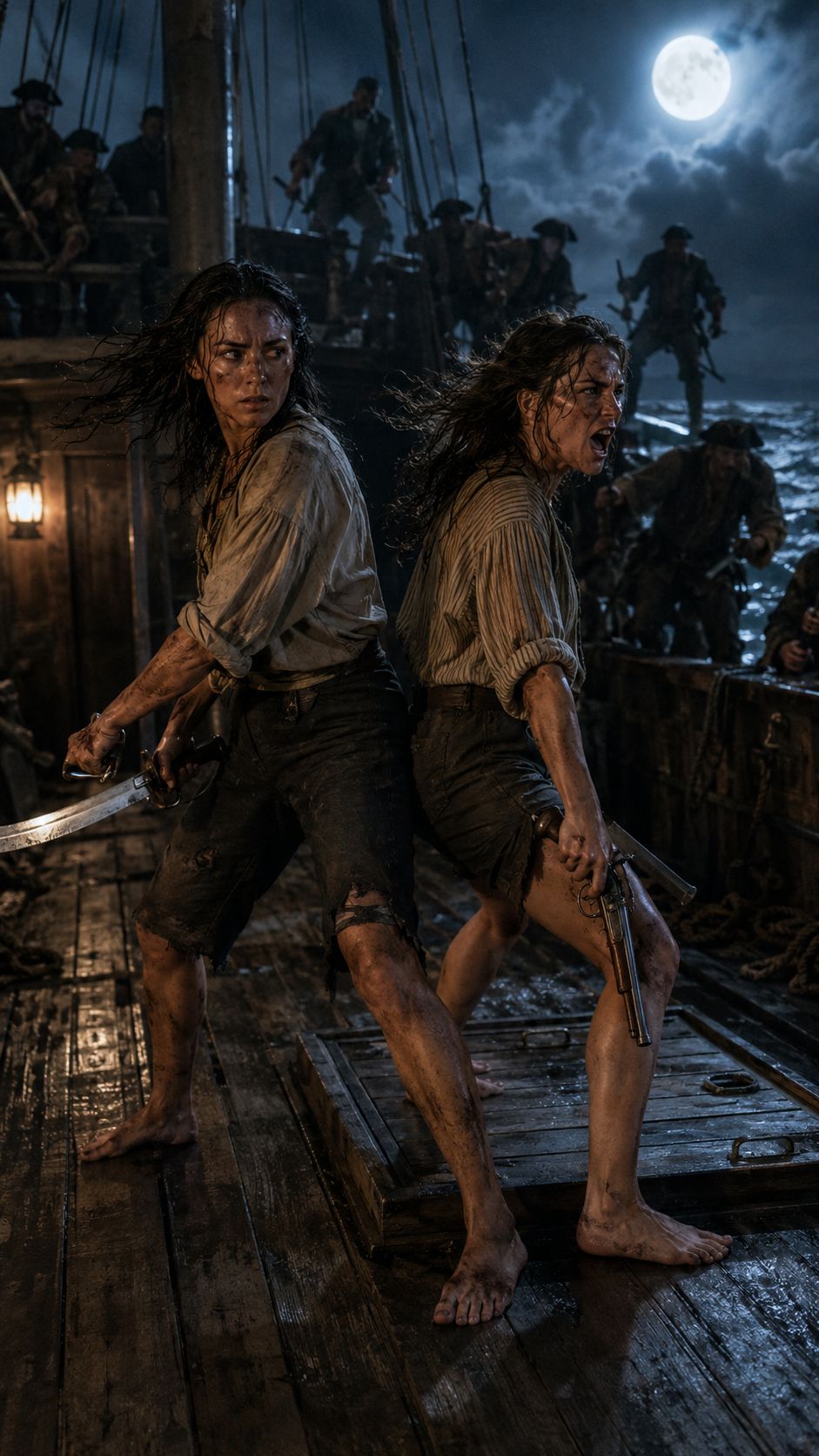
On April 28, 1789, Fletcher Christian, a master’s mate whom Bligh had earlier favoured and made acting lieutenant, led a mutiny. Bligh and 18 loyalists were put into a 23-foot launch with four cutlasses, food and water for about a week, a quadrant and a compass, and no charts. According to Bligh, he appealed to Christian on the strength of their friendship, and Christian answered that he was in hell. A popular account blames a quarrel over missing coconuts for the break between them; that detail is unconfirmed.
Bligh’s treatment of the crew is still argued over. He is described as relatively sparing with the lash by the standards of his time, though some accounts call him a tyrant.
The launch reached Tofua on April 29. Islanders attacked on May 2 and killed John Norton. The party then sailed on to Kupang on Timor, arriving on June 14, 1789, a voyage of 47 days and more than 3,500 nautical miles. Norton was the only one lost on the way, though three more died of sickness at Batavia.
The Navy sent HMS Pandora, which reached Tahiti on March 23, 1791 and took 14 men. She ran aground on the Great Barrier Reef on August 29, 1791, and 31 of her crew and four prisoners drowned. At the court martial that opened on September 12, 1792, three men were hanged on October 28, 1792.
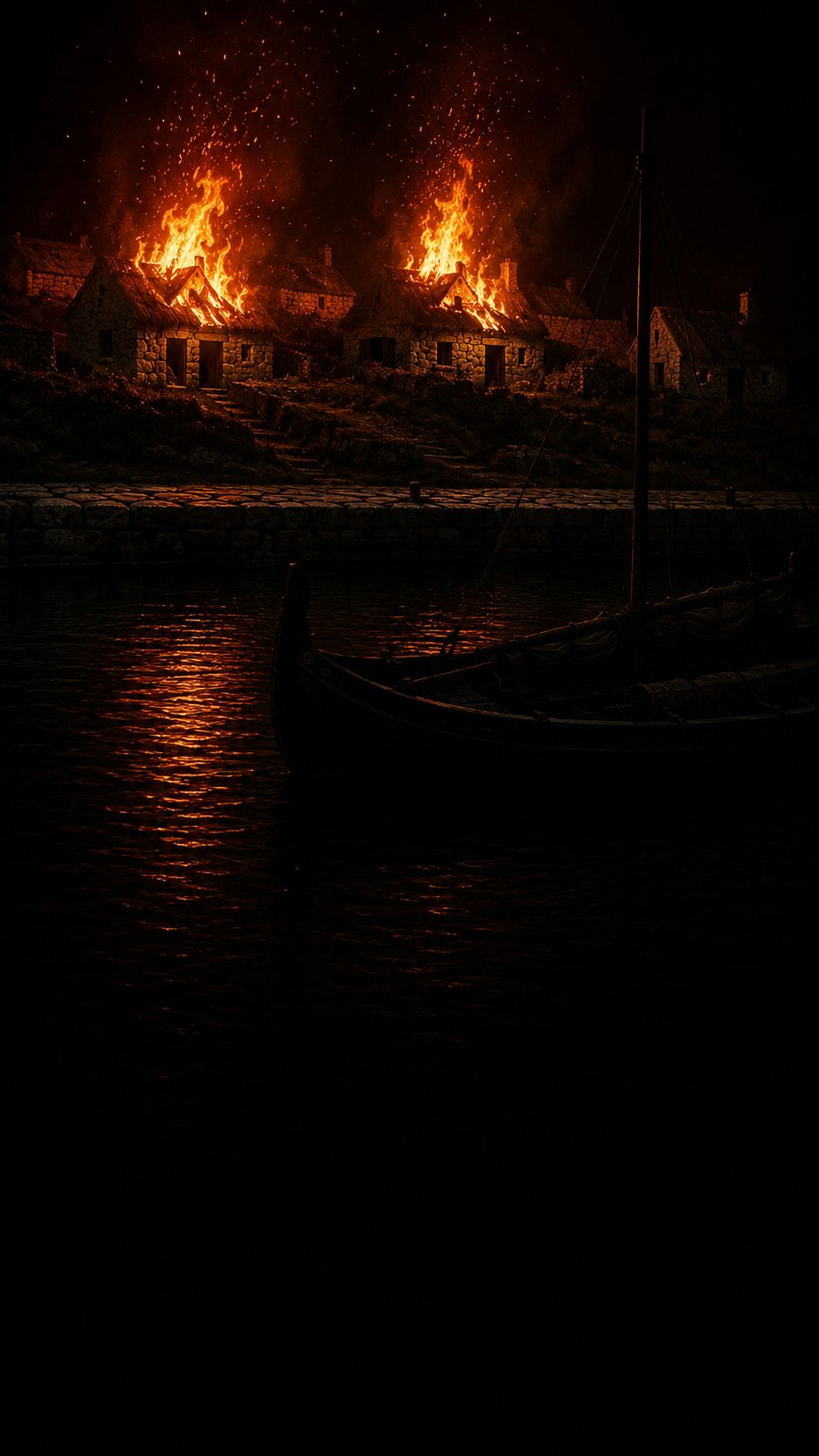
Christian meanwhile took nine mutineers, Tahitian men and women, and a baby girl to Pitcairn, which he rediscovered on January 15, 1790. On January 23, Matthew Quintal set the Bounty on fire. The sources differ on whether that had been agreed.
The colony turned on itself. On or about September 20, 1793, the Polynesian men rose against the mutineers. Several Englishmen died, and Christian, aged about 28, probably among them, though the accounts of his end conflict, and John Adams himself told visiting ships several stories. The women then killed some of the Polynesian men. William McCoy, who had been distilling spirit, died in 1798. Quintal was killed by Edward Young and Adams. Young died of asthma in 1800.
The Legend
The story that Christian was not killed but returned to England, reported by Robert Southey as a sighting around 1803, has circulated for over two centuries. It is rumour. The records do not confirm it. The popular claim that Bligh was a monster is also contested, and the coconut quarrel is unconfirmed.
The Modern Relic
Adams was the sole surviving mutineer, teaching literacy and Christianity from the Bounty Bible to nine women and 19 children. An American sealer, the Topaz, found the settlement in February 1808. Adams died in 1829 and no action was taken against him. Nearly everyone on Pitcairn and Norfolk Island who bears the surname Christian descends from Fletcher Christian. The island’s population was 47 in 2021.
Of the ship, the ballast stones are still partly visible in Bounty Bay. Luis Marden found the wreck in January 1957 and raised an anchor. The rudder, found in 1933, is in the Fiji Museum in Suva, and the last of the Bounty’s four cannon, recovered in 1998, is displayed on Pitcairn.