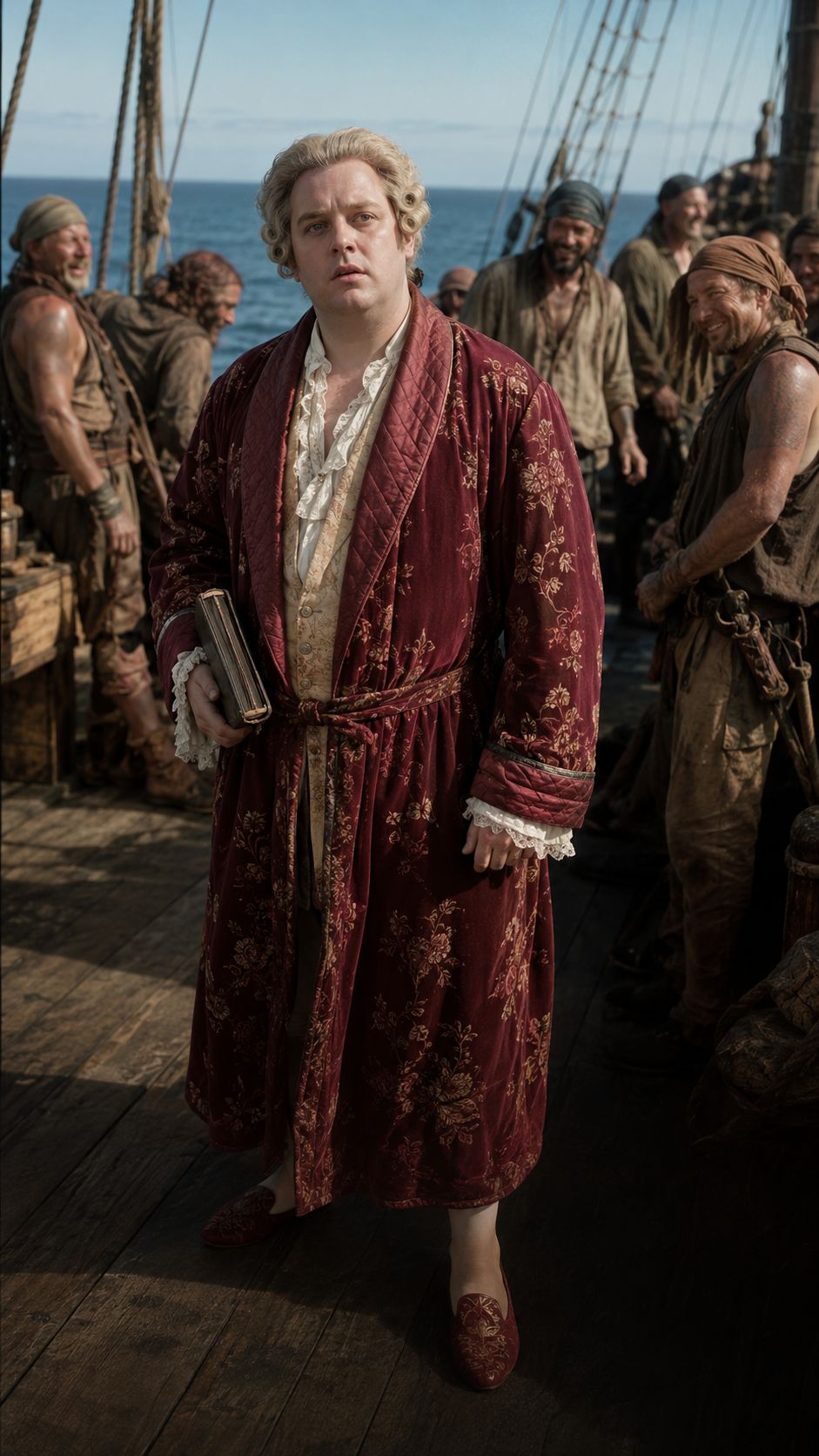
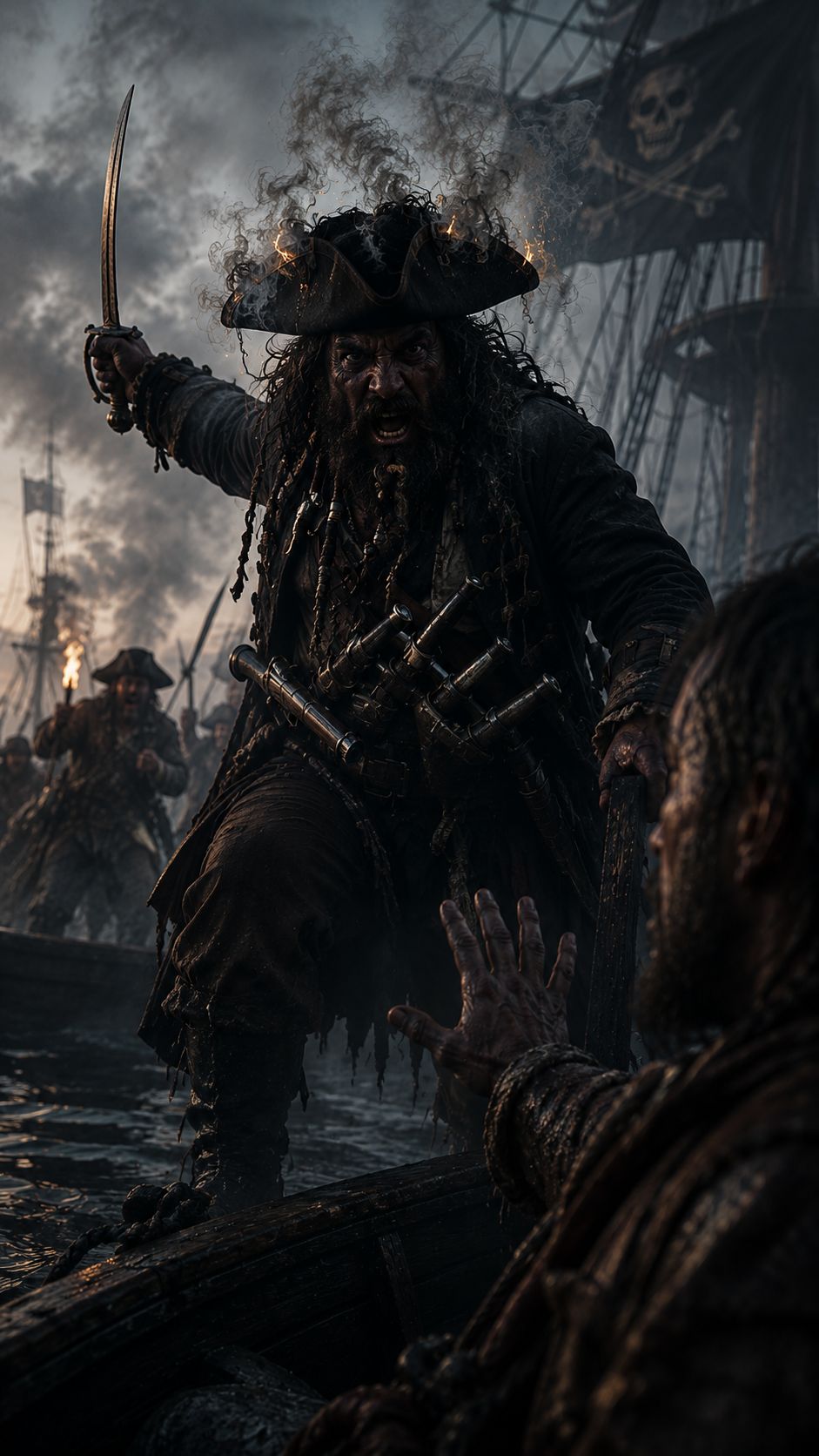
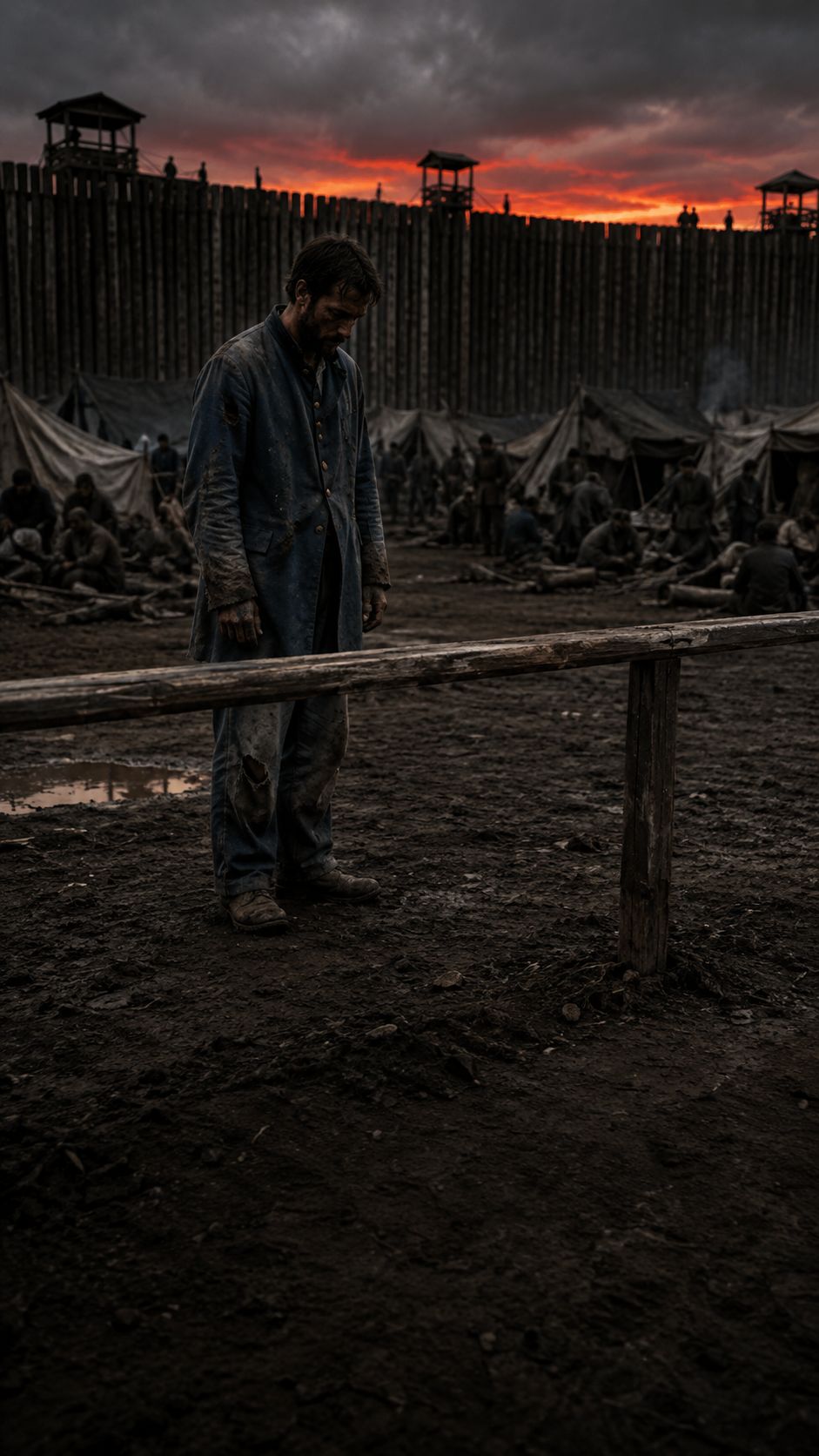
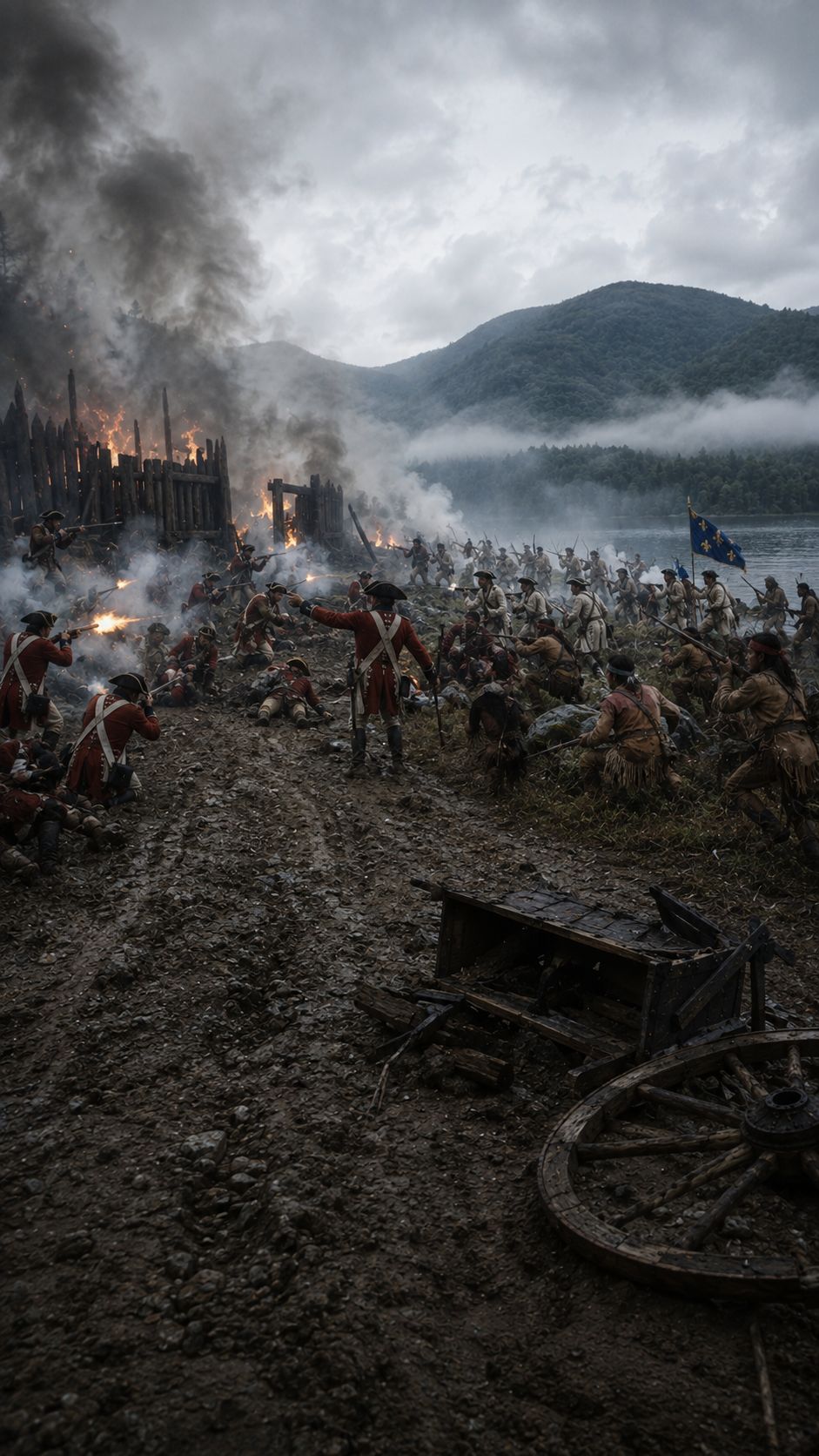
In The Patriot, released in 2000, the villain is a British cavalry colonel named William Tavington. Early in the film he gathers the people of a South Carolina village into their church, bars the doors and sets it alight with them inside. The scene is meant to make the audience hate the redcoats, and it works. It also never happened. The man the character is loosely modelled on did something real enough at the Waxhaws in 1780.
The Horror
Banastre Tarleton was born in Liverpool on August 21, 1754, into a merchant family whose business included the West Indian sugar trade and slaving ships. In 1780 he was in his mid-twenties, leading the British Legion, a force of Loyalist cavalry and mounted infantry in the southern campaign.
On May 29, 1780, at the Waxhaws on the South Carolina border, Tarleton caught up with a column of Virginia Continentals under Colonel Abraham Buford. Sources differ on the numbers. Buford had about 350 to 380 men, and Tarleton’s strength is given as anything from about 150 to some 270 mounted men plus a small gun. The Americans were broken. One account puts American losses at 113 killed, 150 wounded and 53 captured out of about 420, against five British dead and twelve wounded. Another tally gives 113 killed, 203 captured and 150 severely wounded. Whatever the exact count, the American dead and wounded far outnumbered the British.
What happened in the minutes around the surrender is the heart of the dispute. Robert Brownfield, a surgeon’s mate on the American side who wrote his account about forty years later, said Buford raised a white flag and that Tarleton’s men kept cutting at men who had thrown down their arms. Tarleton’s own history, published in 1787, calls the action a “slaughter”. He says his horse was shot under him, that his men believed him dead, and that they showed a “vindictive asperity not easily restrained”. Accounts of the battle also note that Tarleton did not order an attack on surrendering men. Even the order of events, whether Buford refused to surrender and fought on or whether the surrender came first, is disputed.
The Americans settled the argument in their own language. “Tarleton’s quarter” became a name for no quarter given, a killing after surrender. The phrase stuck to him for the rest of the war.
The Modern Relic
The film’s church fire has no known counterpart in the Revolution. The historian Bill Segars found no record of British troops burning a church full of civilians, though British and Loyalist forces did burn some empty churches. The editor of American Heritage, Richard F. Snow, said of the scene, “Of course it never happened.” The Salon writer Jonathan Foreman argued it was borrowed from Oradour-sur-Glane, where on June 10, 1944 a Waffen-SS company killed 642 villagers, driving the women and children into the church and burning it. That origin is an argument, not a confirmed fact about the screenwriters’ intent.
Tavington is invented, and he is not a portrait. He is an aristocrat without money, where Tarleton came from a rich merchant family, and he dies impaled in battle. Tarleton died in England in 1833, aged 78, a general, a baronet and a member of Parliament. Screenwriter Robert Rodat has said only that the character is loosely based on him. Liverpool City Council nevertheless demanded a public apology for what it called the film’s character assassination.
The place where the real killing took place is quieter than either story. The Waxhaws battlefield, near Lancaster, South Carolina, is a local park, with a monument and a mass grave. It was listed on the National Register of Historic Places in 1990 as Buford’s Massacre Site, and the American Battlefield Trust had saved 51 acres of it by 2023.