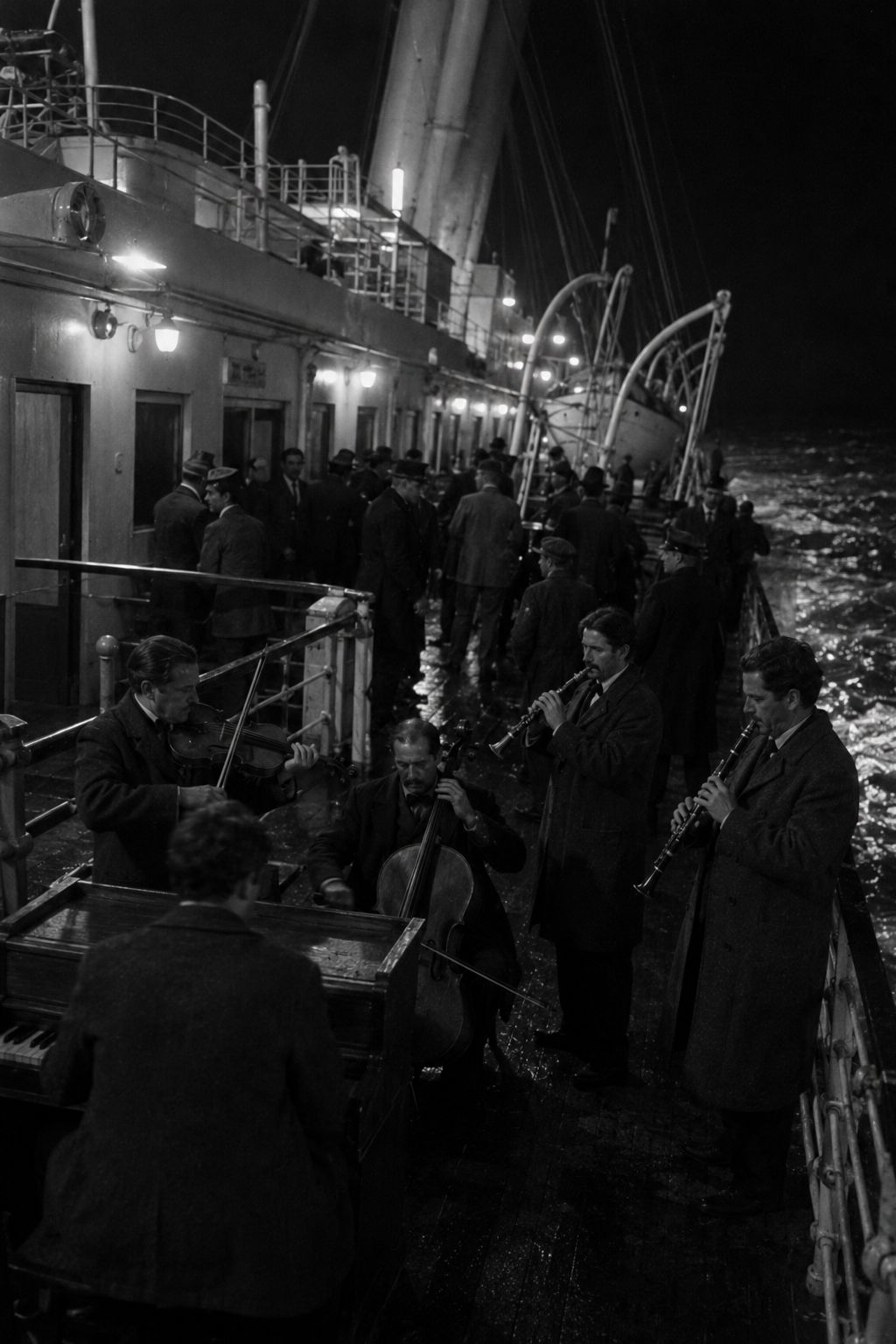
The SS Arctic was the pride of the Collins Line, an American company set up to challenge the British on the Atlantic run between Liverpool and New York. Built as a wooden paddle steamer of about 2,800 tons, she entered service in 1850 and under Captain James Luce was known as the “clipper of the sea.” In September 1854 she became the ship in which, by the surviving accounts, not one woman or child lived.
The Horror
The Arctic left Liverpool about midday on September 20, 1854, bound for New York. A week later, around noon on September 27, she was in thick fog about 50 miles south-east of Cape Race, Newfoundland, when she was struck by the Vesta, a much smaller French iron steamer.
At first the damage seemed to fall on the other ship. The Vesta’s bow was badly crushed, but her watertight bulkheads kept her afloat and she reached St John’s. The Arctic had no such compartments. Luce was told that his ship was holed below the waterline, attempts to plug the leaks failed, and the sea put out the boilers. She sank some four hours after the collision.
The Arctic carried six lifeboats with a combined capacity of about 180, for roughly 400 people. Estimates of the number aboard vary between sources, from about 230 to 280 passengers and about 150 crew. As the ship went down, discipline broke down. Crew and able-bodied male passengers took most of the places in the boats, and the idea that women and children should go first was ignored. Two boats reached the Newfoundland shore, one was picked up at sea, and three were never seen again.
The loss of life is the documented core of the story. Eighty-eight people are generally accepted as having survived: 64 crew and 24 male passengers. More than 300 died, although estimates range from at least 285 to possibly 372, and the highest figure sometimes quoted, 562, is regarded as inflated. Every woman and child aboard was lost. Edward Collins, the owner of the line, lost his wife and two of his children. Several members of the Brown family, whose bank helped finance the line, were also lost. The engineer Stewart Holland is recorded as staying at his post firing a signal gun until the end.
Luce went down with the ship and survived. He clung to wreckage from a paddle-box for two days before the sailing ship Cambria found him, along with nine others. His eleven-year-old son Willie, who was partly disabled, had been with him and was killed when a section of the paddle-box struck him as the Arctic sank.
News reached New York about two weeks later, and public grief turned to anger at the crew. Newspapers, including the New York Times in December 1854, called for an official inquiry. None was held and no one was held to account. Proposals to require lifeboat space for everyone on American steamers were not adopted, and the requirement did not arrive until after the Titanic, 58 years later.
The Legend
The story is often told as an unbroken law of the sea, “women and children first,” that the Arctic’s crew shamefully betrayed. The documented part is narrower: the boats were too few, order failed, and the men who took them lived. Individual details of the final minutes, including exact words spoken by passengers and crew, differ from account to account and are not firmly established here.
The Modern Relic
Luce never went to sea again. He worked as a ship inspector for a marine insurance company until his death in 1879, and his obituary said his later years were embittered by the disaster.
The Collins Line did not outlive the Arctic for long. Its steamer Pacific vanished in January 1856 with everyone aboard, and after the government cut its subsidies the company ceased business in early 1858.
One monument survives in stone. James Brown, president of the Brown Brothers bank and of the Collins Line, raised an elaborate memorial in Green-Wood Cemetery in Brooklyn for six family members who drowned. Their names are on the pedestal, and the sculpture includes a depiction of the Arctic going down.