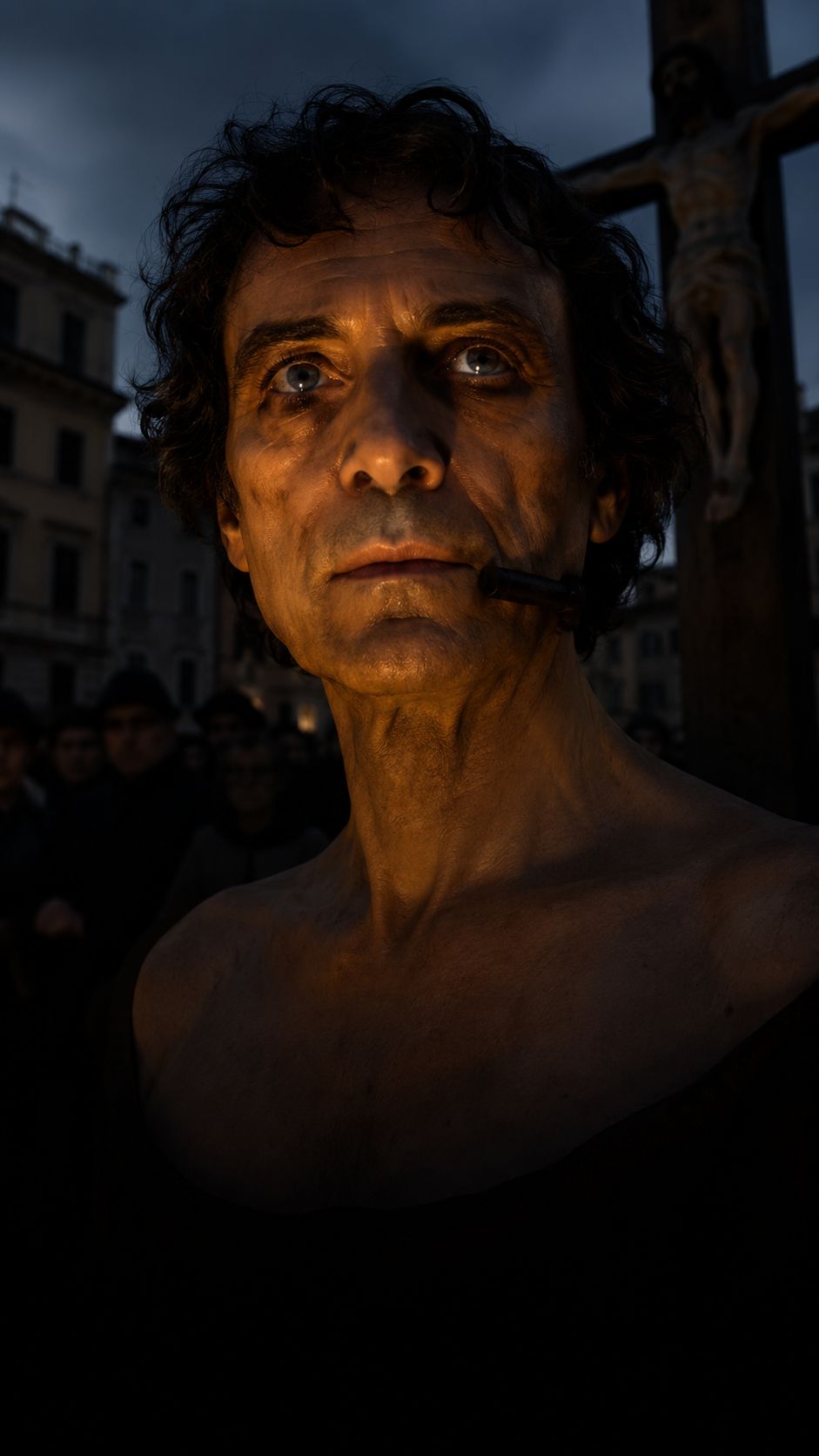
Thomas Aikenhead was a student at the University of Edinburgh, baptised on March 28, 1676, the first son of a family of three daughters and one boy. He was hanged on January 8, 1697, at the age of twenty. He is the last person executed for blasphemy in Great Britain.
The Horror
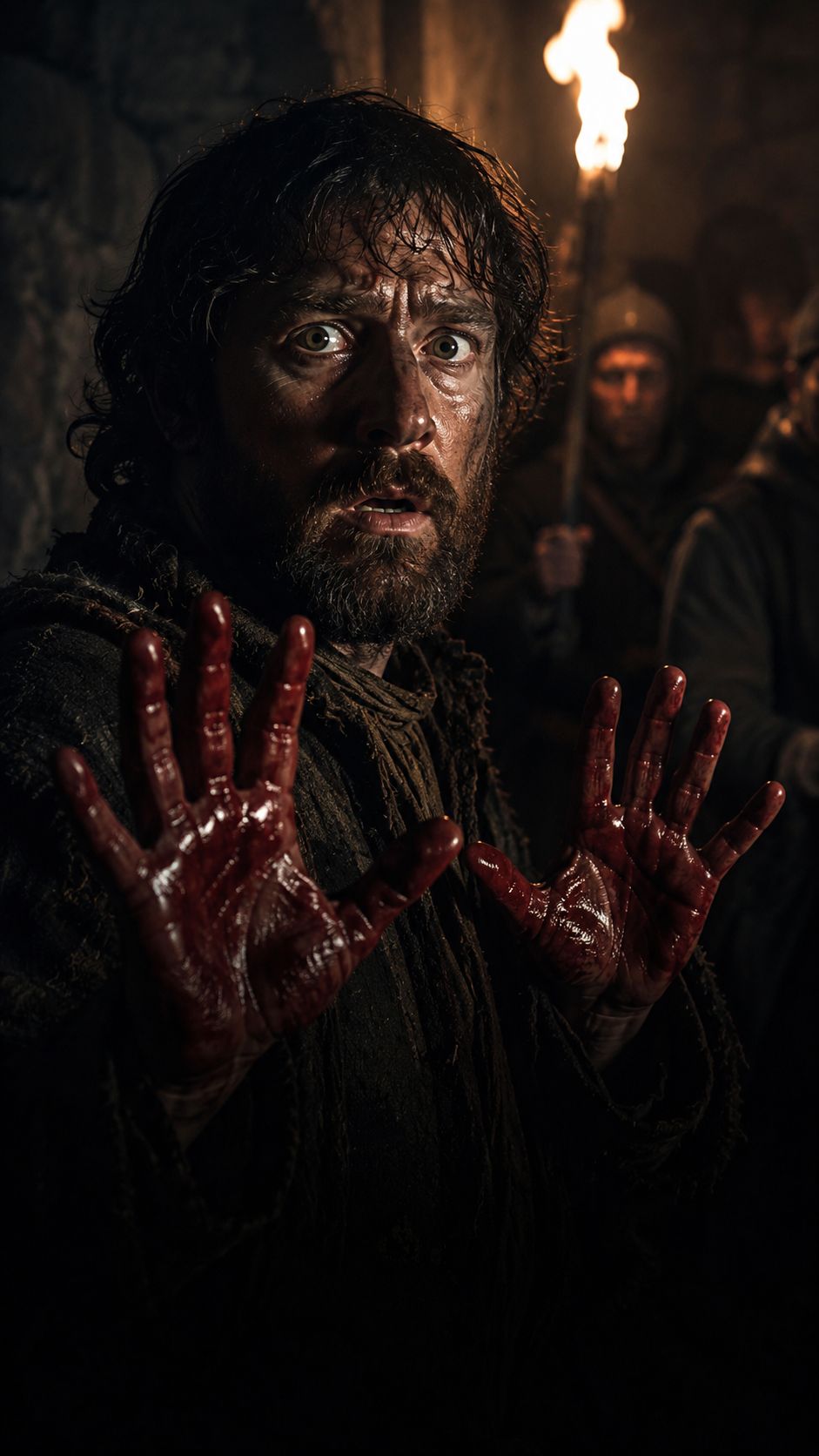
Aikenhead spent about a year arguing about religion with the people around him. The prosecution later set out what they said he had claimed: that theology was a rhapsody of ill-invented nonsense, that the Scriptures were full of contradictions, that the Trinity and the divinity of Christ were false. Executed Today records him calling the Old Testament “Ezra’s fables” and Christ an impostor. One story of the spark has him remarking in August 1696, while out walking with friends, that he wished he were in hell, where it would at least be a little warmer. That comes from a local-interest blog and not from the trial papers, so treat it with caution.
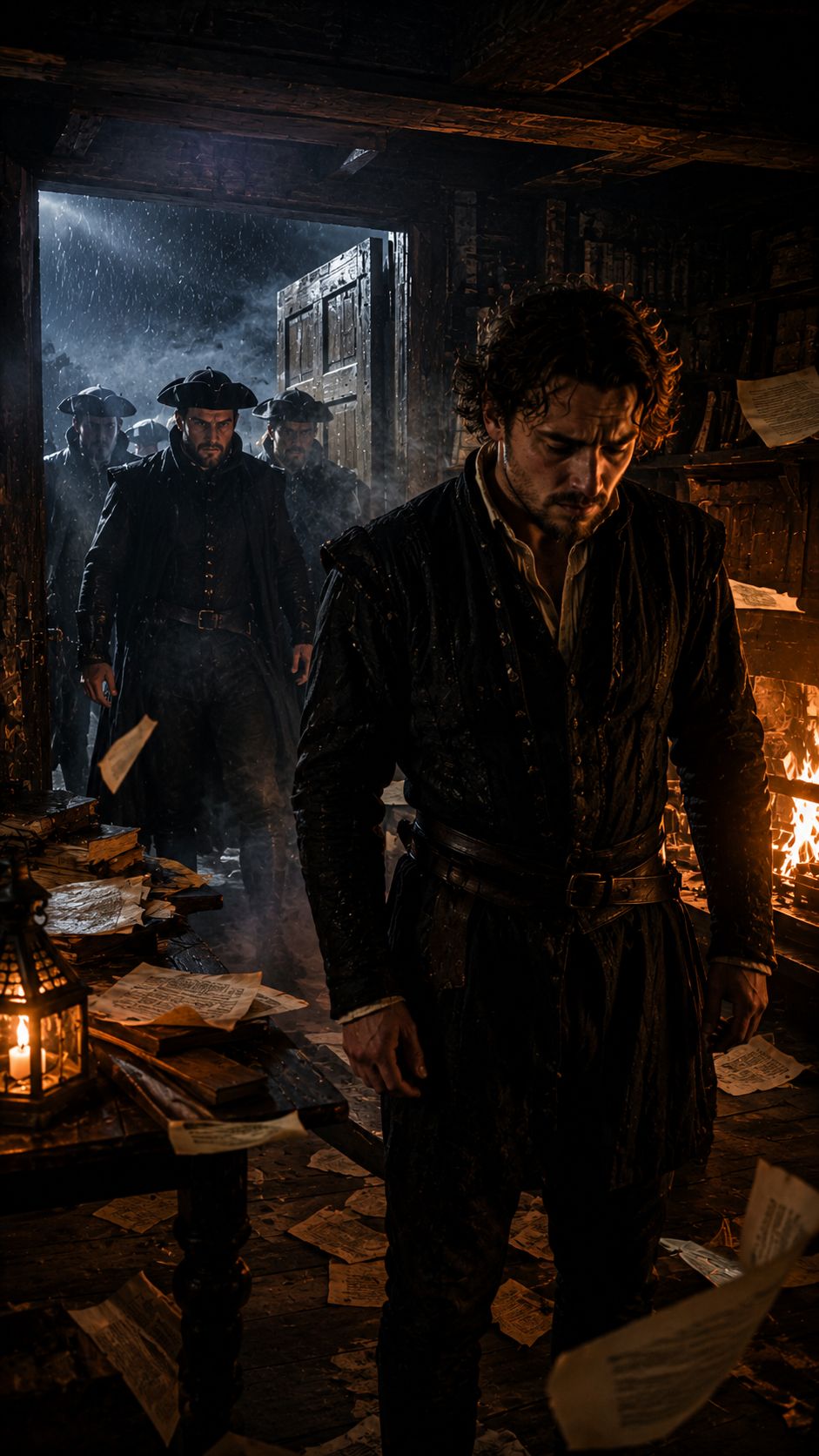
His friends were the ones who gave him up. The witnesses named in the State Trials were Adam Mitchell and Patrick Midletourne, both students, John Neilsome, a writer, and Mungo Craig, a student, with John Potter, another student, agreeing but adding nothing of his own. He was called before the Scottish Privy Council on November 10, 1696, and indicted the following month.
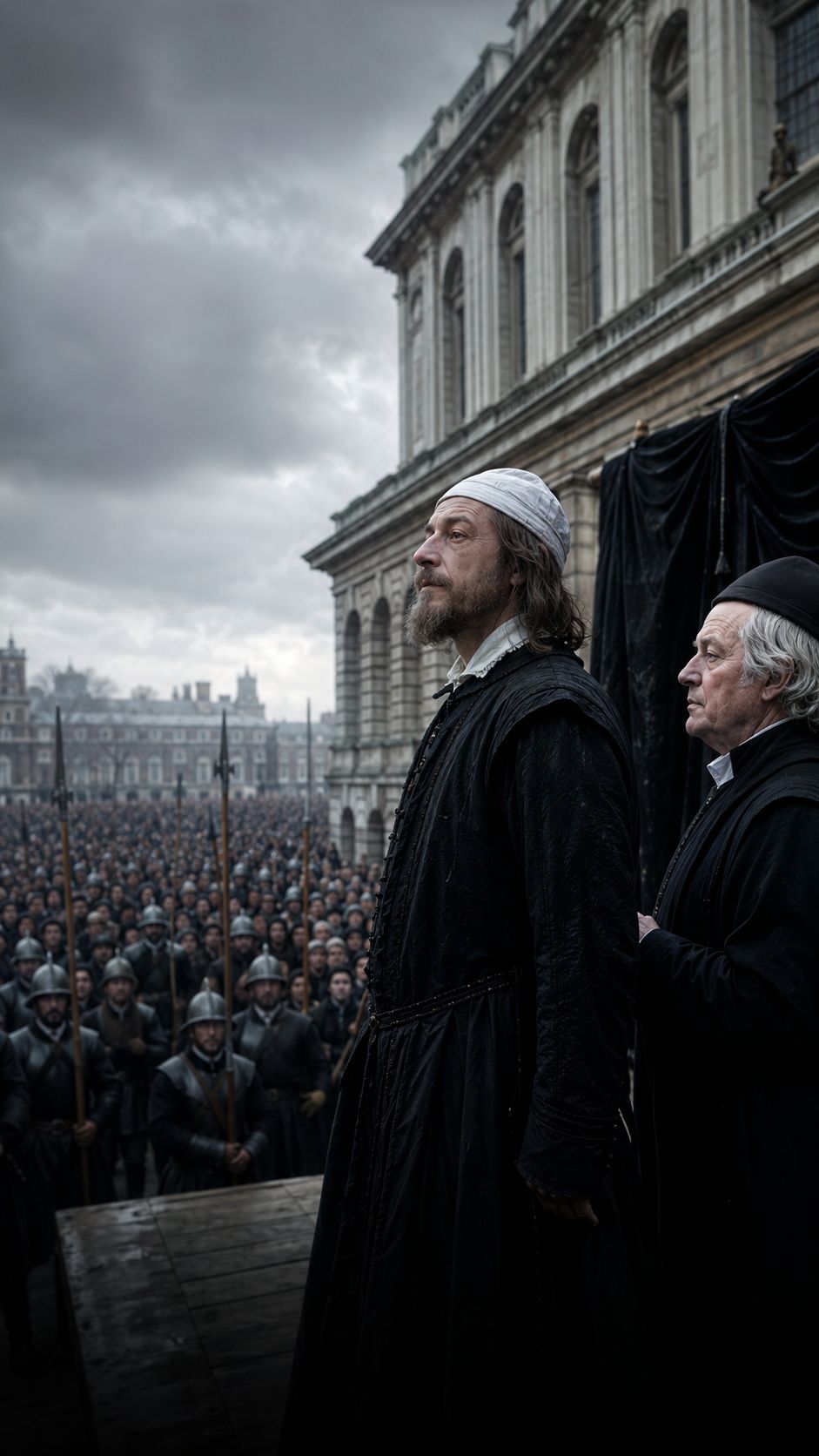
Scotland’s law of the time was brutal. An act of 1661 made blasphemy a capital crime, and a newer one of 1695 softened the penalty, reserving death for a third offence. The Lord Advocate, Sir James Stewart, pressed for the harsher outcome anyway, to make an example. Aikenhead had no lawyer, and no record of his defence survives. The jury found him guilty on December 24, 1696 of cursing God, denying the Incarnation and the Trinity and scoffing at the Scriptures. The sentence was hanging, “to the example and terror of others to committ the lyke in tyme coming.”
He pleaded that it was his first offence and that he was young. According to the accounts that survive, the Council said it would not reprieve him unless the Church asked it to. The Church did not. Instead the General Assembly is reported to have urged “vigorous execution”, and on January 7, 1697 the Council refused any reprieve. Two ministers and two councillors are said to have spoken for him without success. The accounts disagree on whether he recanted in his last days, and if so how sincerely. Hill, cited by Wikipedia, has him dying with a Bible in his hand “with all the Marks of a true Penitent.”
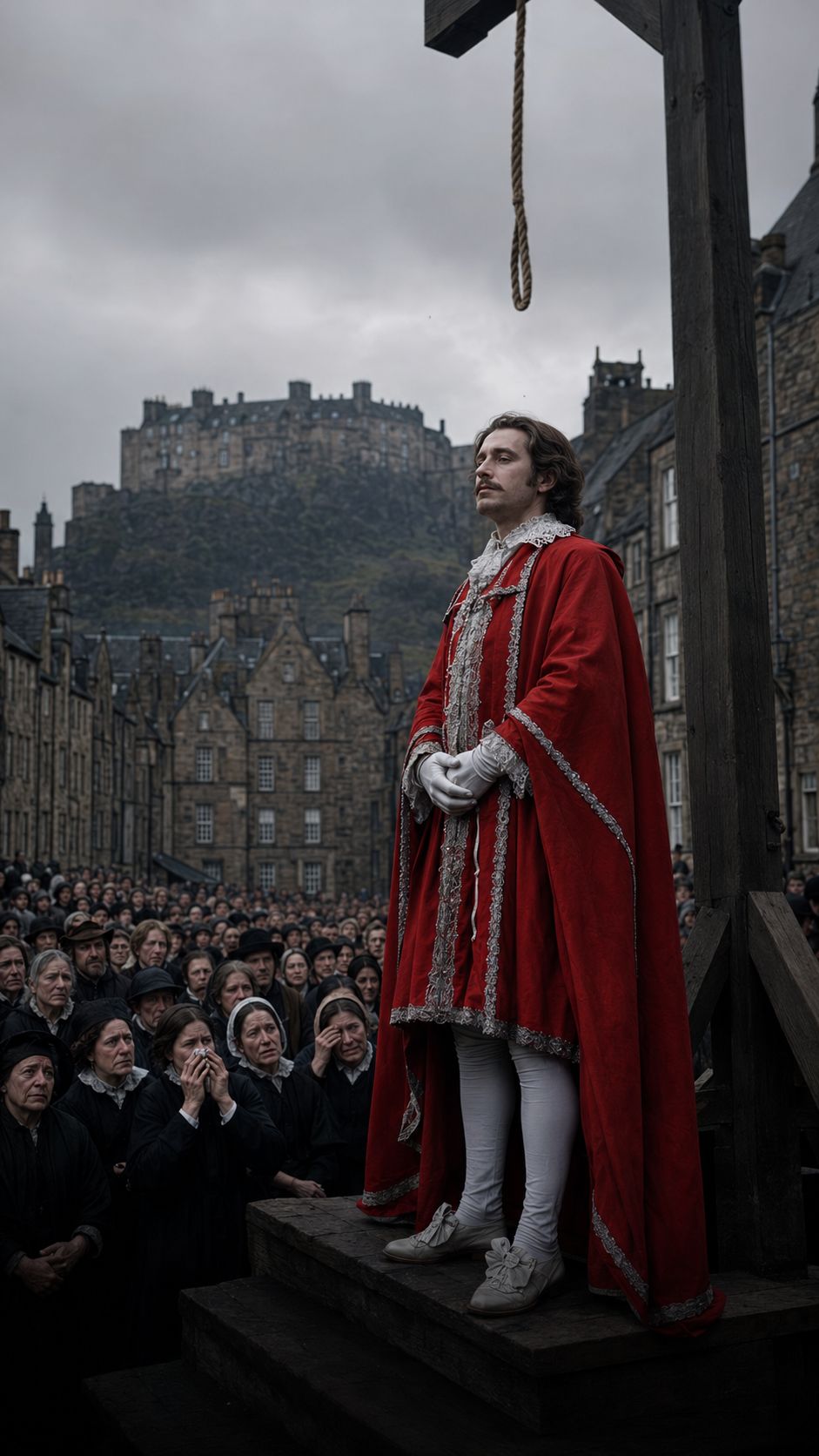
On the morning of January 8 he was taken from the Tolbooth on the High Street and walked, between two lines of fusiliers, along the road to Leith, a distance of about two miles. He was hanged at the Gallowlee. Before he died he wrote to his friends and parents, calling his words “the last words of a dying person.” A paper attributed to him on the Humanist Heritage page says that God, the world and nature are one thing and that the world was from eternity, which is as close as the record gets to his creed. At trial he is reported to have said that the more he thought about religion, “the further I was from finding the verity I desired.” No firm account of any spoken last words has been found.
Thomas Babington Macaulay, writing in the following century, claimed that the preachers at the gallows prayed in a more blasphemous manner than anything Aikenhead had said. Historian Michael Hunter has called him as complete a freethinker as any in early modern Europe. Scotland kept blasphemy as a capital offence until 1825.
The Modern Relic
The Gallowlee (“field with the gallows”) stood by the road between Edinburgh and Leith, at Shrubhill just south of Pilrig, in what is now the line of Leith Walk. John Adair’s map of 1682 shows the gallows on that road. Other men were hanged there, including five Covenanters in 1681. Nothing of it survives, and the coordinates on this page are an approximation of the area and not a precise location. The one monument in the district is a pair of Victorian tram cable wheels installed in 2023, which have nothing to do with the gallows.
No plaque or statue marking Aikenhead’s death has been confirmed. In 2016 a petition to the City of Edinburgh Council asked for a statue “where he died”. It was open from May 5 to September 1, 2016, drew 21 signatures, and the council page records no decision. His memory has lived on in other forms: the 2016 play I Am Thomas, the Scottish Secular Society’s Aikenhead Award, and novels including Dilys Rose’s Unspeakable and Heather Richardson’s Doubting Thomas, both from 2017. The Tolbooth where he was held stood near the Heart of Midlothian mosaic on the High Street, and you can still stand there.
A local tradition about the gallows ground, and plainly legend, says the sand there was so full of bones from burials at the foot of the gallows that New Town builders dug it up and sold it. It concerns the Gallowlee in general and says nothing specific about Aikenhead.