James I of Scotland was a king who tried to govern hard, and in the winter of 1436 to 1437 a group of nobles decided to kill him. The attack happened at the Blackfriars monastery in Perth, where the king and queen were lodging during a general council. The skeleton of the story is well established. Much of the detail that makes it famous, the blocked drain and the girl who held the door, comes from tradition and is flagged below.
The Horror
On the night of 20 to 21 February 1437, a band of about thirty men led by Sir Robert Graham entered the friary. Graham had earlier tried and failed to arrest the king at a council in Perth in 1436. The instigator is named as the king’s uncle, Walter Stewart, Earl of Atholl, and Atholl’s grandson, Robert Stewart, the king’s chamberlain, let the attackers in. One account says he had removed the bars from the doors of the royal apartments.
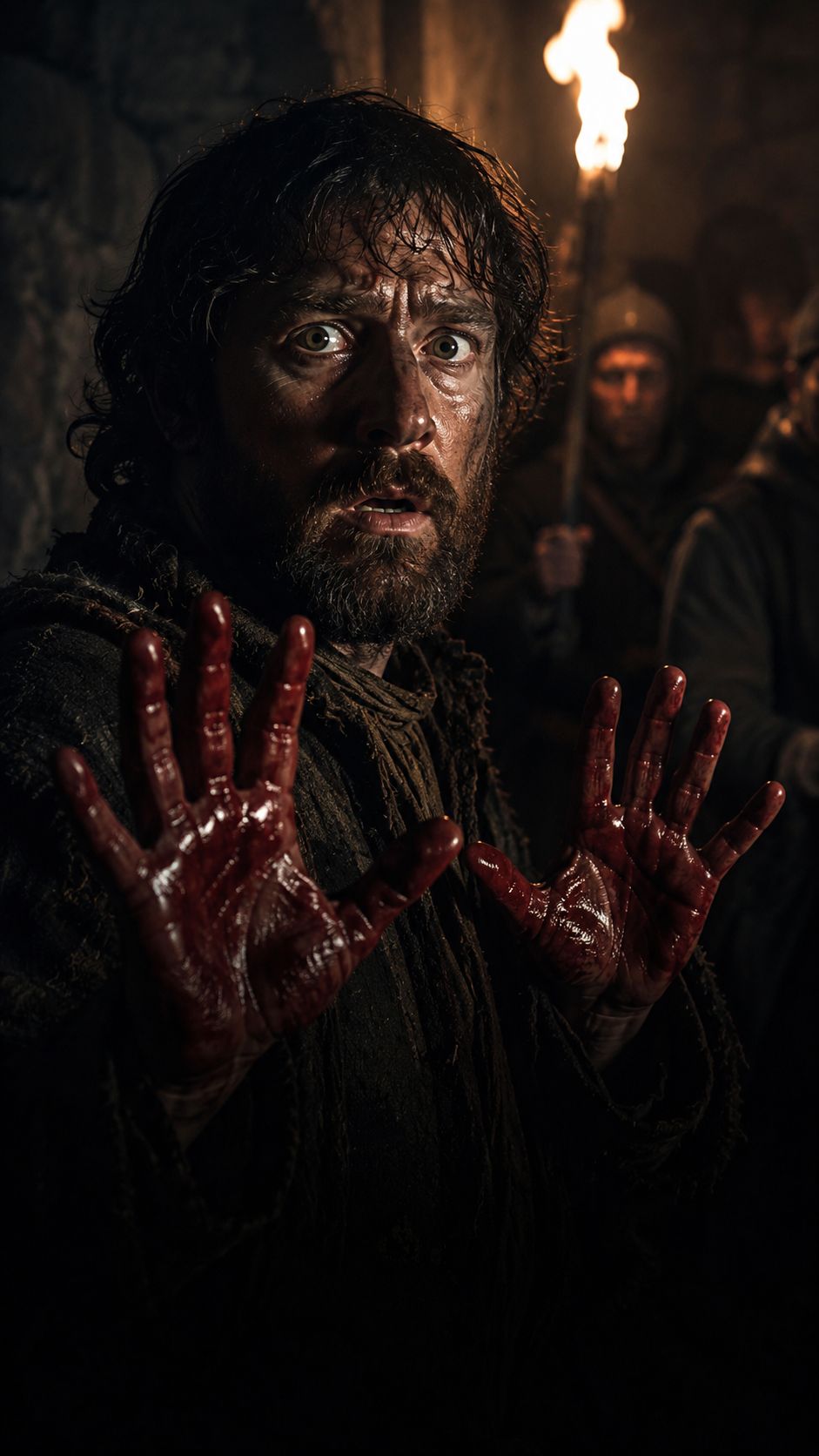
The king was alerted and hid in a sewer tunnel under the building. The exit had recently been blocked off, so he could not escape. The best-known explanation is that the outlet was stopped up to prevent tennis balls from being lost. That detail is an anecdote, not a confirmed fact. One account has Graham finding James under the floorboards and killing him himself. Queen Joan was wounded but escaped. Her six-year-old son, the future James II, was in Edinburgh Castle. The attack failed to seize the government.
Two main sources for the killing are John Shirley’s narrative, The Dethe of the Kynge of Scotis, and the chronicle of Walter Bower. Accounts of the murder were shaped by competing propaganda afterwards, so the fine detail is uncertain.
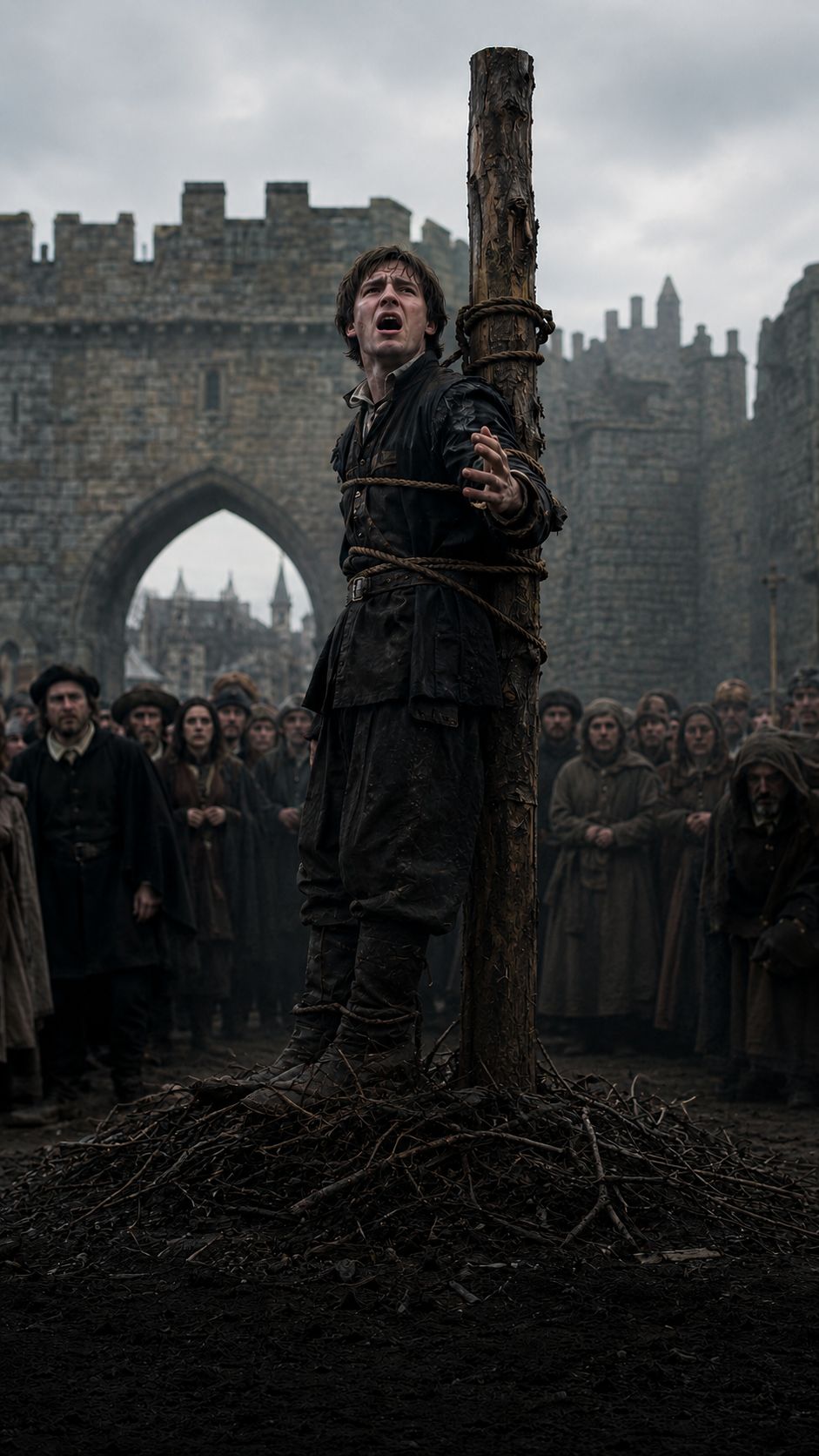
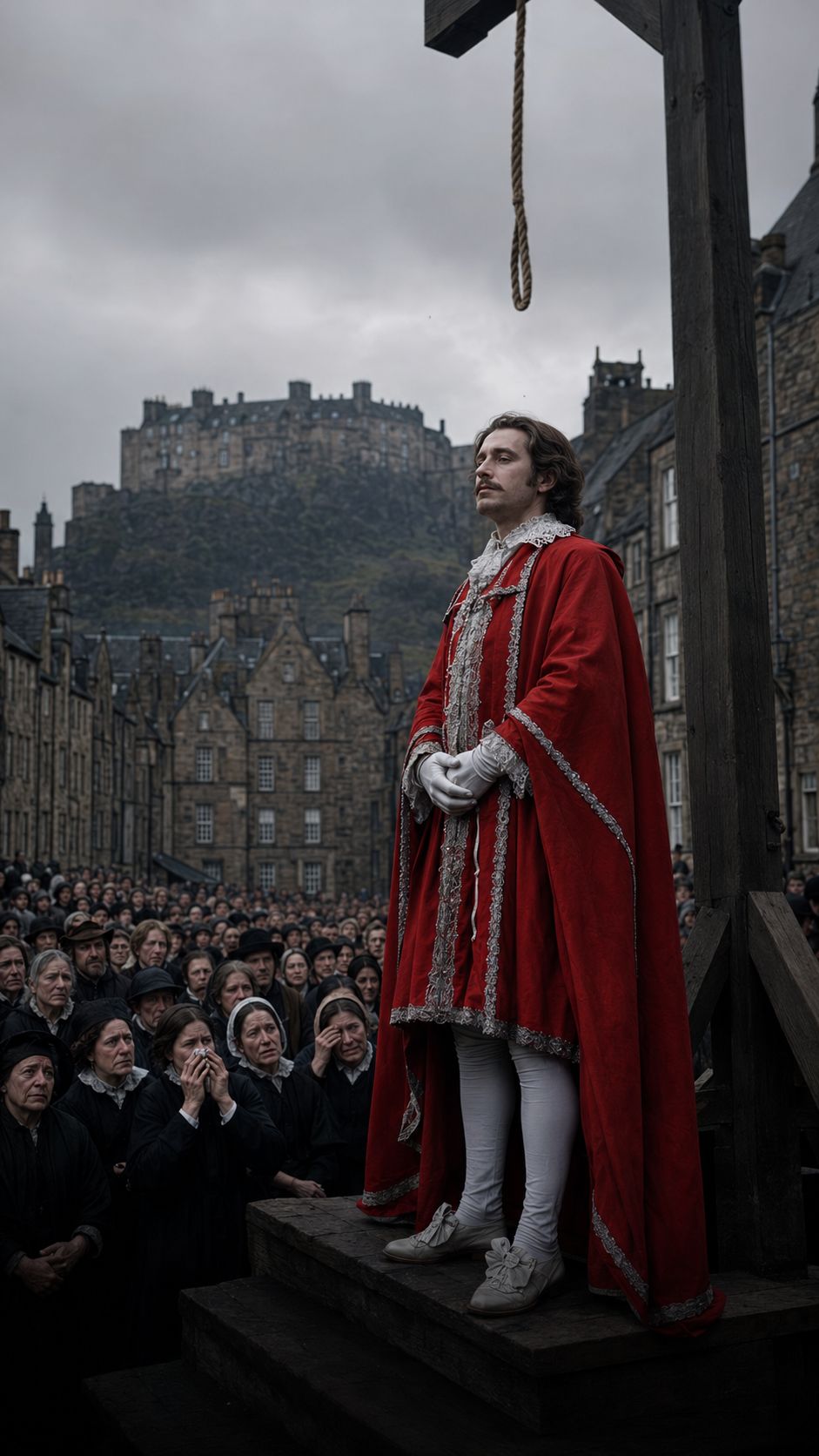
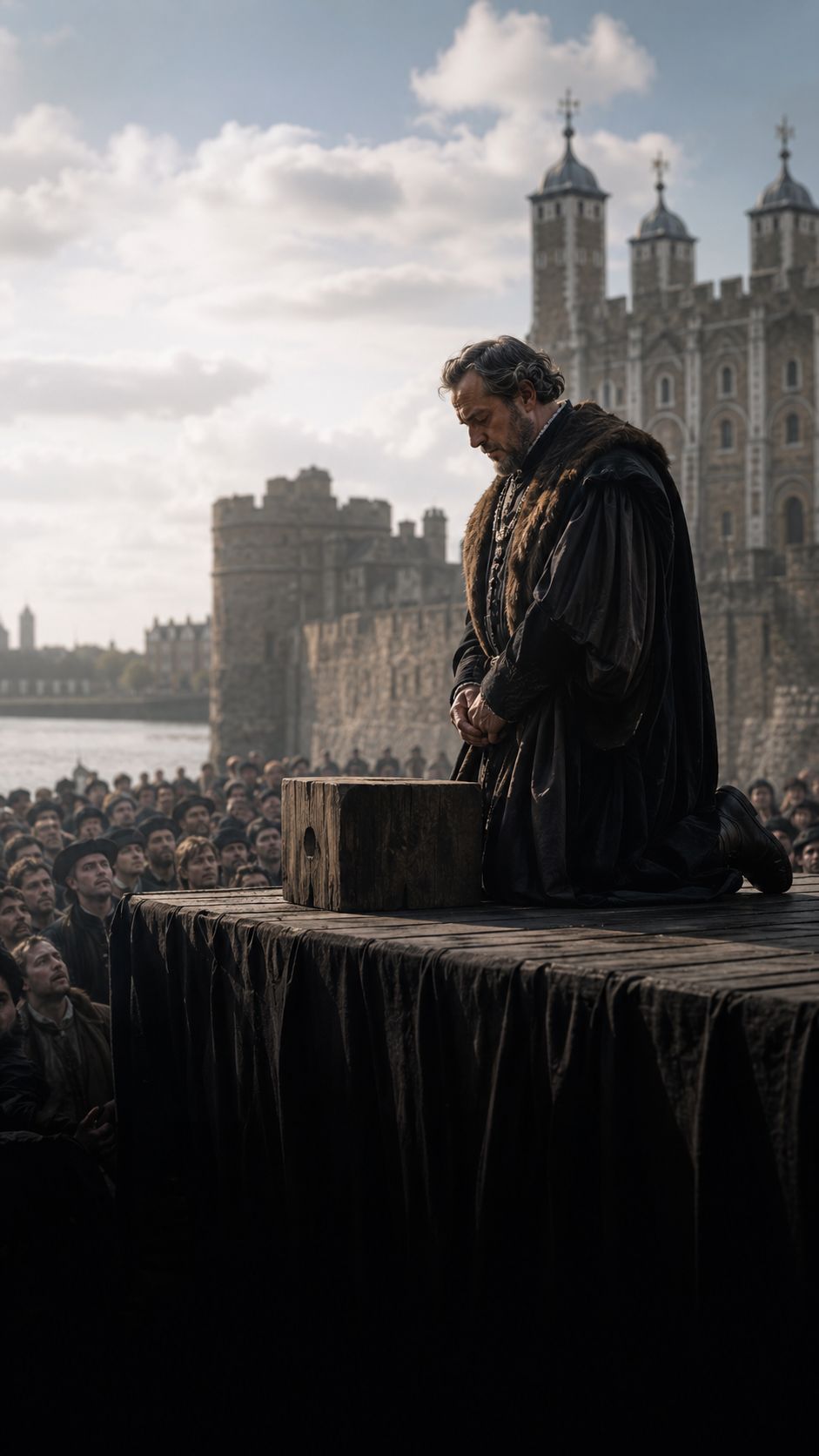
The consequences for the conspirators were severe. Atholl is recorded as dying on March 26, 1437, at about seventy-seven. One account has him beheaded at the Tolbooth in Edinburgh. Another describes a three-day ordeal in which he was mocked with a crown of burning iron inscribed “King of all Traitors” before he was disembowelled and quartered. The two accounts are inconsistent, and the details of the longer account are unconfirmed. Graham was captured, tried at Stirling and executed shortly after April 9, 1437.
The Legend
The best-known figure in the story is Catherine Douglas, a lady-in-waiting to the queen. According to tradition, the bolt had been removed from the chamber door, so she put her own arm through the staples to bar it. The attackers broke her arm and forced the door. The tale gives her the surname Barlass, and it is said to be the origin of the phrase “Katie, bar the door”, though that connection is uncertain. Catherine Douglas is not part of the documented narrative of the killing. She is attached to the story through tradition and later literature, notably Dante Gabriel Rossetti’s 1881 poem The King’s Tragedy and May Wynne’s 1905 novel A King’s Tragedy. Treat the broken arm as legend.
The Kingis Quair, a long poem of love, is his best-known literary work and is traditionally credited to him.
The Modern Relic
The Blackfriars friary no longer stands. Reformers attacked it in 1543 and again on May 11, 1559, and in 1569 its property was granted to the burgh. Its approximate site is in Perth, and a section of its southern wall, identified in 2006, is also the northern wall of the Fair Maid’s House.
James was buried at the Charterhouse, a Carthusian monastery he had founded, the only one in Scotland. Reformers destroyed it on May 11, 1559, and nothing of it survives above ground. King James VI Hospital occupies the site with a monument. The stone slab that covered the king’s tomb can be seen in St John’s Kirk.