Latest stories

Joanna of Naples, the Queen Killed at Muro Lucano

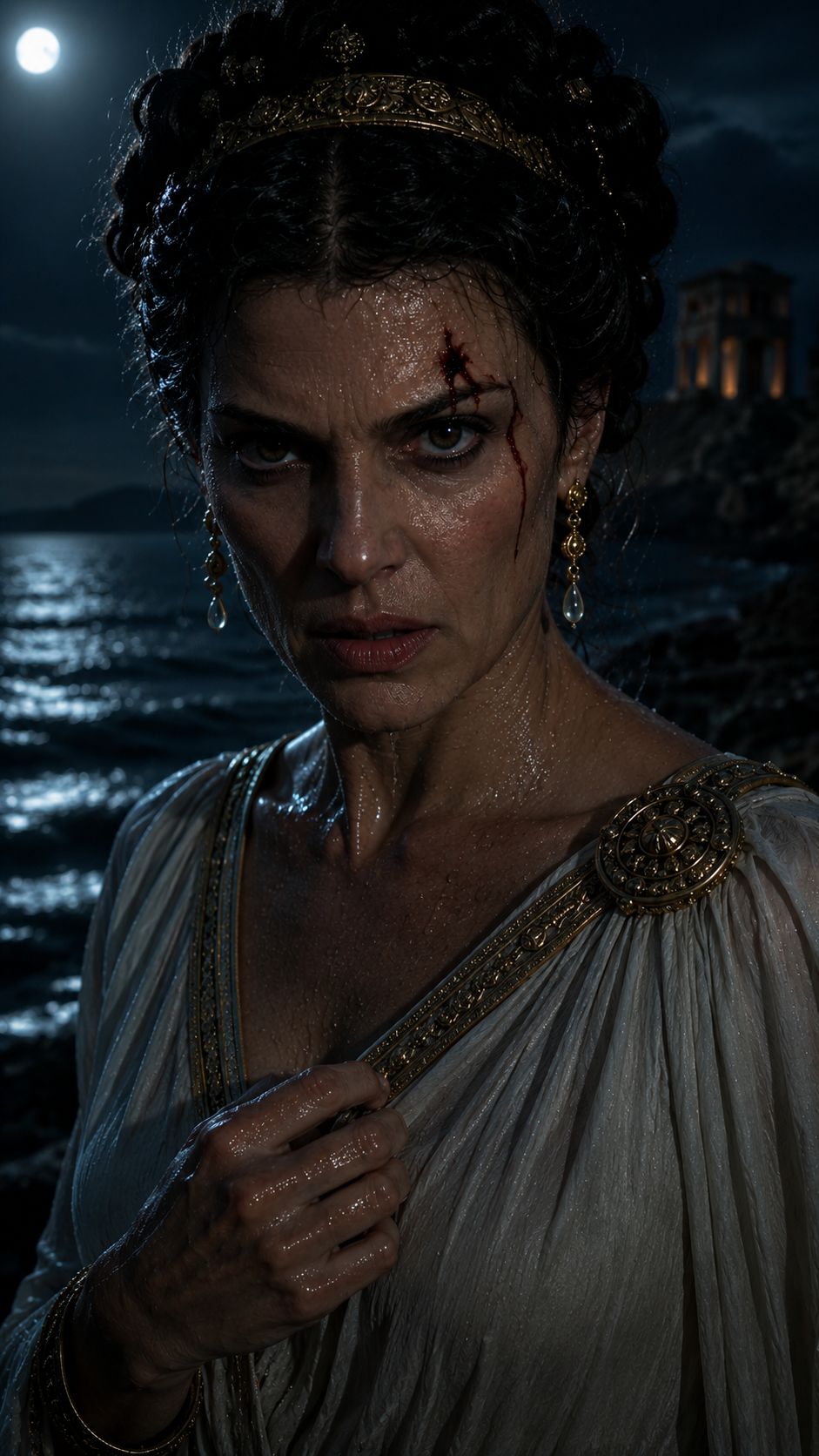
Joanna I of Naples was accused of her husband's murder in 1345 and cleared by the Pope. In 1382 she was killed in a castle in Basilicata on the orders of her adopted heir. How is unrecorded.

Evidence: moderate · Sourced: two or more sources, at least one beyond Wikipedia.

Joanna I was one of the few women of her age to rule a major kingdom in her own right. She is remembered through two deaths: her husband’s in 1345, and her own in 1382.

The Horror

Joanna was born in Naples in December 1325, though some researchers propose 1326 to early 1328. Her grandfather, King Robert, named her sole heir, and she took the throne when he died on January 20, 1343. She had been married as a child to her cousin Andrew of Hungary, whose family expected him to rule.

At Aversa, on the night of September 18-19, 1345, Andrew left his room and was set on by conspirators. A servant barred the door behind him. He fought and cried out, was strangled with a cord and was thrown from a window. He was seventeen. Joanna was in the bed. Her involvement has never been proven, and historians remain divided over whether she knew, ordered it, or was a scapegoat. Whether the cord was silk and gold, as often told, is unconfirmed.

Andrew’s brother Louis of Hungary invaded, and Joanna fled to Provence in January 1348. At Avignon she met Pope Clement VI and was cleared of involvement. That year the Pope bought Avignon from her. Whether the clearing and the sale were linked is a matter of dispute, not record. She married four times, to Andrew, Louis of Taranto, James IV of Majorca and Otto of Brunswick-Grubenhagen.

Her end came from her family. Charles of Durazzo invaded in 1380 and took Naples in July 1381. She surrendered in August and was imprisoned. She died at Muro Lucano on July 27, 1382, aged 56. No eyewitness account survives. Sources variously describe strangling with a silk cord, or smothering between feather mattresses or with pillows. The method is unconfirmed. The murder was on the orders of Charles.

The Modern Relic

The castle at Muro Lucano, in the province of Potenza, was later held by the Orsini family and was repaired after earthquakes in 1694 and 1980. Whether it can be visited is unconfirmed. Joanna had been excommunicated by Urban VI and could not have consecrated burial. Her body was displayed publicly and then thrown into a well in the grounds of the church of Santa Chiara in Naples, so “burial” is not the right word.
Sources
  • Wikipedia, 'Joanna I of Naples' — born in December 1325 with later dates proposed; named heir by King Robert, who died January 20, 1343; Andrew strangled and thrown from a window at Aversa on September 18-19, 1345 with historians divided over her part; flight to Provence in January 1348; the meeting with Pope Clement VI at Avignon and her clearing; the sale of Avignon for 80,000 florins; four husbands; Charles of Durazzo taking Naples in July 1381; death at Muro Lucano on July 27, 1382, with no eyewitness account and the method given as strangling with a silk cord or smothering; excommunication by Urban VI; the body displayed and thrown into a well at Santa Chiara
  • Wikipedia, 'Andrew, Duke of Calabria' — the killing at Aversa, with a servant barring the door while Joanna was in the bed, Andrew's struggle, strangling with a cord and the throwing from a window; his age as 17; Joanna's involvement never proven and her acquittal in two trials; the Hungarian invasions by his brother Louis
  • Wikipedia, 'Muro Lucano' — Joan I murdered at the castle on the orders of Charles III; the Orsini holding the castle; earthquake repairs in 1694 and 1980. The page does not say whether the castle is open to visitors
  • Wikipedia, 'Avignon' — Pope Clement VI buying the town from Joanna I in 1348

Nearby on the Dark Atlas

  • Rome's Largest Army Destroyed In A Day

    Rome's biggest army ever raised marched to crush Hannibal at Cannae, and dawn broke over one of history's worst battlefield massacres.

  • The Naturalist Who Sailed Toward Vesuvius

    As Vesuvius erupted, the Roman fleet commander sailed straight toward the disaster to study it, and it killed him for his curiosity.

  • The Boathouses of Herculaneum

    Three hundred people sheltered from Vesuvius in stone boathouses, and superheated gas killed them all in an instant.

  • The Disturbing Original Sleeping Beauty

    Long before Disney's kiss, the sleeping princess was the victim of assault, not the recipient of romance.

All stories near Basilicata →

← Back to the archive