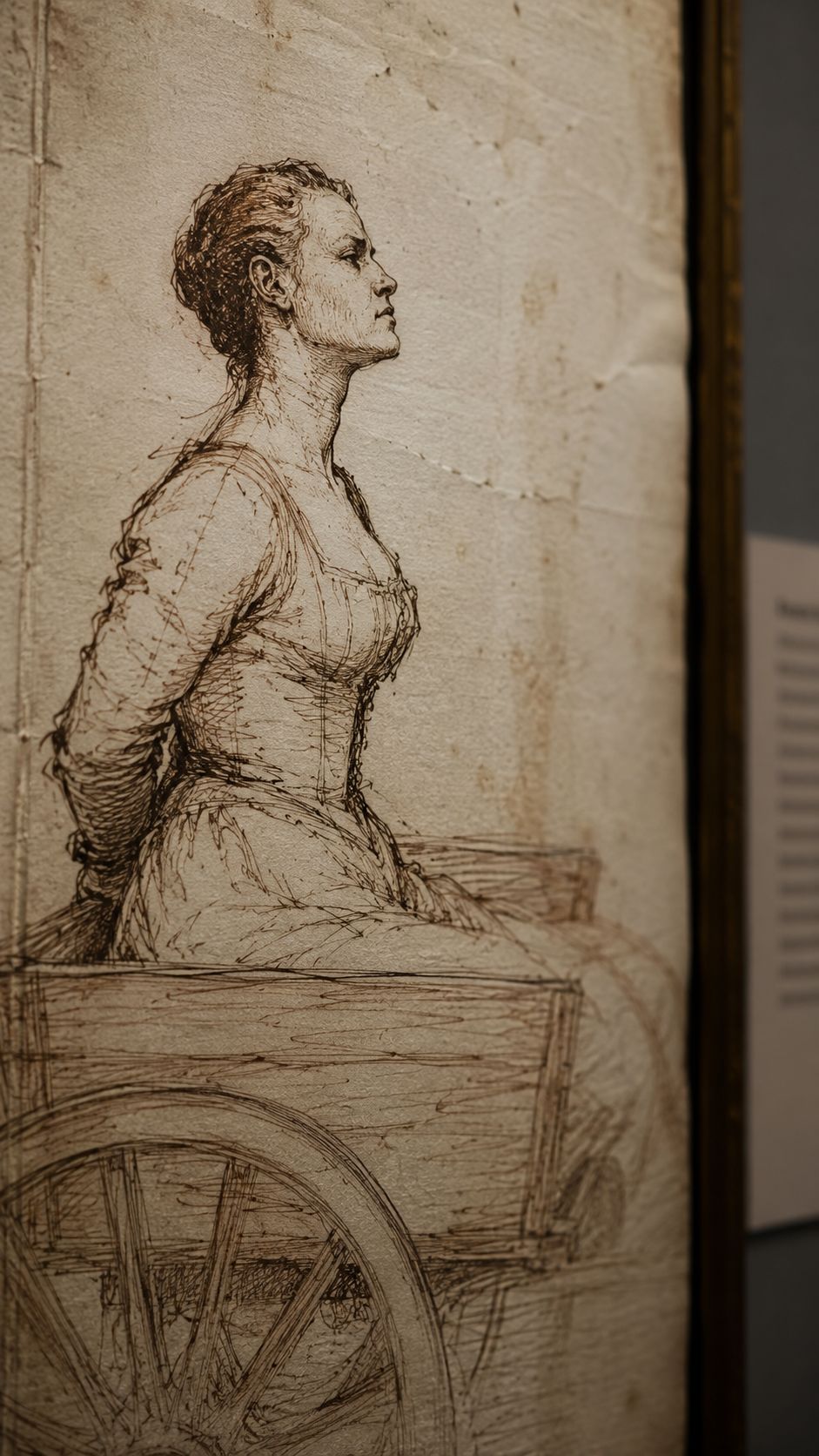
For years Rodrigo Calderón was the face of everything Madrid believed was rotten about the court of Philip III. He was born in Antwerp in 1576, the son of a soldier of the Spanish Netherlands, and in 1598 he became secretary to the Duke of Lerma, the king’s all-powerful favourite. Where Lerma went, Calderón followed, and with him came the titles: Count of Oliva, Marquis of Siete Iglesias, a place in the royal chamber. The public assumed that his fortune had been squeezed out of the state and out of anyone who stood in his way. By the time Lerma fell in 1618, Calderón had no friends left to speak for him.
The Horror
When Lerma was pushed from power in 1618, partly by his own son, the Duke of Uceda, the man who had sheltered Calderón could no longer do so. The date of the arrest is where the sources part company. One page on Wikipedia gives January 1621. A Spanish source places it on the night of February 20, 1619, at his palace in Valladolid, followed by imprisonment at Montánchez castle and then in Madrid. That earlier date fits the “long trial of 1619” described by a Spanish publisher and a later report of torture in January 1620, so the January 1621 date looks wrong. The case therefore dragged on for roughly two years, not one.
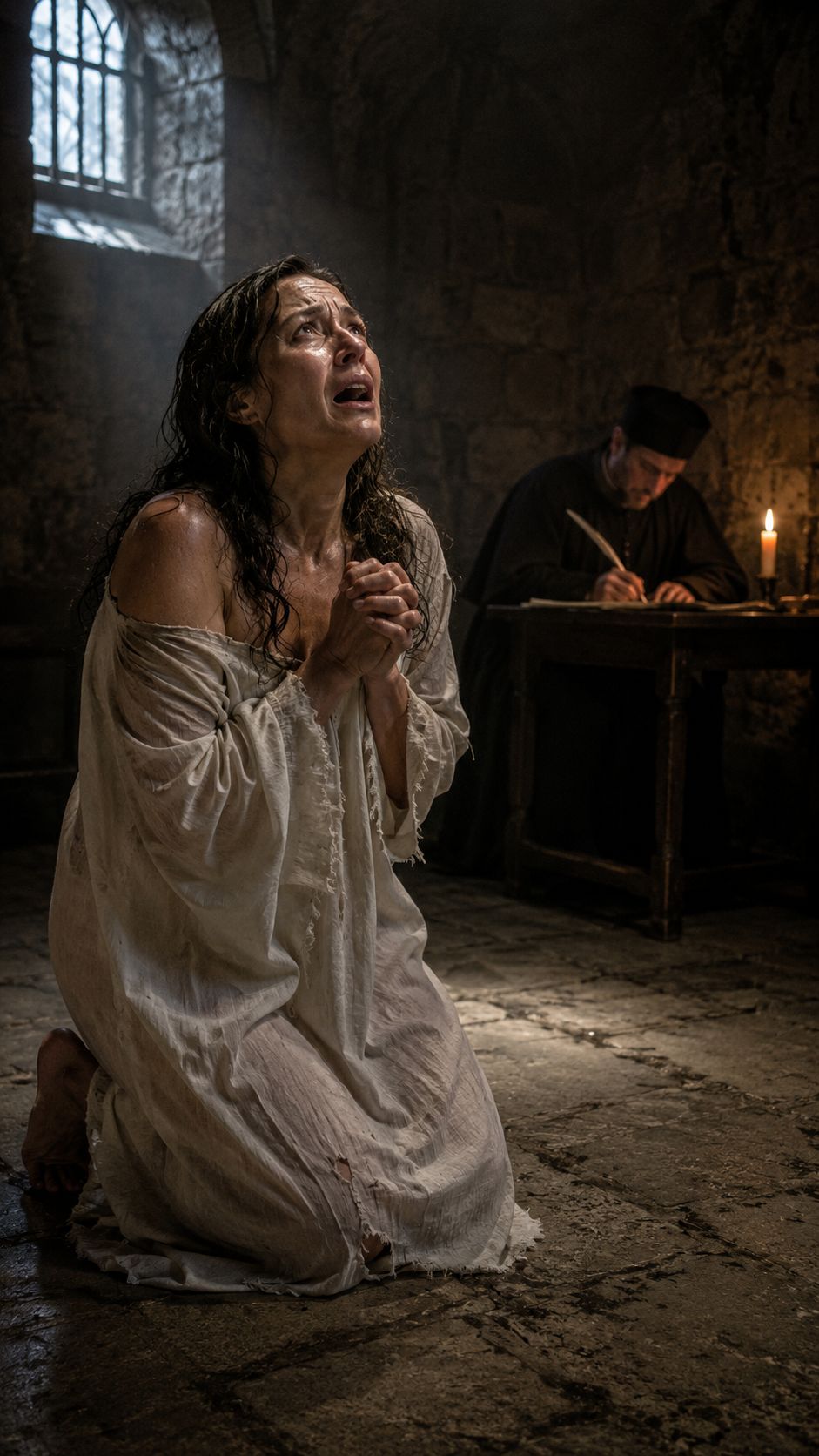
The charges were a mixture of the political and the lurid. There was corruption, and there was witchcraft. When Queen Margaret of Austria died in childbirth in October 1611, rumour held that Calderón had bewitched her. The accusation was never proved, and he denied it. Under torture he is said to have confessed to one killing, that of a soldier named Francisco de Juaras in 1614, whom he described as a pander. A confession obtained that way proves little, though the sources lean towards thinking he was involved. He denied everything else.
He appears to have held on to some hope of a pardon until March 1621, when the bells tolled for Philip III. One old reference work reports his reaction as “He is dead, and I too am dead”. It is a single, hedged source, and the line is given as reported, not as verified. Ordering his execution was among the first acts of the new reign of Philip IV, and the sentence was carried out in the Plaza Mayor of Madrid on October 21, 1621.
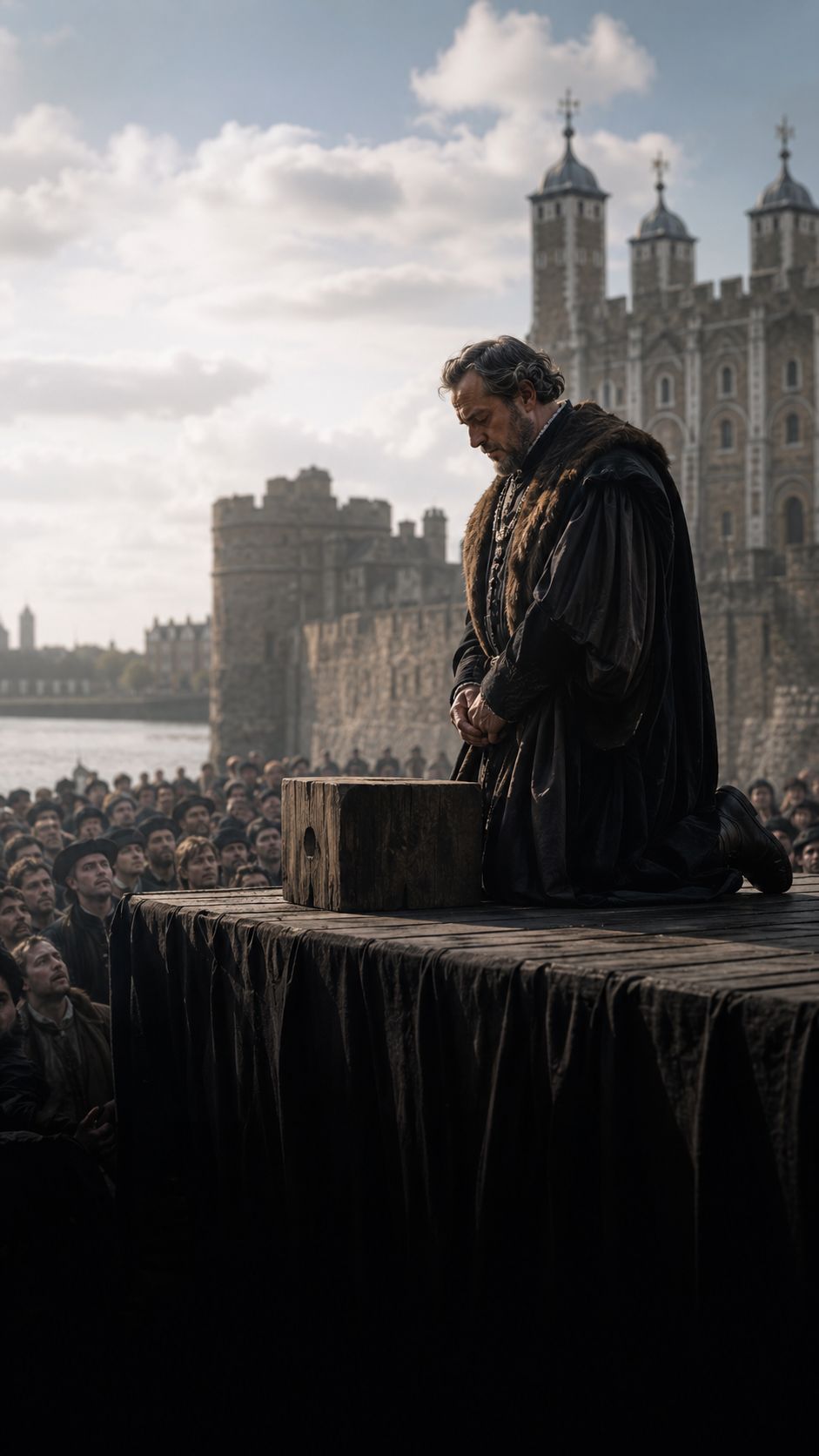
Here the record is thin, and some of the best-known detail cannot be confirmed from the available sources. The sources agree that it was a public beheading, which was the death reserved for a man of rank, in place of the hanging a commoner would have had. They agree that the occasion was enormous: a contemporary, Andrés de Almansa y Mendoza, called it “the most famous day this century has seen”. The only traceable account of his bearing says that he met his death firmly and with a show of piety, and that his composure, together with his broken and prematurely aged appearance, turned public feeling in his favour. His wife’s devotion is also said to have softened the hatred he had aroused.
Popular retellings add a good deal more: a black-draped scaffold, a vast crowd, a hundred thousand witnesses. None of these is supported by a source consulted, so they are left out. Whatever the numbers, the central claim is well enough attested. A man who had been hated for years was, at the end, admired for how he died.
A cult followed, according to Wikipedia: people competed for relics, scraps of cloth stained with his blood. That is the hunger of a crowd that had watched an enemy become something close to a martyr.
The Proverb, and Where It Is Shaky
The story’s afterlife is a Spanish saying, “tener más orgullo que don Rodrigo en la horca”, more pride than Don Rodrigo on the gallows. It is used of someone who carries himself with haughty dignity, and it is traditionally linked to Calderón’s last moments. That origin is repeated by modern Spanish writers, but no contemporary source ties the phrase to him, so it should be read as tradition. The saying has a built-in puzzle, noted by two of the sources: Calderón was beheaded, not hanged. Why the proverb says “horca” is not explained in any source. Some English-language retellings also say he was hanged, which conflicts with the Spanish accounts that stress the beheading.
The Modern Relic
The Plaza Mayor is still there, enclosed by its tall uniform façades and ringed by cafés. It was built as a stage for royal proclamations, festivals and executions, and it is now one of the busiest tourist squares in Europe. Nothing in it marks Calderón; the scaffold is long gone, and no confirmed plaque commemorates him.
His body is said to lie elsewhere. A Spanish source places his tomb, beside that of his wife Inés de Vargas, in the Porta Coeli convent in Valladolid, a house of Dominican nuns. Another says his mummy is preserved there and is known locally as “las Calderonas”, though that name suggests it may refer to the family and not to him alone, and the point is unsettled. Of the man himself, the proverb is the plainest relic. It outlived the regime that destroyed him, and it keeps his name in use among people who have forgotten who he was.