Latest stories

Saint Vincent of Saragossa: The Deacon the Ravens Guarded

Around 304 a deacon refused to give up the Church's books at Valencia and was tortured to death. Legend says ravens guarded his body, and two ravens still sit on Lisbon's coat of arms.

Evidence: thin · Lightly sourced: one or two sources, mostly Wikipedia.

Vincent was a deacon, not a general or a king. Around the year 304, under the Roman governor Dacian at Valencia, he was tortured and died. Most of what is told about the manner of it comes from texts written long afterwards, so this account separates what the sources can carry from the legend.

The Horror

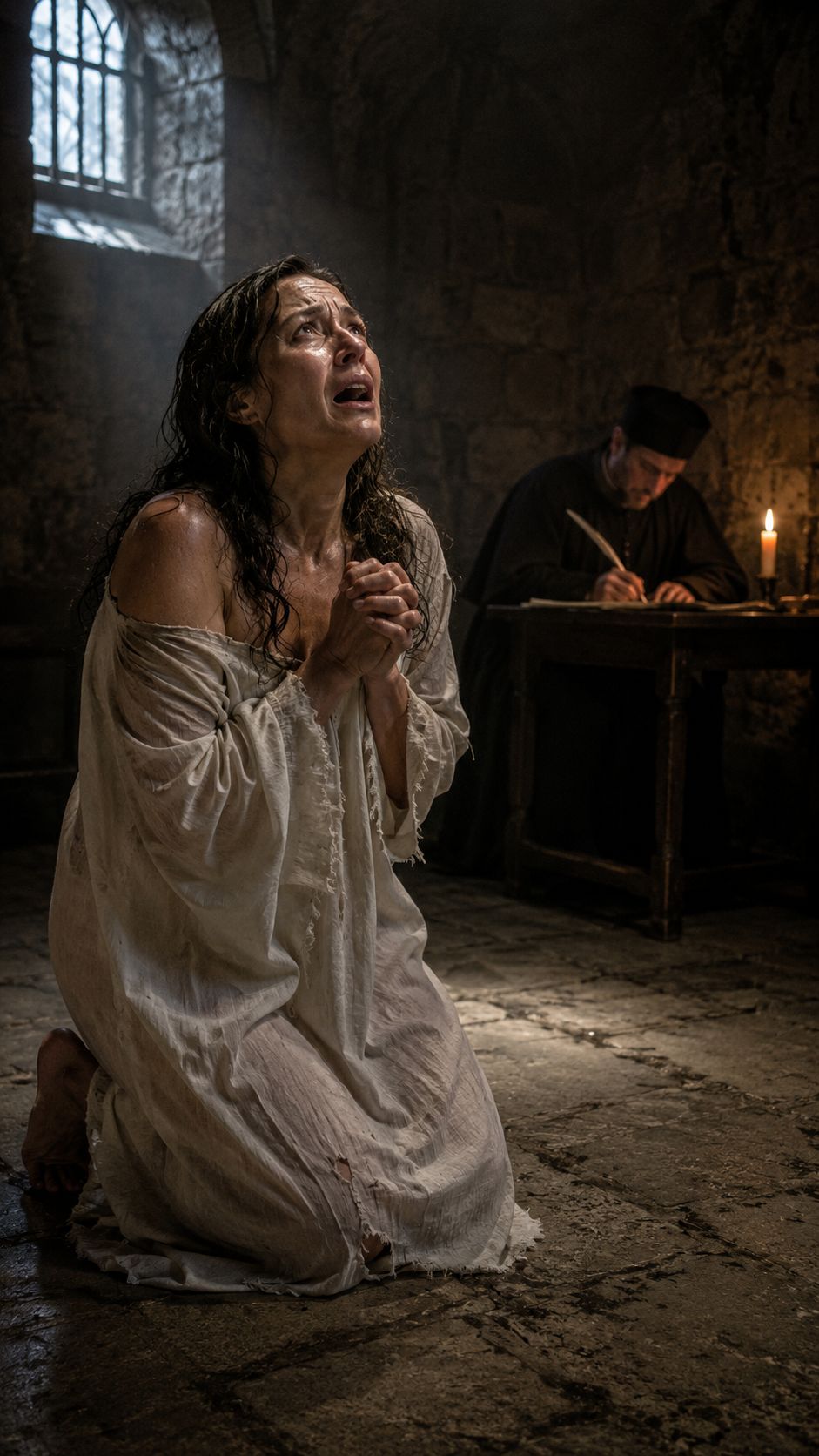
Vincent was born at Osca, now Huesca, and became deacon to Bishop Valerius of Saragossa. Valerius had a speech impediment, so Vincent spoke for him. During the persecution under Diocletian, both men were brought before the governor Dacian at Valencia. Valerius was sent into exile. Vincent was kept and, according to the tradition, put to death around 304.

The earliest account is a poem by Prudentius, the Peristephanon. Later hagiographies, themselves based on a lost fifth-century Passion, add detail. Scholars regard the later Acts as freely coloured by their compilers’ imagination. The sources describe Vincent stretched on the rack, torn with iron hooks, rubbed with salt and burned on a gridiron. The gridiron may have been borrowed from the martyrdom of Lawrence, another saint from Huesca. In the traditional account he died in prison, and his jailer was converted. The specific details of the torture should be treated as hagiography, not as documented fact.

The Legend

The best-known part of the story is what followed. Dacian is said to have had the body thrown into the sea in a sack so that Christians could not honour it. It was recovered, and ravens are said to have kept vultures and wild animals away from it. Modern accounts present the ravens, the gridiron and the sea burial as legendary or hagiographic elements. The poem and the lost Passion are the earliest textual basis, and the detail of the birds is not in them as far as the sources show.

The Modern Relic

A shrine is said to have been built at Cape St Vincent, the south-western tip of Portugal, where the body was taken. The Arab geographer al-Idrisi called the place the “Church of the Raven”. In 1173 King Afonso I of Portugal had the relics exhumed and shipped to Lisbon. Tradition says ravens accompanied the ship, and the transfer is shown on the city’s coat of arms.

At Cape St Vincent today, a 24-metre lighthouse, built in 1846 over the ruins of a 16th-century Franciscan convent, marks the headland. Valencia Cathedral displays Vincent’s left arm. His feast day is 22 January.
Still there todayCape St Vincent (Cabo de São Vicente), the south-western tip of Portugal, where a lighthouse built in 1846 stands on the ruins of a 16th-century Franciscan convent. Valencia Cathedral displays Vincent's left arm as a relic. The two ravens appear on Lisbon's coat of arms. See it on the Dark Atlas →
Sources
  • Wikipedia, 'Vincent of Saragossa' — born at Osca (Huesca), died c. 304 at Valencia; feast day 22 January; the governor Dacian; Bishop Valerius, whom Vincent spoke for because of a speech impediment, and who was exiled; the earliest account in Prudentius's Peristephanon, with later embellished hagiographies drawn from a lost fifth-century Passion; the rack, iron hooks, salt and gridiron, with the gridiron suggested to be borrowed from Lawrence's martyrdom; his death in prison and the jailer's conversion; the body thrown into the sea in a sack and recovered, and the ravens guarding it, presented as legendary; the shrine at Cape St Vincent, called the 'Church of the Raven' by al-Idrisi; the 1173 translation to Lisbon by Afonso I; the left arm displayed at Valencia Cathedral
  • Wikipedia, 'Cape St. Vincent' — the headland in the Algarve at about 37°1′30″N 8°59′40″W, the south-western point of mainland Europe; the legend that the body washed ashore and a shrine was built over the grave; the 1173 exhumation and shipment to Lisbon, still accompanied by ravens, shown on Lisbon's coat of arms; the 1846 lighthouse built over the ruins of a 16th-century Franciscan convent

Nearby on the Dark Atlas

  • The Warlord Whose Dead Body Never Rode Out of Valencia

    El Cid took Valencia in 1094 and died there on July 10, 1099. The tale of his corpse riding out to rout the enemy is legend, and the city was abandoned in 1102.

  • The Favourite Madrid Hated Until He Died

    Rodrigo Calderón, Marquis of Siete Iglesias, was the most loathed man in Spain. On October 21, 1621 he was beheaded in the Plaza Mayor, and the crowd that came to jeer is said to have turned.

  • The Woman Condemned For Clean Clothes

    Not eating pork and washing on Saturdays was enough for the Spanish Inquisition to put her to the rack.

  • The Cagots: The Untouchables of the Pyrenees

    For centuries they entered church by a low side door, took communion from a spoon, and wore a red goose foot. Nobody has ever proved what they were supposed to have done.

All stories near Valencian Community →

← Back to the archive