Most people in Britain know the Babes in the Wood as a Christmas pantomime. Its origin is a good deal colder: a ballad about two children murdered, or abandoned to die, by their uncle for their inheritance.
The Horror
The earliest known form is a broadside ballad, the cheap printed verse sold and sung in the streets. It was published at Norwich in 1595 by Thomas Millington, and its anonymous author is not known.
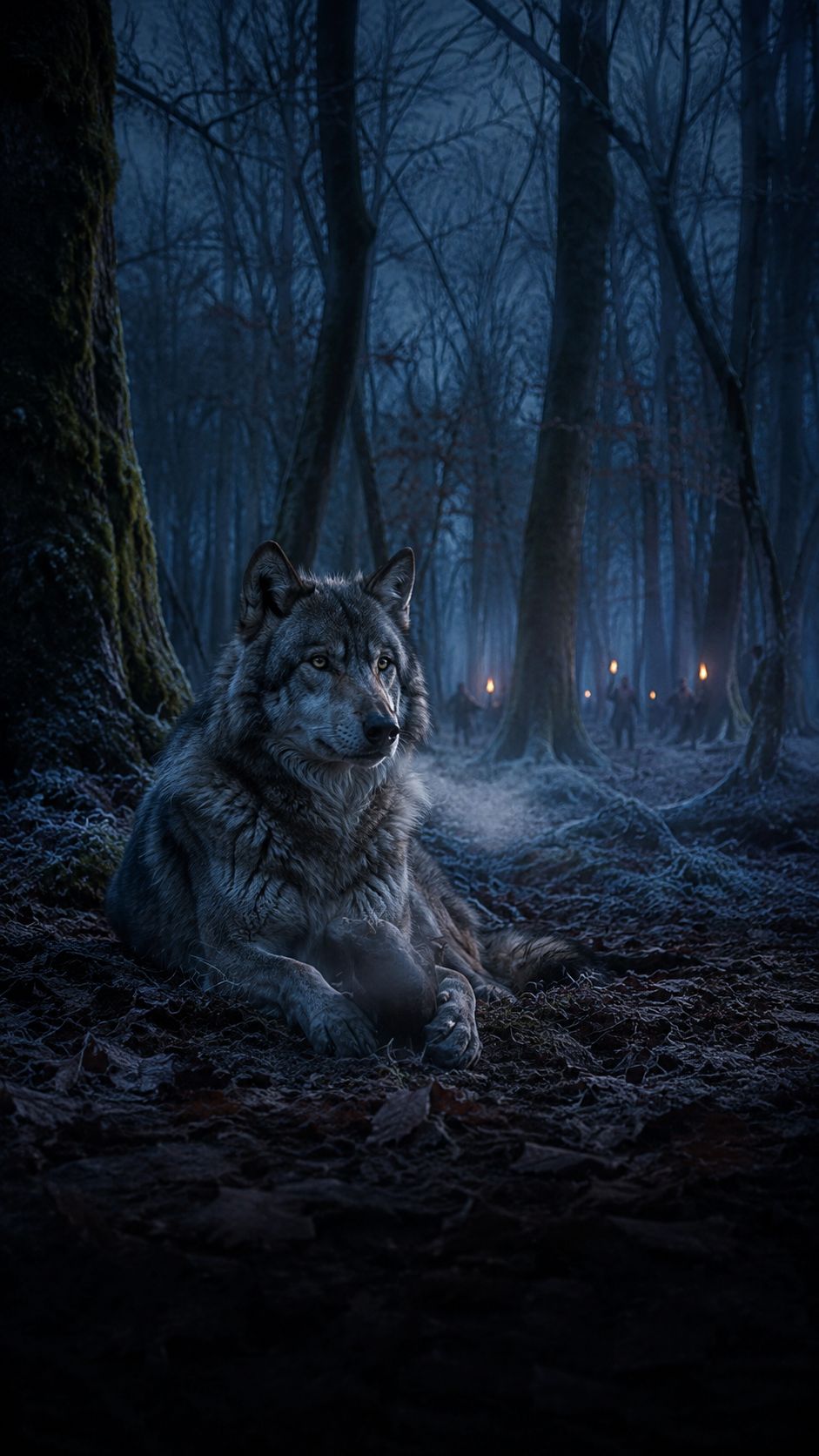
The ballad tells a simple story. Two young children are left in the care of an uncle after their parents die. The uncle hires ruffians to kill them in a wood, so that he can take the inheritance. The men take the children away, and there one of the hired killers turns on the other and kills him. The children are left in the wood. They wander, and they die there. In the image everyone remembers, the robins cover their bodies with leaves.
The Norfolk legend is a different shape of the same story. It places the events at Wayland Wood, near Watton, and says the uncle lived at nearby Griston Hall. In this version the hired men abandon the children, rather than kill them. A local-history retelling gives the children names, Jane and Thomas, children of Edmund de Grey, and the uncle the name Robert. It says the prize was Griston Hall. These names and this setting are folklore. No record of any such murder has been found. The ghosts of the children are said to haunt the wood.
The claim to historical truth is thin. A note in Barham’s Ingoldsby Legends says the true history is, or ought to be, in Bloomfield’s History of Norfolk, but the Wayland section of that work does not mention it. A different version in Lancashire ties the tale to 1374, to a man named Robert de Holland who seized the land of Roger de Langley, with the children said to have been rescued by John of Gaunt. That is another local claim, and it is no better supported. Whether any real crime lies behind the ballad is unconfirmed.
The story softened over time. Randolph Caldecott published an illustrated book of it in 1879, and the pantomime versions that followed commonly combine it with Robin Hood and Maid Marian, who put the children right.
The Modern Relic
Wayland Wood is real and can be looked at. It is a Site of Special Scientific Interest of about 32 hectares, about a kilometre south of Watton on the road to Thetford, managed by Norfolk Wildlife Trust. It is a remnant of a larger wood, with oak, ash, hazel and bird cherry. Locally it has long been called the “Wailing Wood”. An explanation that the name comes from an Old Norse word meaning a sacred grove is offered in a local history, and it is unconfirmed.
A great oak said to be the tree where the children were left was struck by lightning in 1879, and people came from across Norfolk to cut off souvenirs. That tradition is legend, though the lightning strike is reported. The sign of Watton town shows the two children. Whether the wood can be entered freely is unconfirmed, and it is worth checking with the Trust before a visit.