Latest stories

The Macaroni Parson Hanged at Tyburn

In June 1777 Dr William Dodd, the fashionable preacher, was hanged for forging a bond. 23,000 people signed for his pardon and Samuel Johnson wrote for him in secret. Friends tried to revive him.

Evidence: strong · Well sourced: three or more sources, including an archive, museum, university or reference work.

For a few years in the 1760s and 1770s one of the best-known preachers in London was a clergyman who dressed well, spent freely and moved among the court. William Dodd ended on the gallows at Tyburn, and the public that had admired him spent his last weeks trying to save him.

The Horror

Dodd was born at Bourne in Lincolnshire in 1729, the son of the local vicar, and studied at Cambridge. In 1752 he published The Beauties of Shakespeare, which brought him fame. He was ordained, became a popular preacher, and in 1758 took the post of chaplain to the Magdalen Hospital, a charity for penitent prostitutes. In 1763 he was made chaplain in ordinary to the King. He lived extravagantly and was nicknamed the “Macaroni Parson”, a macaroni being a London fop.

The money ran out. In 1774 he tried to bribe Lady Apsley to obtain the rectorship of St George’s, Hanover Square. He was dismissed from his posts and went to France. When he returned, in February 1777, he forged a bond for £4,200 in the name of his former pupil, the Earl of Chesterfield, to clear his debts. A banker noticed a small blot on the document and had it rewritten. When the clean copy was put in front of the Earl to sign, the forgery came out. Dodd confessed at once and was held in the Wood Street Compter. Forgery was a capital crime.

What followed became a public campaign. A petition of 37 pages, carrying about 23,000 signatures, asked for mercy. Samuel Johnson was among those who supported him, and he wrote several papers in Dodd’s defence. He also wrote, in large part, the sermon “The Convict’s Address to his unhappy Brethren”, which Dodd presented as his own. When people suspected that Johnson was the author, he is reported to have made his well-known remark that the prospect of being hanged concentrates a man’s mind. The petition failed.

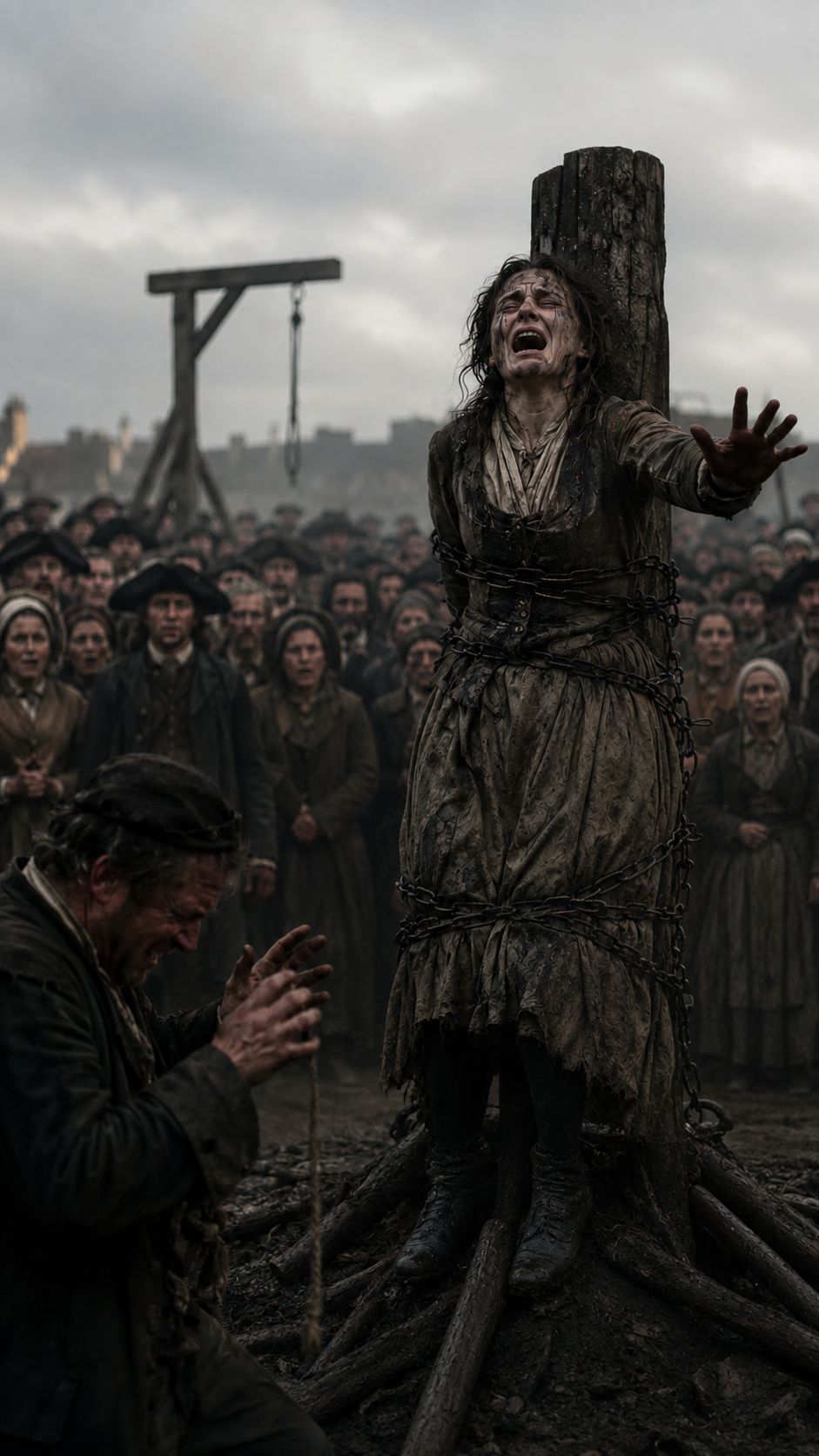
Dodd was hanged at Tyburn on June 27, 1777, aged 48, beside a youth who had stolen thirty shillings. Lincolnshire Life says the crowds delayed the journey by three hours, and that attempts to revive him in a hot bath failed. Executed Today, citing Wendy Moore, also records a resuscitation attempt, with no more detail. Beyond the fact of the attempt, the circumstances are unconfirmed.

The Modern Relic

Executed Today calls Dodd the last person hanged at Tyburn for forgery. That claim is unconfirmed. It is also often said that his case helped turn opinion against the number of offences carrying the death penalty. That is unconfirmed too, and it is an interpretation, not a record.

The one object that can be seen is a bronze bust of Dodd on a marble pedestal in the Library-Dining Room at Sir John Soane’s Museum in Lincoln’s Inn Fields. The museum’s catalogue records that Soane bought it in 1825. It does not give the sculptor or the date it was made, and it does not describe the likeness.
Still there todayA bronze bust of Dr William Dodd on a marble pedestal in the Library-Dining Room at Sir John Soane's Museum, 13 Lincoln's Inn Fields. The museum's catalogue records that Soane bought it in 1825; the maker is not given. See it on the Dark Atlas →
Sources
  • Wikipedia, 'William Dodd (priest)' — born 29 May 1729 at Bourne, Lincolnshire; ordained 1751 and 1753; chaplain in ordinary to the King in 1763; rector of Hockliffe in 1772; nicknamed the 'Macaroni Parson'; the £4,200 bond forged in February 1777 in the name of his former pupil the Earl of Chesterfield; the banker's blot and the discovery; his confession and imprisonment in the Wood Street Compter; Samuel Johnson's papers and 'The Convict's Address to his unhappy Brethren'; the 37-page petition of about 23,000 signatures; hanged at Tyburn on 27 June 1777 aged 48
  • Lincolnshire Life, 'The excesses of a clergyman – Revd. Dr William Dodd' — The Beauties of Shakespeare in 1752, chaplain of the Magdalen Hospital in 1758, the attempt in 1774 to bribe Lady Apsley over the rectorship of St George's, Hanover Square, the dismissal and flight to France, hanged beside a youth who had stolen 30 shillings, crowds delaying the journey by three hours, and the failed attempt at revival in a hot bath. A single regional magazine for the last two details
  • Executed Today, 'Dr William Dodd' — hanged at Tyburn on 27 June 1777, a long interval between sentence and execution, Samuel Johnson among thousands petitioning for mercy, Johnson ghost-writing 'The Convict's Address to his unhappy Brethren', Johnson's well-known remark that the prospect of hanging concentrates the mind, a later update citing Wendy Moore for a resuscitation attempt, and Dodd called the last person hanged at Tyburn for forgery
  • Sir John Soane's Museum, collections catalogue, object L77 — the bronze bust of Dr Dodd on a marble pedestal, the purchase in 1825, and its place in the Library-Dining Room at 13 Lincoln's Inn Fields

Nearby on the Dark Atlas

  • Saint John Southworth, the Martyr You Can Still Stand Beside

    A Lancashire priest tended plague victims in Westminster, was hanged, drawn and quartered at Tyburn in 1654, lost for over a century in a French grave, and now lies in Westminster Cathedral.

  • Betrayed by a Farmer's Grudge

    The man who helped condemn Anne Boleyn was destroyed years later by a tenant's accusation and a single well-placed word.

  • The Cheerful Walk to Tyburn

    Watching from his cell, Thomas More saw five monks dragged to Tyburn cheerful as bridegrooms, knowing he would follow.

  • The Killing Ground Beside Marble Arch

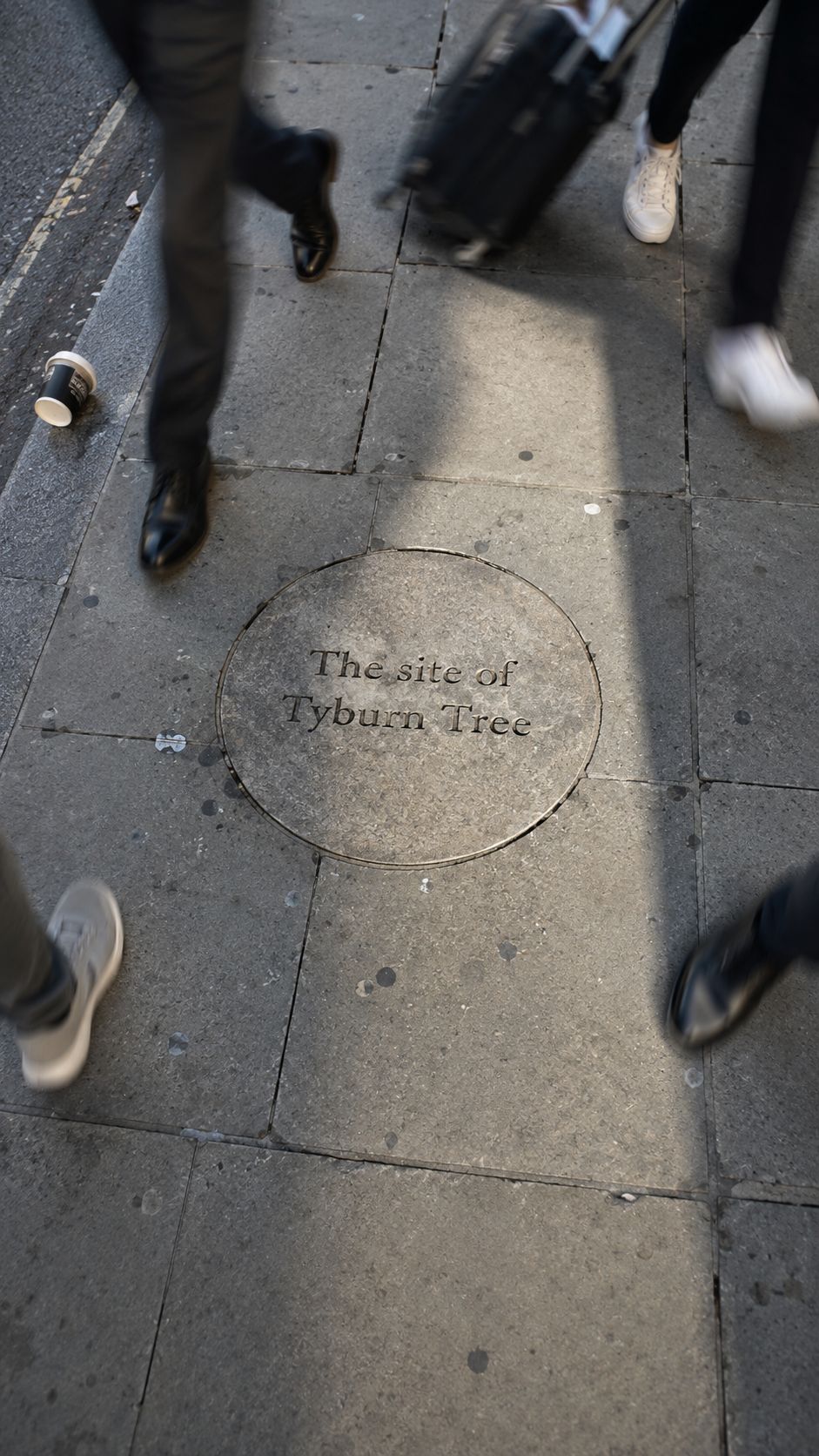
    For nearly 600 years a triangular wooden gallows on a London traffic island hanged tens of thousands, and almost nobody notices the plaque today.

All stories near London →

← Back to the archive