The Highland Clearances were a long process, spread over a century, and most of them left little to see. Croick is the exception. A small church at the end of a glen road carries a handful of sentences scratched into its window glass, written, in the traditional account, by families who had just been thrown out of their homes. The record of who wrote them is more uncertain than the tradition admits.
The Horror
Croick Church was built between 1825 and 1827, to a standard design by Thomas Telford, under an Act of 1823 that paid for churches in the Highlands and Islands. It was meant for about two hundred parishioners in the surrounding glens. By 1843, after the split in the Church of Scotland, the congregation of the established church at Croick had shrunk to about ten members.
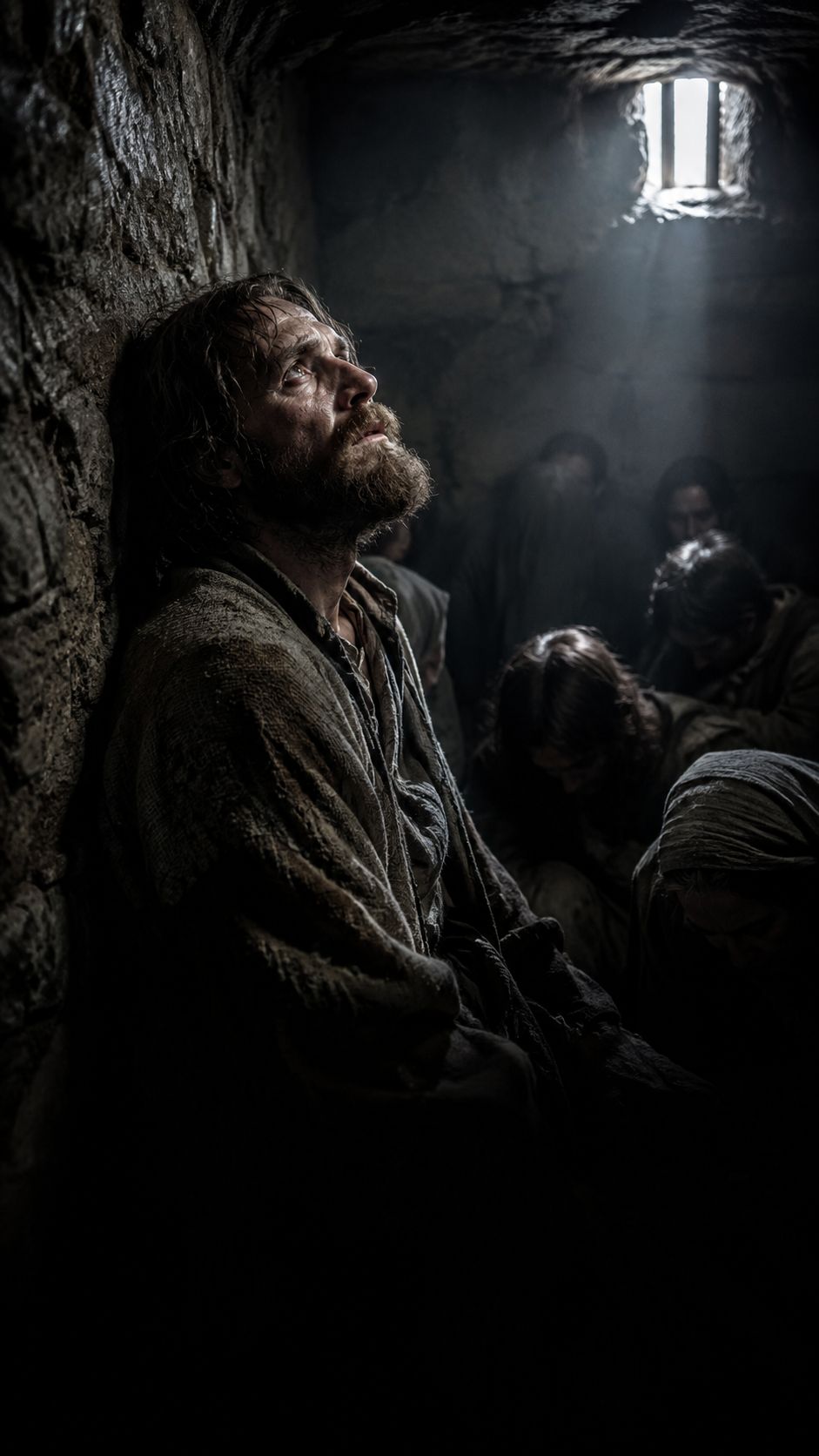
In May 1845 the families of Glen Calvie, to the south, were evicted. The land was wanted for sheep, which is how most Clearances were justified. About eighty people, with what they could carry, took shelter in the churchyard of Croick, in a shelter made of poles and tarpaulins. The Times published a report of their plight on 2 June 1845. The publicity, according to one account, came too late for most of those affected.
The east window of the church carries 22 short messages scratched into the diamond-shaped panes on the outside. They include “Glencalvie people was in the churchyard here May 24 1845” and, most often quoted, “Glencalvie People the wicked generation Glencalvie”. The traditional reading is that the evicted families wrote them while they camped there.
That reading has problems. The Times reporter found that the refugees spoke only Gaelic, and he could not talk to them. The messages are in English, in a neat copperplate hand. Some carry dates of 1854, 1869 and 1870, so not all the scratching belongs to 1845. No record has been found of when the writing was first noticed. It is also thought odd that people who had sheltered in the churchyard would have scratched the windows of the church itself. Who wrote the best-known lines, and when, is unconfirmed.
The Modern Relic
The window is the relic, and its meaning is argued over. The eviction and the camp in the churchyard are documented by a newspaper report of the time. The messages cannot be said with confidence to be the work of the evicted people.
Croick Church stands at the end of the public road, about ten miles along Strathcarron west of Ardgay. Ownership passed to Historic Churches Scotland in April 2025, and work has begun to make the building weathertight. The bellcote has been taken down and is displayed inside. The wooden viewing platform outside the east window and some of the churchyard trees have gone, which makes the messages harder to see than they were. Opening arrangements are unconfirmed.